
Diseases and Conditions

Napping Hints for Babies, Newborn to One Year
Establishing a consistent nap routine for babies from newborn to one year old is crucial for their development and well-being. During the first year, a baby's sleep patterns undergo significant changes, and understanding these changes can help parents create a nurturing nap schedule. Newborns typically sleep a lot, but their sleep is fragmented, requiring naps throughout the day and night. As they grow, the number of naps decreases, but the length and depth of sleep improve. Parents can foster healthy sleep habits by paying attention to their baby's sleep cues, maintaining a calm sleep environment, and ensuring that nap times are aligned with the baby's natural sleep-wake cycle. Encouraging a regular sleep routine helps babies feel secure and can reduce sleep-related disruptions.
Read more
0 reading now

Understanding Invisible Illnesses: Challenges and Support
Invisible illnesses impact millions, yet their symptoms often go unseen, leading to profound challenges for those affected. Learn about these hidden conditions and how to navigate them effectively. Invisible illnesses, a broad category of conditions, are characterized by symptoms that are not immediately apparent to an external observer, yet they can severely impair a person's quality of life. Unlike visible injuries or diseases, the suffering associated with conditions like fibromyalgia, chronic fatigue syndrome, autoimmune disorders, and various mental health conditions often goes unrecognized or misunderstood. This lack of visible evidence can lead to a unique set of difficulties, including a prolonged diagnostic odyssey, skepticism from others, and significant social stigma. For individuals living with these conditions, the constant effort to manage symptoms while appearing 'fine' to the world can be emotionally and physically exhausting. Patient advocacy and awareness campaigns are crucial in fostering a more empathetic and informed society, helping to shed light on the realities of living with an illness that cannot be seen, but is deeply felt. The experience often involves a complex interplay of physical pain, mental health struggles, and the persistent challenge of validating one's own suffering in a world that often prioritizes visible evidence.
Read more
0 reading now

Unmasking Deceptive Illnesses: Understanding Diseases That Deceive
Explore diseases that deceive, mimicking other conditions, delaying diagnosis, and complicating treatment. Learn about these master impersonators in the medical world. The human body is an intricate system, and sometimes, its signals can be profoundly misleading. Certain medical conditions, often referred to as 'diseases that deceive,' pose significant challenges to both patients and healthcare professionals due to their uncanny ability to mimic the symptoms of more common or less serious ailments. This inherent diagnostic mimicry can lead to prolonged suffering, misdiagnosis, and substantial delays in receiving appropriate care. From the onset of vague, generalized discomfort to the manifestation of highly specific but misleading signs, these deceptive illnesses present a complex puzzle, often sending patients on a frustrating journey through multiple specialists and various tests before a correct identification is made. The stakes are incredibly high, as the window for effective intervention can narrow with each passing month or year of diagnostic uncertainty. Understanding the nature of these confounding conditions, their varied presentations, and the profound impact of their 'impersonation' is crucial for fostering greater awareness, improving diagnostic accuracy, and ultimately, enhancing patient outcomes. We delve into how these elusive health problems hide in plain sight, challenging conventional medical wisdom and demanding a more nuanced, holistic approach to diagnosis and treatment. The journey to uncover the true nature of a deceptive disease often feels like navigating a dense fog, where every turn presents a new, potentially misleading landscape of symptoms, making accurate identification a truly monumental task for even the most experienced clinicians. The frustration for patients enduring chronic, unexplained symptoms, often dismissed as psychological, is immense, highlighting the critical need for a deeper understanding of these medical enigmas.
Read more
0 reading now

Unraveling Medical Mysteries: Diagnostic Challenges & Rare Conditions
Explore the fascinating world of medical mysteries, from perplexing symptoms to rare diseases, and the ongoing quest for answers in healthcare. The human body is an incredibly complex system, and sometimes, even with the most advanced medical science, it presents bewildering puzzles that defy immediate understanding. These unexplained symptoms and diagnostic challenges represent some of the most profound frontiers in medicine, pushing researchers and clinicians to innovate and rethink established paradigms. For patients, living with an undiagnosed condition can be a frustrating and isolating experience, often involving years of appointments, tests, and emotional toll. This article delves into the intricate nature of these medical enigmas, exploring why certain conditions remain elusive, the arduous journeys patients undertake, and the cutting-edge approaches being developed to shed light on these persistent unknowns. From novel pathogens to highly individualized genetic predispositions, the realm of medical mysteries continues to expand our knowledge and highlight the incredible resilience of both the human body and the medical community dedicated to understanding it. Understanding these complexities is crucial for anyone interested in the evolving landscape of health and wellness.
Read more
0 reading now
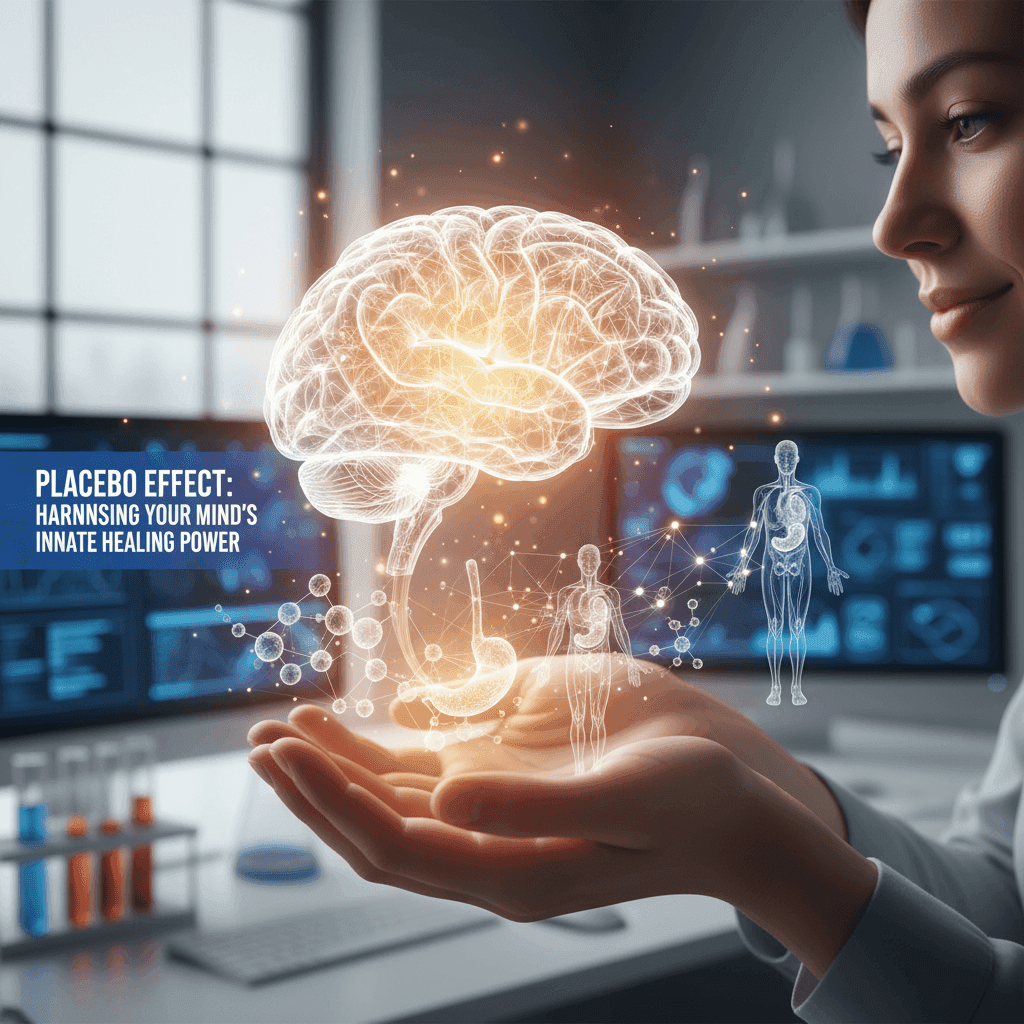
Placebo Effect: Harnessing Your Mind's Innate Healing Power
Delve deep into the intriguing world of the placebo effect, a phenomenon that continuously challenges our understanding of health, healing, and the intricate connection between mind and body. This comprehensive exploration unpacks "The Power of Placebo," moving beyond its common misconception as mere imagination to reveal its profound physiological and psychological impacts. We examine how a seemingly inert substance or a non-specific intervention can trigger measurable improvements in a patient's condition, from alleviating chronic pain and reducing symptoms of depression to even influencing the course of certain autoimmune responses. Our post delves into the neurobiological mechanisms believed to underpin this remarkable effect. We explore the role of expectation, conditioning, and the patient-practitioner relationship in activating the brain's natural pharmacies, leading to the release of endorphins, dopamine, and other powerful neurochemicals that mediate healing and well-being. Understand why the placebo effect is not just 'all in the head' but a tangible, scientifically observable process that influences everything from surgical outcomes to the efficacy of pharmaceutical trials. We also tackle the ethical implications of leveraging the placebo response in clinical practice and discuss its critical role in the design of robust medical research. Discover how understanding the placebo effect helps scientists differentiate between the specific effects of a new drug and the non-specific therapeutic factors that contribute to recovery. This insightful article will transform your perspective on medicine, self-healing, and the incredible, often underestimated, capacity of the human mind to influence physical reality. Join us as we unravel the mysteries and harness the lessons from one of medical science's most compelling paradoxes.
Read more
0 reading now
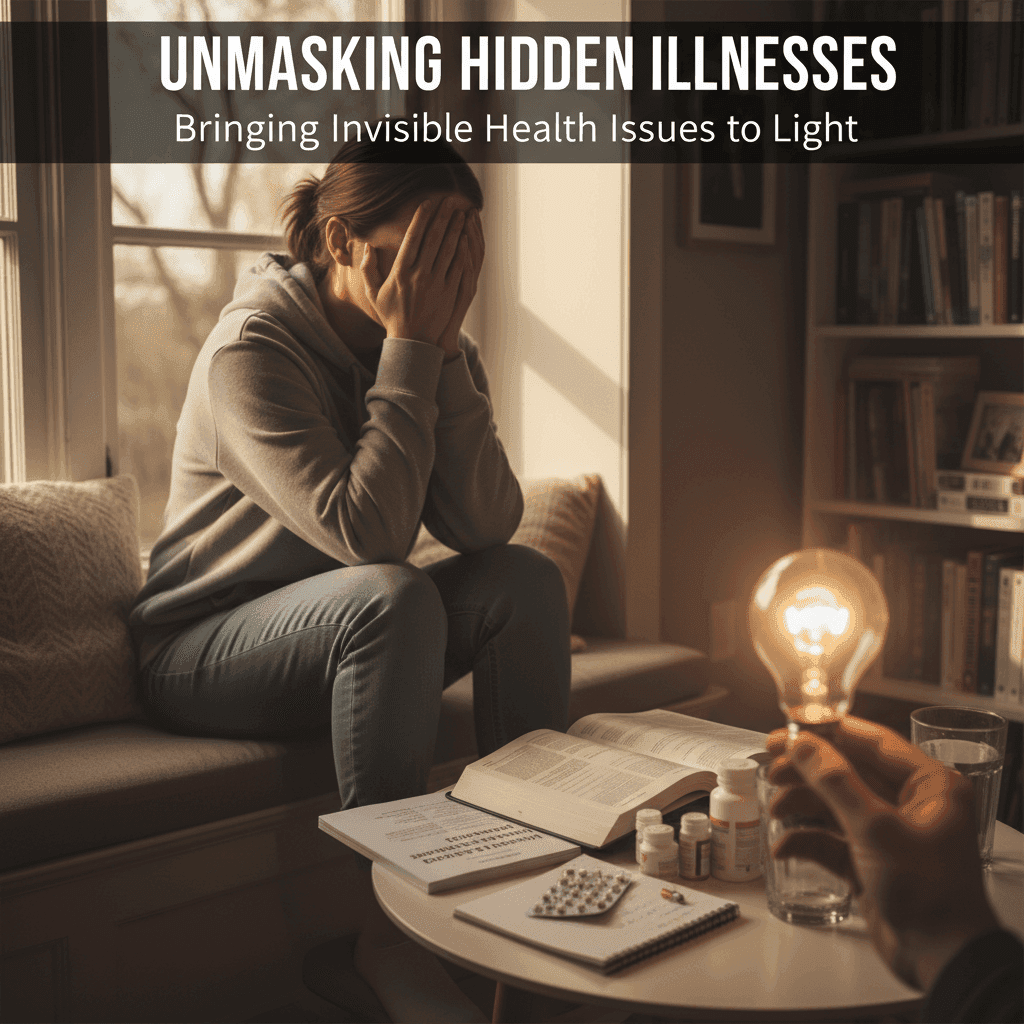
Unmasking Hidden Illnesses: Bringing Invisible Health Issues to Light
Delve into the often-invisible world of hidden illnesses, where chronic conditions lurk beneath the surface, defying easy diagnosis and understanding. This comprehensive post, "Unmasking Hidden Illnesses," shines a much-needed light on the profound challenges faced by millions living with health issues that aren't readily apparent. From autoimmune disorders like lupus and fibromyalgia to neurological conditions such as POTS or ME/CFS, we explore the intricate web of symptoms that can mimic other diseases, leading to years of frustrating misdiagnoses and a significant toll on patients' physical and mental well-being. We examine the diagnostic odyssey that many embark upon, a journey often fraught with skepticism from medical professionals and even loved ones, simply because "you don't look sick." The emotional burden of chronic pain, fatigue, and systemic dysfunction, coupled with the constant need to justify one's suffering, is immense. This piece aims to validate these experiences, offering a voice to those who feel unseen and unheard. We discuss the critical role of patient advocacy, the importance of detailed symptom tracking, and the power of finding supportive communities. Furthermore, we shed light on advancements in medical understanding and the growing push for greater awareness, ensuring that hidden illnesses receive the recognition and research funding they desperately need. This post is not just an exploration; it's a call to empathy, a guide for those seeking answers, and a beacon of hope for a future where no illness remains unmasked or misunderstood. Join us as we unravel the complexities and advocate for a world where every patient's story is believed and every hidden struggle is brought into the light.
Read more
0 reading now
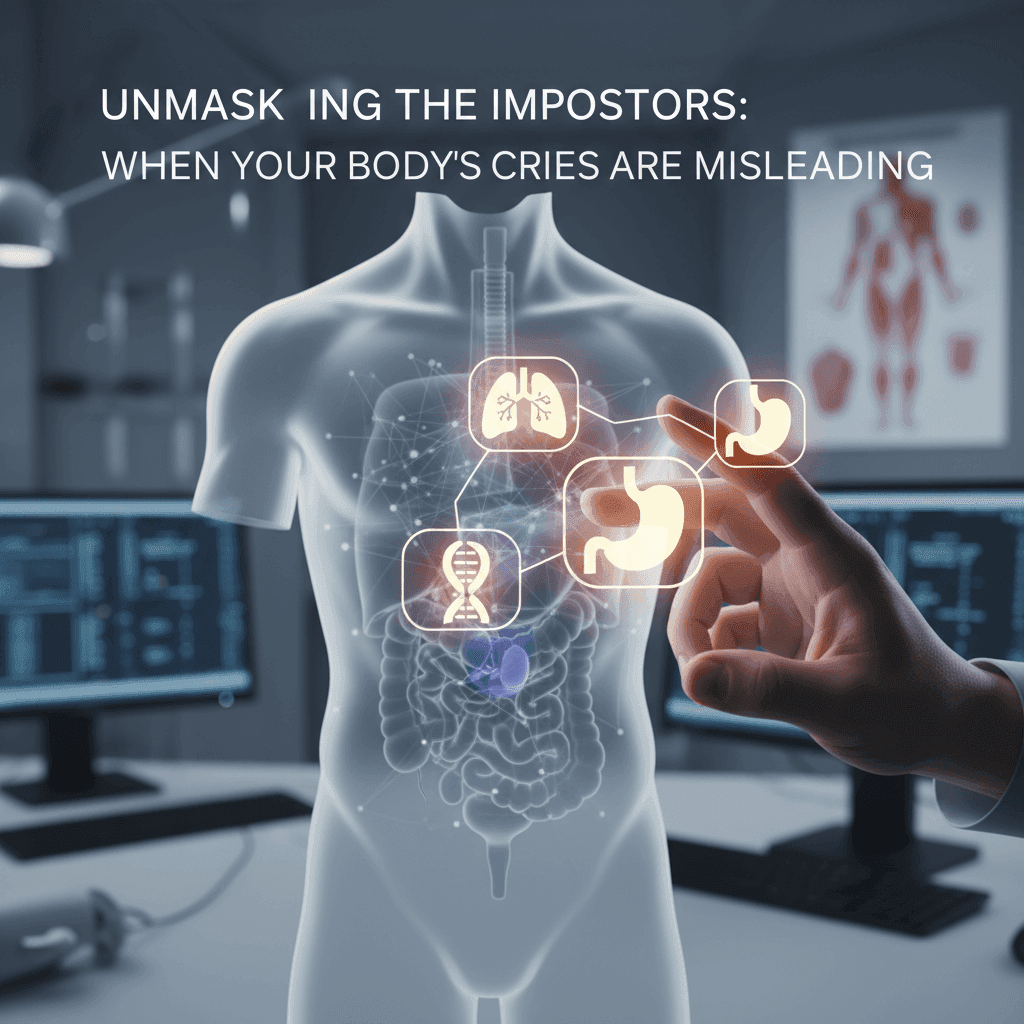
Unmasking the Impostors: When Your Body's Cries Are Misleading
Have you ever experienced a symptom that pointed you down one diagnostic path, only to discover the true underlying issue was entirely different, perhaps even shockingly so? Our bodies are complex communicators, often sending signals through pain, fatigue, discomfort, or other seemingly straightforward indicators. But what happens when these signals are deceptive? What if the very symptoms that scream "common cold" are actually whispering "something far more serious"? This profound exploration delves into the perplexing world where symptoms lie. We uncover the intricate reasons why your body's alarm system might be sending false flags, masking the real culprit behind your distress. From referred pain that misleads both patient and physician, to the insidious nature of psychosomatic manifestations, and even rare conditions presenting with incredibly common complaints, this post navigates the treacherous waters of medical deception. We challenge the conventional wisdom that symptoms always lead directly to the obvious diagnosis, urging a deeper, more critical look at the subtle nuances our bodies present. Discover why self-diagnosis based solely on surface-level symptoms can be a dangerous game, and understand the critical role of comprehensive medical investigation in unveiling the truth. This isn't just about understanding misleading symptoms; it's about empowering you with the knowledge to question, to advocate, and to seek clarity when your body's narrative feels fractured. Prepare to rethink everything you thought you knew about your health signals as we explore the hidden truths behind "When Symptoms Lie." This comprehensive guide offers insights into recognizing these diagnostic pitfalls, emphasizing the importance of a nuanced approach to health complaints. It's a vital read for anyone who has ever felt their symptoms weren't telling the whole story, offering strategies to navigate these complex health mysteries and gain a clearer understanding of what your body is truly trying to communicate.
Read more
0 reading now

Unlocking Your Inner Healer: The Astonishing Power of Placebo
Uncover the profound and often underestimated capabilities of the human mind in our latest exploration, 'The Placebo Effect Power.' This insightful post delves beyond superficial definitions to reveal the astonishing strength and intricate mechanisms behind one of medicine's most intriguing phenomena. For too long, the placebo effect has been dismissed as mere imagination or a statistical anomaly, yet cutting-edge research consistently demonstrates its tangible, measurable impact on health and healing. We journey into the neurobiological pathways, psychological conditioning, and powerful role of expectation that collectively orchestrate genuine physiological changes in response to inert treatments. Prepare to challenge preconceived notions and gain a deeper appreciation for the mind's pivotal role in health and recovery. Discover how the power of belief, context, and conditioning can alleviate chronic pain, reduce symptoms of depression and anxiety, calm irritable bowel syndrome, and even influence motor symptoms in conditions like Parkinson's disease. This isn't about conjuring miracles from thin air; it's about tapping into the body's innate capacity for self-regulation and healing, profoundly influenced by our perceptions, hopes, and the very environment of care. We'll dissect the difference between simply 'thinking positively' and the complex interplay of mind and body that the placebo effect truly represents, illustrating how the brain releases its own potent pharmacy of neurotransmitters, endorphins, and cannabinoids in response to perceived treatment, all without active pharmaceutical ingredients. This discussion also thoughtfully examines the ethical considerations of integrating the placebo effect into clinical practice, the fascinating relationship it shares with its darker twin, the equally potent nocebo effect, and what its existence teaches us about the patient-physician relationship and the very nature of illness and wellness. By understanding the genuine neurobiological and psychological underpinnings, we can begin to harness this natural healing capacity more effectively. Whether you're a healthcare professional, a patient seeking empowerment, or simply curious about the frontiers of human potential and the mind-body connection, this comprehensive look at 'The Placebo Effect Power' promises to enlighten and inspire, reshaping your understanding of healing and the incredible resources we all possess within. Explore how embracing this power can unlock new avenues for well-being and a more holistic approach to health.

Silent Epidemics Unveiled: Exposing the Invisible Health Threats
Dive deep into the shadows where some of the most pervasive threats to global health and well-being lurk unnoticed. Our latest post, 'Silent Epidemics Unveiled,' embarks on a crucial journey to illuminate the widespread health crises that often escape public discourse and critical attention. These aren't the headline-grabbing outbreaks, but rather insidious conditions and systemic issues that quietly erode the health, vitality, and future of countless individuals and communities across the globe. We explore the multifaceted reasons why these epidemics remain 'silent' – from their subtle, often misdiagnosed symptoms, to the societal stigmas that shroud them, and the systematic failures that prevent their widespread recognition. This comprehensive exploration sheds light on everything from chronic, non-communicable diseases that slowly debilitate populations, to escalating mental health crises that permeate every demographic, and even the often-overlooked environmental factors that contribute to widespread illness. We delve into how these silent threats disproportionately affect vulnerable populations, exacerbating inequalities and creating profound long-term consequences for healthcare systems, economies, and overall societal stability. The 'unveiling' isn't just about identifying these hidden dangers; it's about understanding their intricate mechanisms, their devastating human cost, and the urgent need for collective awareness and proactive intervention. Prepare to gain a refreshed perspective on what truly constitutes an epidemic, moving beyond the sensational to grasp the quiet, yet powerful forces shaping our health landscape. This post serves as a vital call to action, equipping readers with the knowledge to recognize these pervasive issues in their own lives and communities, fostering empathy, and inspiring dialogue that can ultimately lead to meaningful change. It’s an invitation to challenge the status quo, to question what’s left unsaid, and to join the movement to bring these silent epidemics into the light, where they can finally be confronted and overcome. Discover the hidden truths that demand our attention and collective resolve to build a healthier, more resilient future for all.
Read more
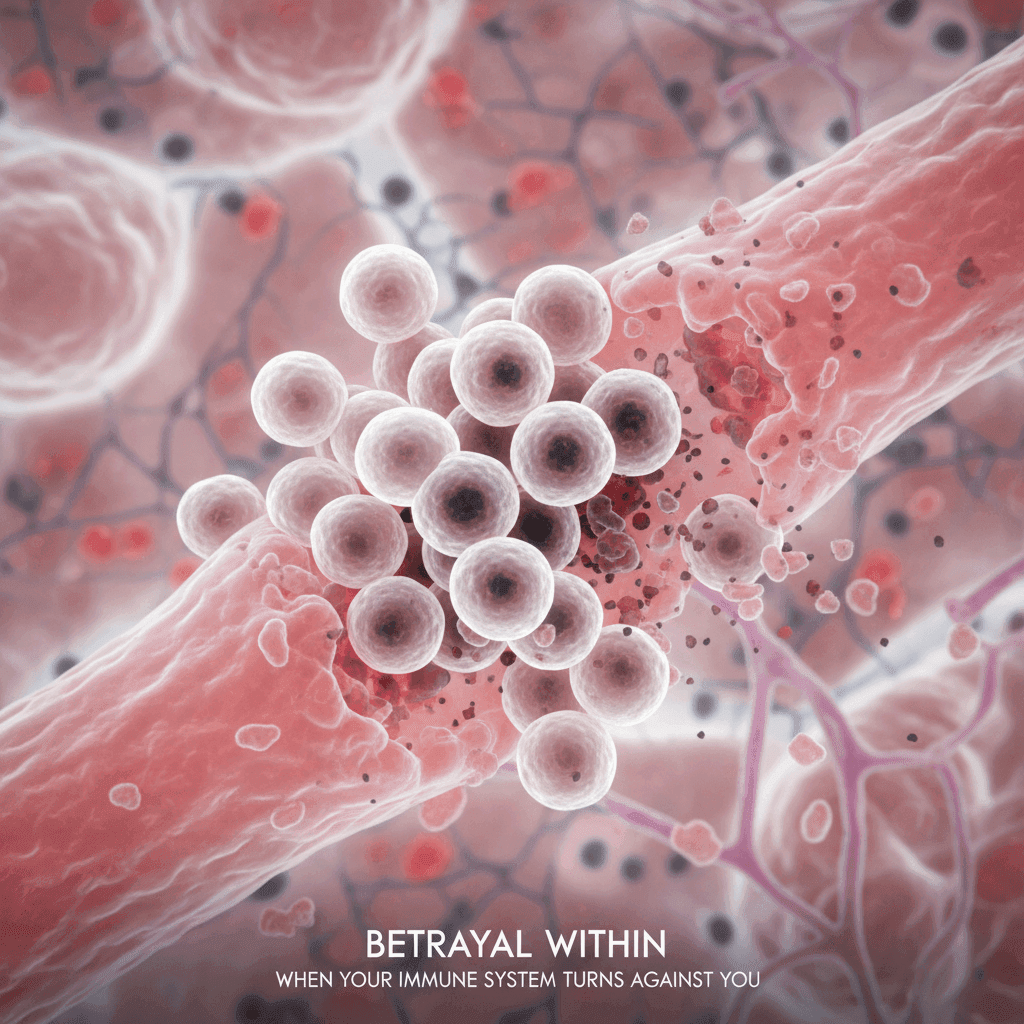
Betrayal Within: When Your Immune System Turns Against You
Our bodies are incredible fortresses, equipped with a sophisticated immune system designed to protect us from an endless array of invaders, from common colds to dangerous pathogens. But what happens when this intricate defense mechanism, meant to be our ultimate guardian, mysteriously turns its formidable power inward, mistaking healthy cells, tissues, and organs for foreign enemies? This perplexing and often devastating paradox is the core reality for millions globally, a phenomenon known as autoimmune disease – when the body, quite literally, attacks itself. This post delves into the profound and challenging world of these enigmatic conditions. We explore the intricate mechanisms behind why the immune system might lose its way, mistaking friend for foe, triggering a relentless, self-destructive assault. From the persistent, crippling inflammation of rheumatoid arthritis that slowly erodes joints, to the widespread systemic chaos of lupus affecting multiple organs, the debilitating demyelination in multiple sclerosis, or the digestive distress of Crohn's disease, the spectrum of "When the Body Attacks Itself" is vast and varied. Each condition presents its unique set of symptoms, often mimicking other ailments, leading to frustratingly long diagnostic journeys and a profound sense of uncertainty for those affected. The journey through an autoimmune diagnosis and subsequent management is often fraught with physical pain, chronic fatigue, emotional distress, and the challenge of living with an invisible illness that is frequently misunderstood. This piece aims to shed light on these complex realities. We will unpack common signs and symptoms that can serve as crucial whispers before becoming roaring alarms, helping to demystify these often-elusive conditions. Beyond the biological breakdown, we will touch upon the significant emotional and psychological toll, discuss the critical importance of early diagnosis, and explore various management strategies – from cutting-edge medical treatments and therapeutic interventions to holistic approaches, lifestyle adjustments, and self-care practices that can empower individuals to regain a sense of control and improve their quality of life. Join us as we navigate the challenging landscape of autoimmune conditions, seeking to foster deeper understanding, offer empathy, and empower those living with or supporting someone facing the profound reality of their own body attacking itself.
Disclaimer
This site offers information designed for educational purposes only. You should not rely on any information on this site as a substitute for professional medical advice, diagnosis, treatment, or as a substitute for, professional counseling care, advice, diagnosis, or treatment. If you have any concerns or questions about your health, you should always consult with a physician or other healthcare professional.