
Unraveling Medical Mysteries: Diagnostic Challenges & Rare Conditions
Diseases and Conditions
Explore the fascinating world of medical mysteries, from perplexing symptoms to rare diseases, and the ongoing quest for answers in healthcare. The human body is an incredibly complex system, and sometimes, even with the most advanced medical science, it presents bewildering puzzles that defy immediate understanding. These unexplained symptoms and diagnostic challenges represent some of the most profound frontiers in medicine, pushing researchers and clinicians to innovate and rethink established paradigms. For patients, living with an undiagnosed condition can be a frustrating and isolating experience, often involving years of appointments, tests, and emotional toll. This article delves into the intricate nature of these medical enigmas, exploring why certain conditions remain elusive, the arduous journeys patients undertake, and the cutting-edge approaches being developed to shed light on these persistent unknowns. From novel pathogens to highly individualized genetic predispositions, the realm of medical mysteries continues to expand our knowledge and highlight the incredible resilience of both the human body and the medical community dedicated to understanding it. Understanding these complexities is crucial for anyone interested in the evolving landscape of health and wellness.
The Enigma of Unexplained Symptoms and Diagnostic Odysseys
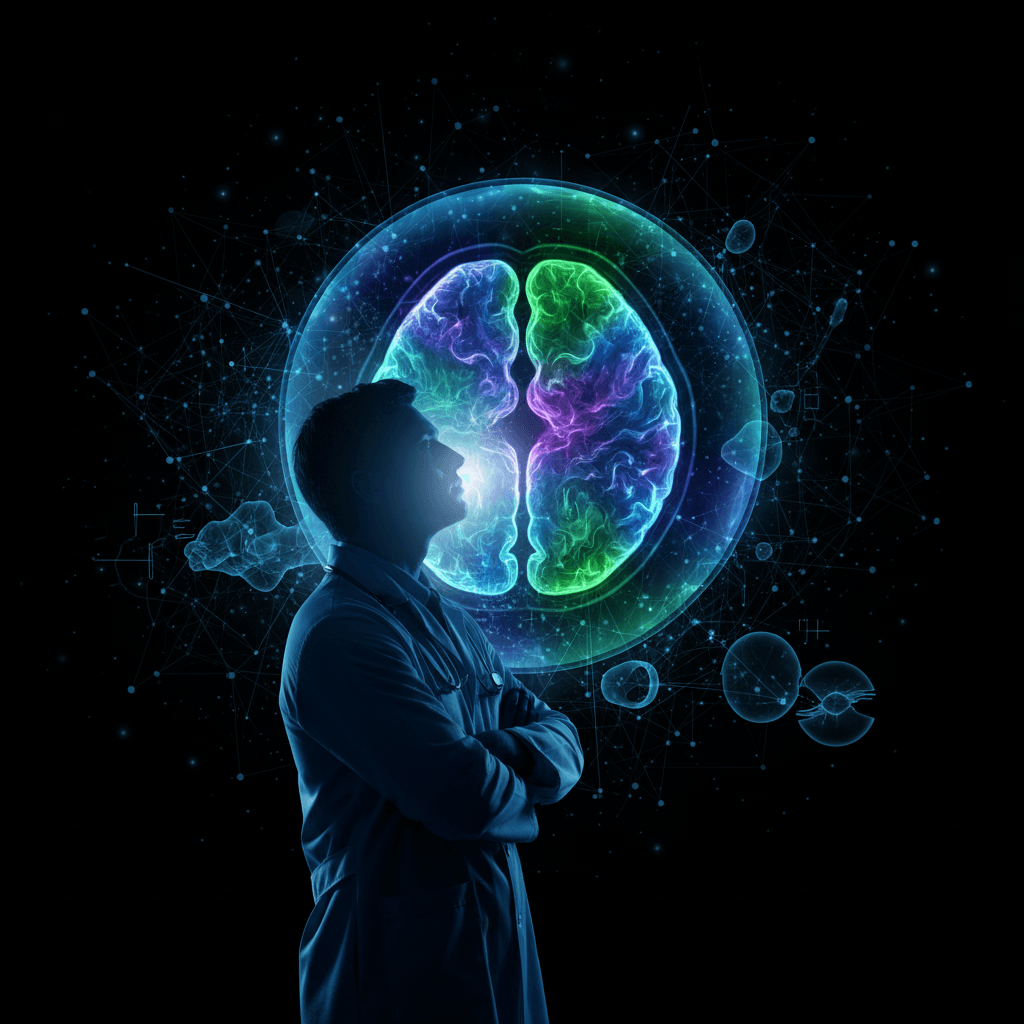
Many patients embark on what is often called a diagnostic odyssey, a challenging journey characterized by a relentless search for answers to their unexplained illness. This process can span years, involve multiple specialists, countless tests, and significant emotional distress, as symptoms persist without a clear diagnosis. Rare diseases, which affect a small percentage of the population, are a prime example of such medical mysteries. Individually rare, but collectively common, these conditions often present with non-specific or overlapping symptoms, making them incredibly difficult to identify. For instance, some autoimmune conditions can mimic a variety of other ailments before their true nature is revealed, leading to delayed treatment and prolonged suffering. The implicit question often asked is: 'Why are some diseases so hard to diagnose?' The answer lies in several factors: the sheer variability in human physiology, the novelty of certain pathogens or genetic mutations, and the limitations of current diagnostic tools. Consider conditions like Ehlers-Danlos Syndrome, a connective tissue disorder that can manifest in myriad ways, from chronic pain to organ dysfunction, often leading to misdiagnoses for years. Similarly, certain neurological disorders, such as atypical forms of Parkinsonism, can present with symptoms that don't fit typical diagnostic criteria, demanding highly specialized expertise and advanced imaging techniques for proper identification. The fragmented nature of healthcare systems can also complicate matters, as patients move between different clinics and specialists without a unified approach to their complex cases, further prolonging the search for clarity.
Breakthroughs and the Future of Solving Medical Enigmas
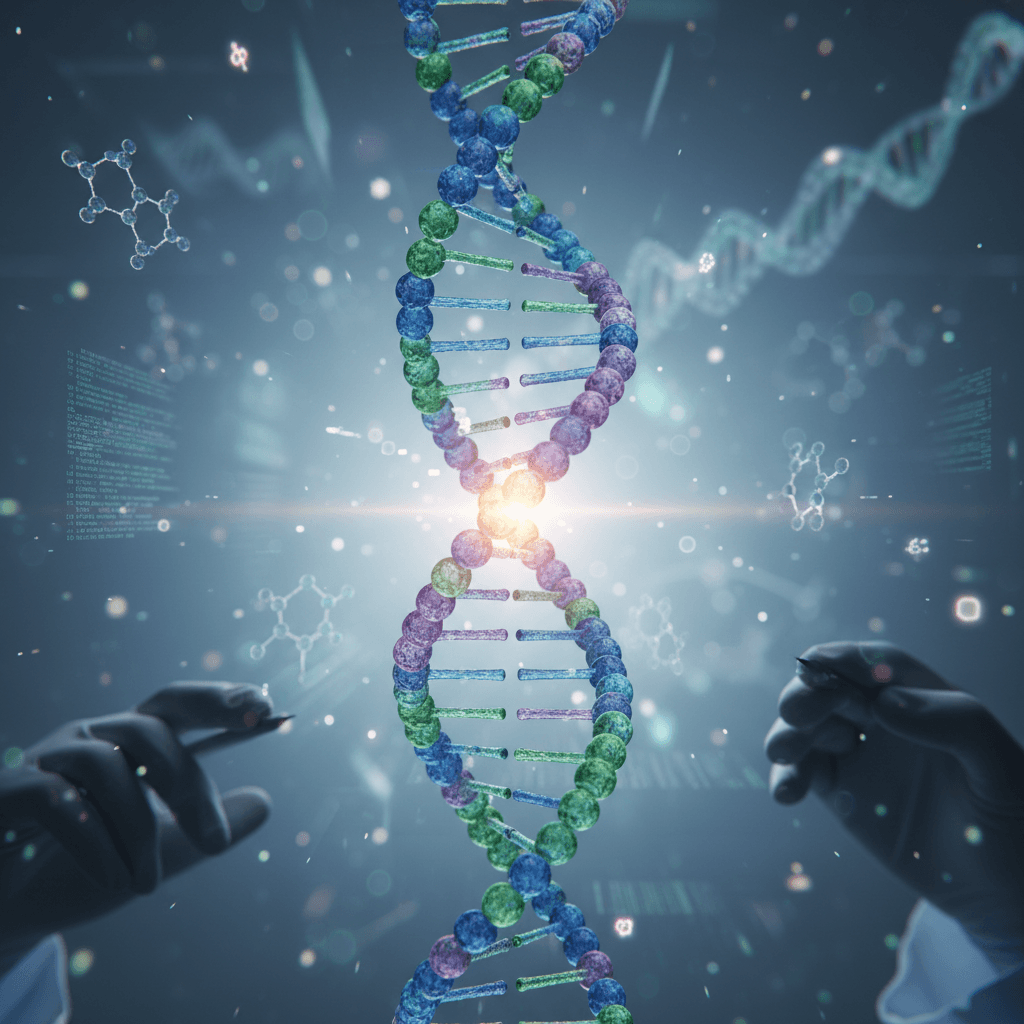
Despite the formidable nature of medical puzzles, significant advancements are being made in unraveling these persistent enigmas, implicitly answering the question: 'How are doctors making progress with medical mysteries?' One of the most transformative tools is genomic sequencing, which allows scientists to map an individual's entire genetic code. This has been instrumental in identifying rare genetic conditions that were previously unknown or misdiagnosed, providing clarity for families who have searched for answers for generations. For example, the discovery of novel mutations linked to specific developmental disorders or inherited metabolic diseases has revolutionized our understanding and paved the way for targeted therapies. Precision medicine is another revolutionary approach, tailoring treatments based on a patient's unique genetic makeup, lifestyle, and environment, moving away from a one-size-fits-all model. The integration of big data analytics and artificial intelligence (AI) is also accelerating diagnostic capabilities. AI algorithms can sift through vast amounts of medical literature, patient records, and imaging data, identifying patterns and correlations that might escape human observation, thereby assisting in the diagnosis of complex and unusual cases. Initiatives like the Undiagnosed Diseases Network (UDN) bring together leading experts from various disciplines to collaborate on the most challenging medical cases, fostering an interdisciplinary approach that has successfully diagnosed hundreds of previously baffling conditions. These collaborative efforts, combined with technological innovations, offer immense hope for patients still searching for answers, transforming the landscape of medical diagnostics and treatment.

Jennifer Trimbee

Aug 19, 2025

0 reading now
10 General Symptoms of Personality Disorder
Personality disorders are complex mental health conditions that significantly impact how individuals perceive themselves and others, often leading to difficulties in daily functioning. These disorders typically manifest in adolescence or early adulthood and can persist for many years. Understanding the general symptoms can be crucial for seeking appropriate treatment and support. Symptoms of personality disorders often include an enduring pattern of inner experience and behavior that deviates markedly from the expectations of the individual's culture. This pattern is pervasive and inflexible, leading to distress or impairment in personal, social, and occupational situations. These symptoms are typically grouped into categories such as cognitive, emotional, interpersonal, and impulse control problems. It is important to remember that while these symptoms can guide towards a diagnosis, a qualified mental health professional should conduct a comprehensive assessment to determine the presence of a personality disorder.
Read more
Jennifer Trimbee
Disclaimer
This site offers information designed for educational purposes only. You should not rely on any information on this site as a substitute for professional medical advice, diagnosis, treatment, or as a substitute for, professional counseling care, advice, diagnosis, or treatment. If you have any concerns or questions about your health, you should always consult with a physician or other healthcare professional.


Discussion
0No comments yet
Be the first to share your thoughts on this article.