
The Belly's Brain: How Your Gut Shapes Mood and Health
Your Health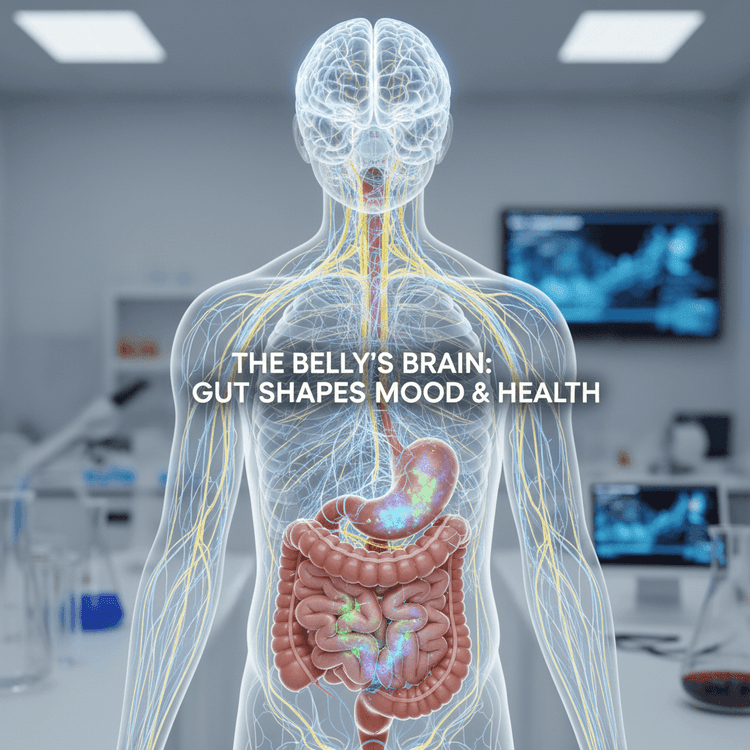
Dive deep into the fascinating world of your internal communication network with our latest post, 'Your Gut's Second Brain.' This comprehensive exploration uncovers the profound mysteries of the enteric nervous system (ENS), an intricate web of millions of neurons embedded directly within the walls of your digestive tract, often referred to as your body's "second brain." Far from merely overseeing the mechanics of digestion, this independent and powerful neural system plays a surprisingly central role in orchestrating much more than just your metabolic processes, extending its influence across your entire physiological and psychological landscape. Our post meticulously details how the ENS functions as a complex, intelligent system capable of intricate communication with your primary brain in your skull through the remarkable gut-brain axis. Discover how this bidirectional pathway influences everything from your emotional states and mood regulation to your cognitive abilities, memory recall, and even your decision-making processes. Learn about the astonishing fact that a significant majority of your body's serotonin, a crucial neurotransmitter associated with feelings of well-being, happiness, and appetite, is produced and stored right in your gut, not solely your brain. This insight alone radically shifts our understanding of mental health, emotional resilience, and offers new perspectives on how we perceive and manage stress, anxiety, and depressive symptoms. We delve into the critical influence of your gut microbiome – the trillions of microorganisms residing within you – on the functionality and overall health of your 'second brain.' Understand how dietary choices, stress levels, sleep patterns, and lifestyle habits can profoundly impact this delicate ecosystem, subsequently affecting the myriad signals sent to your main brain and, in turn, your overall mental clarity, energy levels, focus, and susceptibility to various chronic conditions. The article provides an accessible yet detailed breakdown of how you can consciously nourish this vital connection, fostering a healthier dialogue between your gut and your mind. Prepare to revolutionize your understanding of holistic health as we unveil actionable insights, practical tips, and evidence-based information designed to help you optimize your gut health, naturally boost your mood, sharpen your mind, and foster a stronger, more harmonious internal environment. This isn't just about efficient digestion; it's about unlocking a deeper connection to your entire well-being, improving your quality of life, and enhancing your resilience. Read 'Your Gut's Second Brain' to empower yourself with knowledge that can truly transform your health from the inside out and equip you with practical, sustainable strategies for a more balanced, vibrant, and fulfilling life. Don't miss this essential read that expertly bridges cutting-edge neuroscience with everyday wellness, offering a fresh and illuminating perspective on the intricate, often overlooked, dance between your belly and your brain.
The Gut-Brain Axis: Orchestrating Your Mood, Mind, and Health
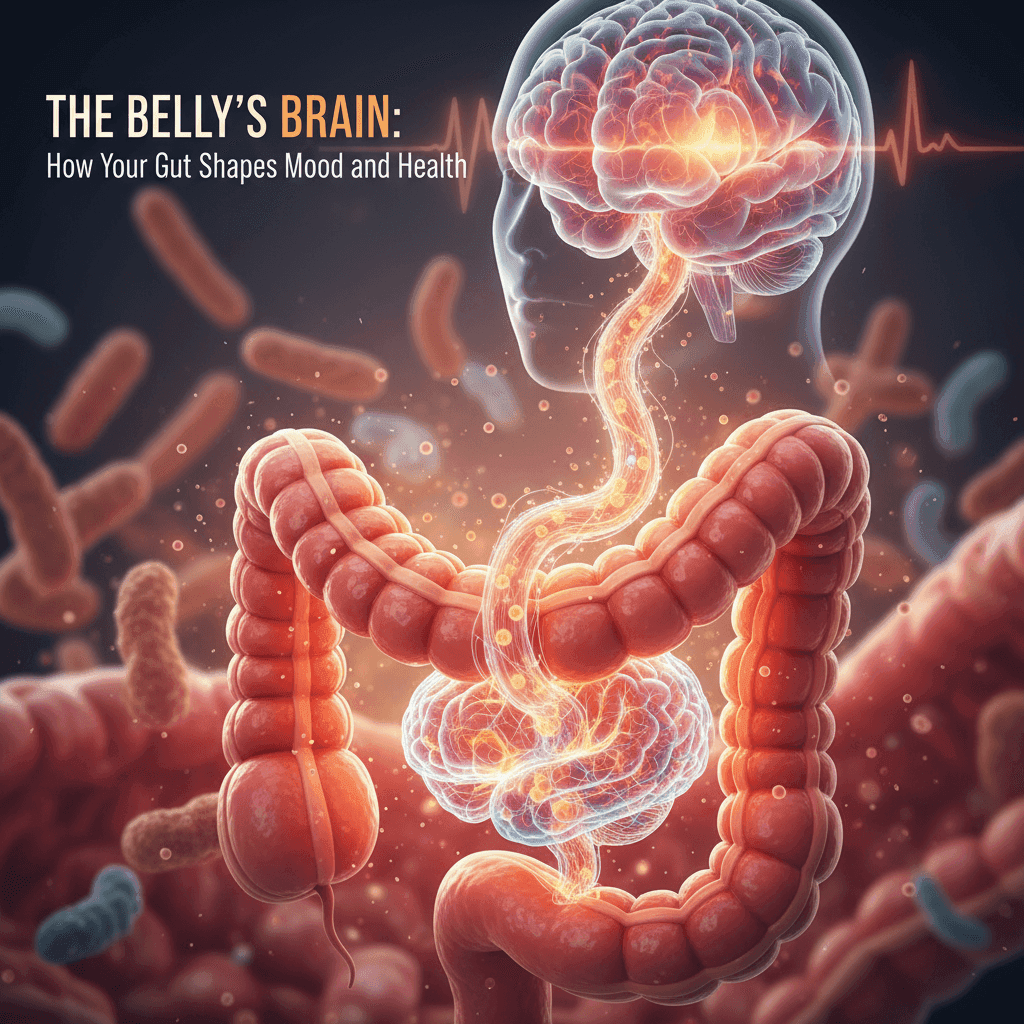
The intricate communication network known as the gut-brain axis stands as a profound testament to the interconnectedness of our physiological and psychological states, extending far beyond simple digestive mechanics to orchestrate a symphony of influences impacting our mood, cognitive function, and holistic health. This remarkable bidirectional pathway forms a vital bridge between the enteric nervous system (ENS), often hailed as our "second brain" nestled within the walls of the digestive tract, and the central nervous system in our skull. It is through this constant, dynamic exchange of biochemical signals, neurotransmitters, and hormones that the gut asserts its surprising, yet powerful, command over our emotional landscape, shaping our feelings of well-being, our resilience to stress, and even our susceptibility to conditions like anxiety and depression. A staggering majority of the body's serotonin, the key neurotransmitter associated with happiness and mood regulation, is not produced in the brain but right in the gut, highlighting the gut's unparalleled role in mental health. Furthermore, the gut-brain axis critically modulates cognitive processes, influencing memory recall, decision-making abilities, and overall mental clarity, demonstrating how a healthy gut is foundational to a sharp mind. The delicate balance of our gut microbiome—trillions of microorganisms residing within—plays an indispensable role in maintaining the integrity and functionality of this axis, translating dietary choices, sleep quality, and stress levels into tangible impacts on our brain health and, consequently, our energy, focus, and susceptibility to various chronic conditions. Nourishing this vital connection through conscious lifestyle choices therefore offers a transformative approach to not just improved digestion, but a deeply enhanced quality of life, fostering a more harmonious internal environment where mental and physical well-being flourish in unison. This sophisticated interplay underscores the necessity of considering gut health as a cornerstone for optimal brain function and emotional stability, revealing that true wellness begins from within our digestive core.
The Gut's Second Brain: Orchestrating More Than Metabolism
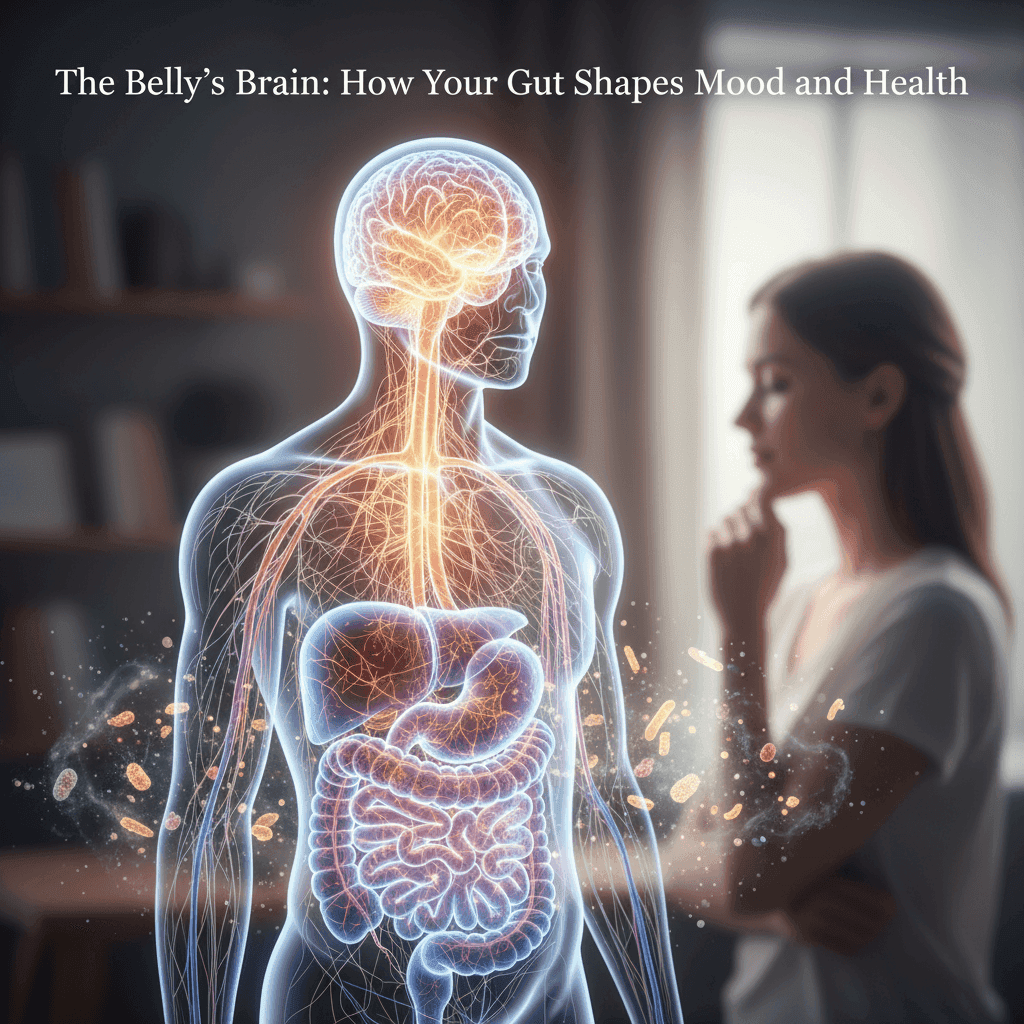
The concept of a "second brain" residing within our very gut might sound like science fiction, yet it accurately describes the enteric nervous system (ENS), an astonishingly complex network of millions of neurons intricately woven into the walls of our entire digestive tract. Far from being a mere subordinate system dedicated solely to the mechanical processes of digestion and nutrient absorption, the ENS stands as an independent and powerful neural center, demonstrating a remarkable capacity to not only manage the intricate choreography of our metabolic functions but also profoundly influence our entire physiological and psychological landscape. This "gut brain" engages in continuous, bidirectional dialogue with our primary brain in the skull via the multifaceted gut-brain axis, a superhighway of communication that shapes far more than just our internal processing of food. Its reach extends deeply into the realm of our emotional states, mood regulation, cognitive sharpness, memory consolidation, and even the subtle nuances of our decision-making. Astonishingly, the vast majority of the body's serotonin – a pivotal neurotransmitter crucial for feelings of happiness, well-being, and appetite control – is synthesized and stored directly within the gut, offering a radical paradigm shift in our understanding of mental health, stress resilience, and the origins of conditions like anxiety and depression. Consequently, acknowledging the ENS as a central orchestrator beyond simple metabolism is vital for anyone seeking a truly holistic approach to health, recognizing that the well-being of this internal neurological marvel is intrinsically linked to our overall vitality and mental clarity.

Jennifer Trimbee

Aug 19, 2025

0 reading now
What Causes Cysts and When to Worry
Cysts are fluid-filled sacs that can develop in various parts of the body, including the skin, ovaries, and internal organs. They are usually benign, meaning they are not cancerous, and are often caused by blockages in ducts, cell proliferation, or infections. Hormonal changes, genetic factors, and chronic inflammatory conditions can also contribute to cyst formation. While most cysts are harmless and may resolve on their own, some can become problematic if they grow large, cause pain, or become infected. It's important to monitor cysts and seek medical advice if they change in size, color, or sensation, or if they occur in conjunction with other symptoms.
Read more
Jennifer Trimbee
Aug 19, 2025

Disclaimer
This site offers information designed for educational purposes only. You should not rely on any information on this site as a substitute for professional medical advice, diagnosis, treatment, or as a substitute for, professional counseling care, advice, diagnosis, or treatment. If you have any concerns or questions about your health, you should always consult with a physician or other healthcare professional.

Discussion
0No comments yet
Be the first to share your thoughts on this article.