
The Gut-Mood Connection: How Your Inner World Shapes Your Mind
Your Health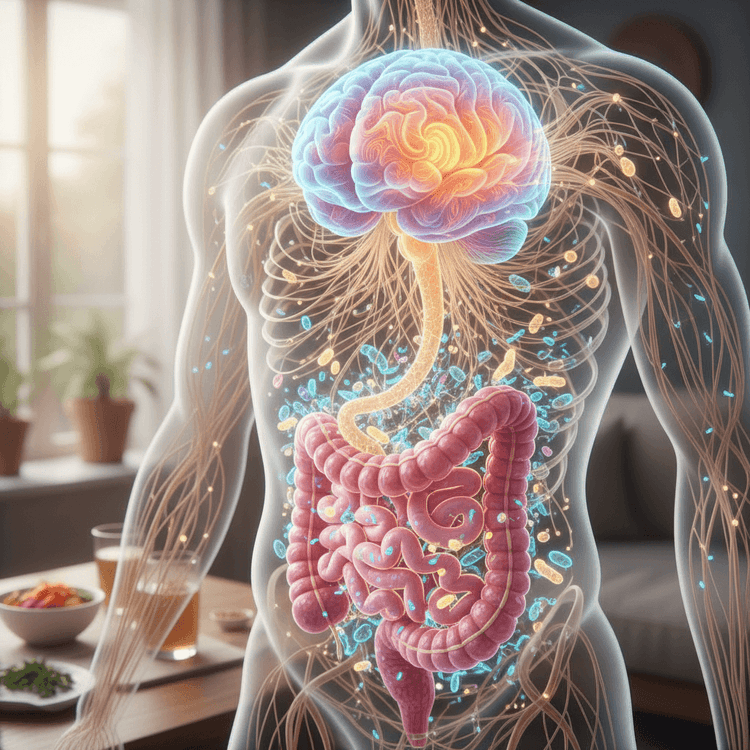
Delve deep into the groundbreaking science exploring the intricate and often surprising relationship between your digestive system and your mental well-being. This comprehensive post uncovers the profound link between "Your Gut, Your Mood," revealing how the trillions of microorganisms residing in your gut, collectively known as the gut microbiome, exert a powerful influence over your emotions, stress levels, and even your susceptibility to conditions like anxiety and and depression. We'll explore the fascinating concept of the gut-brain axis, a bidirectional communication superhighway involving neural, hormonal, and immunological pathways, with the vagus nerve playing a starring role in transmitting signals between your gut and your brain. Discover how your gut is not just a digestive organ but a vital chemical factory, producing a significant portion of your body's neurotransmitters, including the happiness-inducing serotonin. Learn how imbalances in your gut flora, often triggered by diet, lifestyle, and environmental factors, can contribute to chronic inflammation and compromise your mental resilience. This exploration will shed light on how nurturing a healthy gut ecosystem can be a powerful strategy for enhancing your mood, sharpening your cognitive function, and fostering greater emotional stability. If you've ever wondered why you "feel it in your gut" or how your diet impacts your disposition, this essential reading will provide invaluable insights and empower you with a deeper understanding of your body's most remarkable connections. Prepare to transform your perspective on health and happiness by understanding the profound dialogue happening within you, all starting from your gut.
From Gut to Gray Matter: The Surprising Science of Your Mood
Delving beyond the traditional view of digestion, we now understand that your gut is far more than just an organ for processing food; it's a bustling metropolis of microbial life, profoundly influencing the very essence of your mood and mental state. This surprising scientific revelation centers on the intricate gut-brain axis, a bidirectional communication superhighway that continuously exchanges vital signals between your digestive system and your central nervous system. Within this complex ecosystem, trillions of bacteria, fungi, and other microorganisms, collectively known as the gut microbiome, act as a hidden orchestrator, manufacturing a significant portion of your body's neurotransmitters, including the 'feel-good' chemical serotonin. Far from being an isolated system, an imbalanced gut flora can directly impact your emotional resilience, contributing to heightened stress levels, anxiety, and even depressive symptoms. This revolutionary understanding compels us to reconsider mental wellness through a holistic lens, recognizing that nurturing a diverse and healthy gut environment isn't just about physical comfort, but a fundamental strategy for enhancing cognitive function, stabilizing emotions, and fostering a robust sense of psychological well-being. Prepare to explore how this internal dialogue between your gut and your gray matter holds the key to unlocking a deeper, more integrated path to happiness and health.
Your Gut, Your Mood: Exploring the Gut-Brain Connection Superhighway
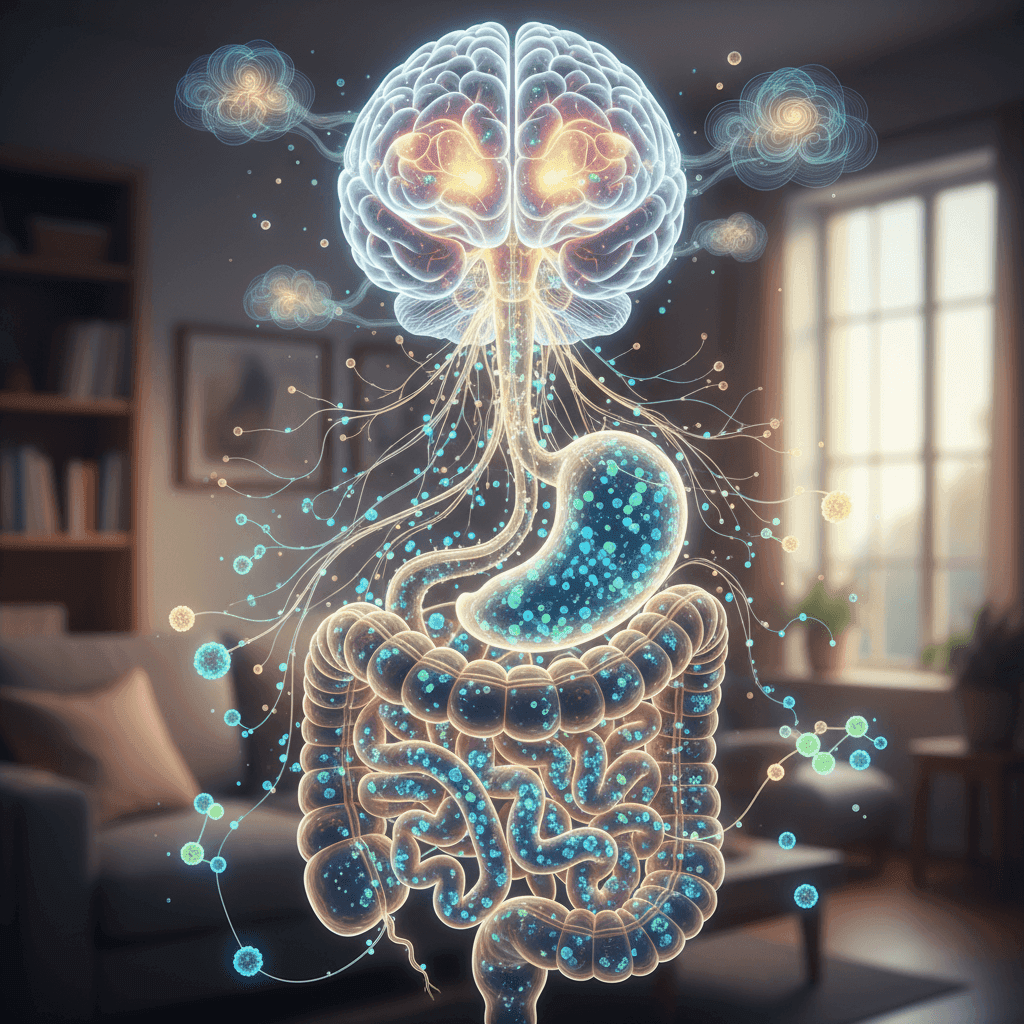
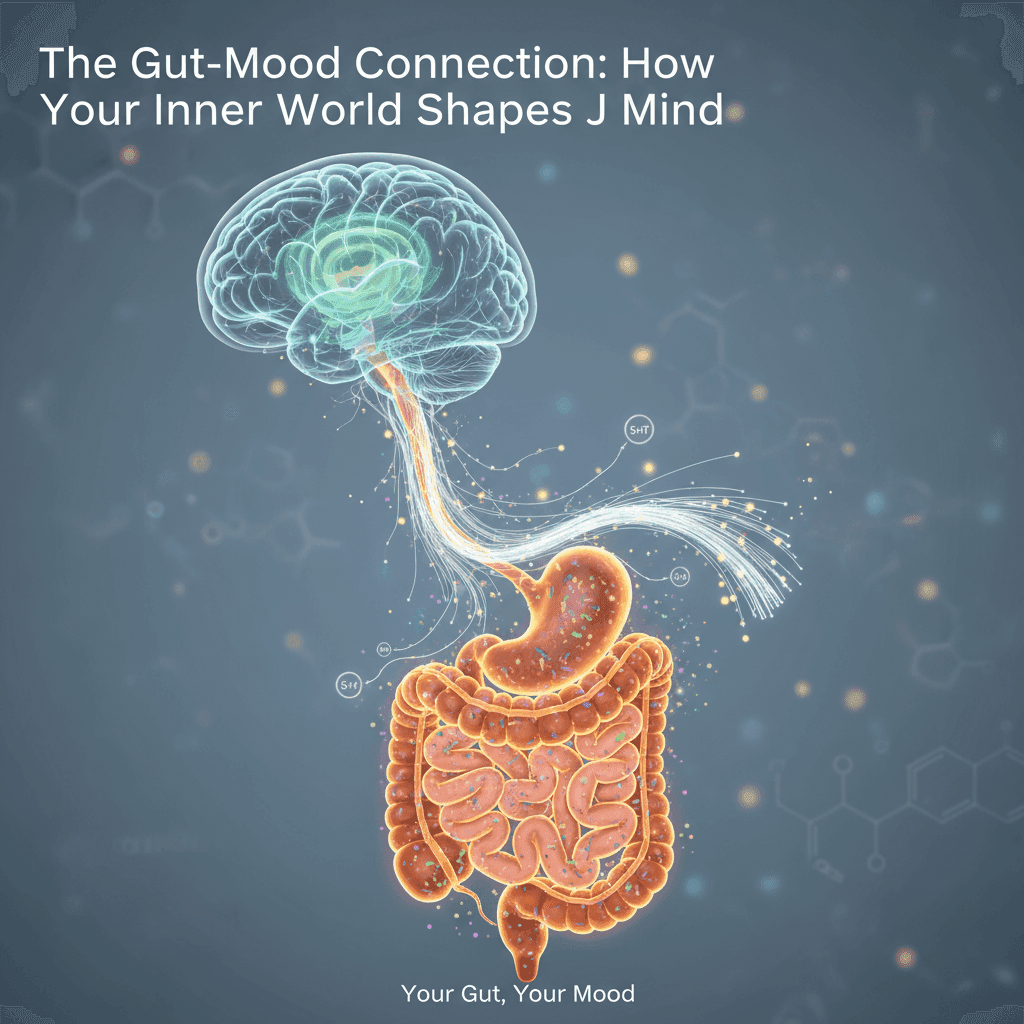
Beyond its primary role in digestion, your gut acts as a remarkable command center, intricately linked to your mental state through a complex, bidirectional communication network aptly named the gut-brain axis. This "superhighway" is not merely a metaphor but a tangible system comprising neural, hormonal, and immunological pathways, with the venerable vagus nerve serving as a crucial information conduit, directly transmitting signals between your gut and your brain. Within this vast internal ecosystem reside trillions of microorganisms, collectively known as the gut microbiome, which are far more than mere passengers; they are active participants in your emotional landscape. These microscopic residents profoundly influence your mood, stress levels, and even your susceptibility to conditions like anxiety and depression by regulating everything from inflammation to nutrient absorption. Strikingly, your gut is a significant producer of vital neurotransmitters, including a substantial portion of the body's serotonin—often dubbed the "happiness hormone"—demonstrating its direct role in manufacturing the very chemicals that shape your disposition. When this delicate gut ecosystem falls out of balance, often due to diet, lifestyle, or environmental stressors, it can lead to chronic inflammation and compromise your mental resilience, underscoring why nurturing a vibrant gut flora is a fundamental strategy for fostering emotional stability, enhancing cognitive function, and cultivating an overall sense of well-being.

Jennifer Trimbee

Aug 19, 2025

0 reading now
What Causes Cysts and When to Worry
Cysts are fluid-filled sacs that can develop in various parts of the body, including the skin, ovaries, and internal organs. They are usually benign, meaning they are not cancerous, and are often caused by blockages in ducts, cell proliferation, or infections. Hormonal changes, genetic factors, and chronic inflammatory conditions can also contribute to cyst formation. While most cysts are harmless and may resolve on their own, some can become problematic if they grow large, cause pain, or become infected. It's important to monitor cysts and seek medical advice if they change in size, color, or sensation, or if they occur in conjunction with other symptoms.
Read more
Jennifer Trimbee
Aug 19, 2025
Disclaimer
This site offers information designed for educational purposes only. You should not rely on any information on this site as a substitute for professional medical advice, diagnosis, treatment, or as a substitute for, professional counseling care, advice, diagnosis, or treatment. If you have any concerns or questions about your health, you should always consult with a physician or other healthcare professional.

Discussion
0No comments yet
Be the first to share your thoughts on this article.