Gut Feelings: How Your Microbiome Shapes Mental Health
Your Health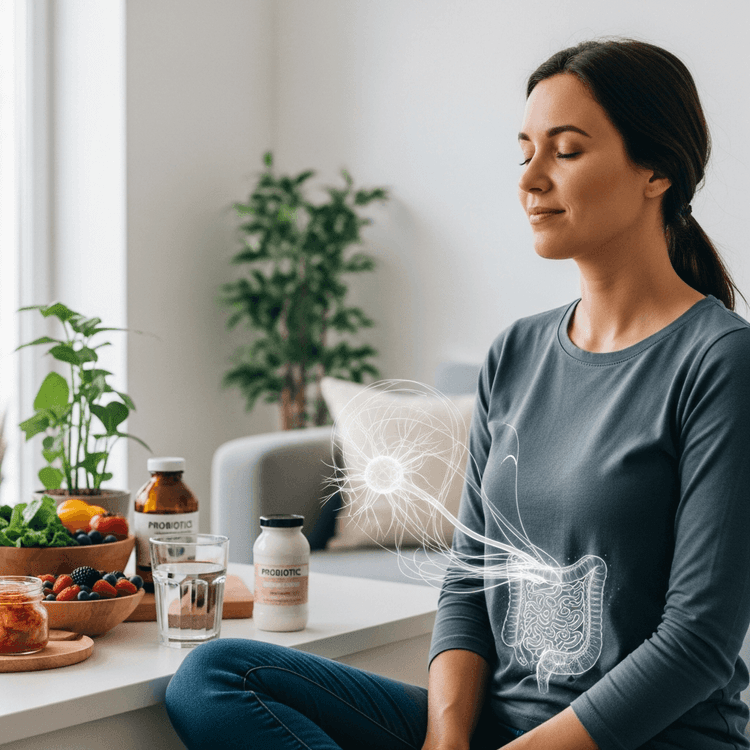
Delve into the revolutionary scientific understanding connecting your gut health with your mental well-being in our latest post, 'Microbiome's Mood Link.' For too long, the gut was primarily viewed as a digestive organ, but cutting-edge research is now revealing it as a second brain, teeming with billions of microorganisms that exert profound influence over our moods, emotions, and cognitive functions. This intricate relationship, known as the gut-brain axis, is a bidirectional communication highway where signals constantly flow between your brain and your digestive system, shaping everything from stress responses to feelings of happiness. Discover how the diverse community of bacteria, fungi, and viruses inhabiting your gut, collectively known as the microbiome, plays a pivotal role in synthesizing crucial neurotransmitters like serotonin, dopamine, and GABA – substances traditionally associated with brain function and emotional regulation. Learn how imbalances in your gut flora, often termed dysbiosis, can contribute to chronic inflammation, a known precursor to conditions such as anxiety, depression, and even neurological disorders. We explore the fascinating mechanisms through which short-chain fatty acids produced by beneficial gut bacteria can cross the blood-brain barrier, influencing brain chemistry, reducing neuroinflammation, and protecting against neurodegeneration. Our comprehensive discussion will illuminate the emerging field of psychobiotics and the immense potential for targeted dietary and supplemental interventions to support a healthier microbiome, thereby fostering greater mental resilience and emotional stability. Whether you're struggling with persistent low mood, anxiety, chronic stress, or simply curious about optimizing your overall health and mental clarity, this post offers invaluable, science-backed insights. Understand the profound power residing within your gut and equip yourself with actionable knowledge to nourish your inner ecosystem, promoting not just better digestion, but a clearer mind, enhanced cognitive function, and a more balanced emotional state. This isn't just about what you eat; it's about how your food choices literally feed the microorganisms that help shape your perception, happiness, and mental clarity, offering a holistic pathway to enhanced well-being that starts deep within your core.
Beyond Digestion: Gut Microbiome's Profound Link to Mental Well-being
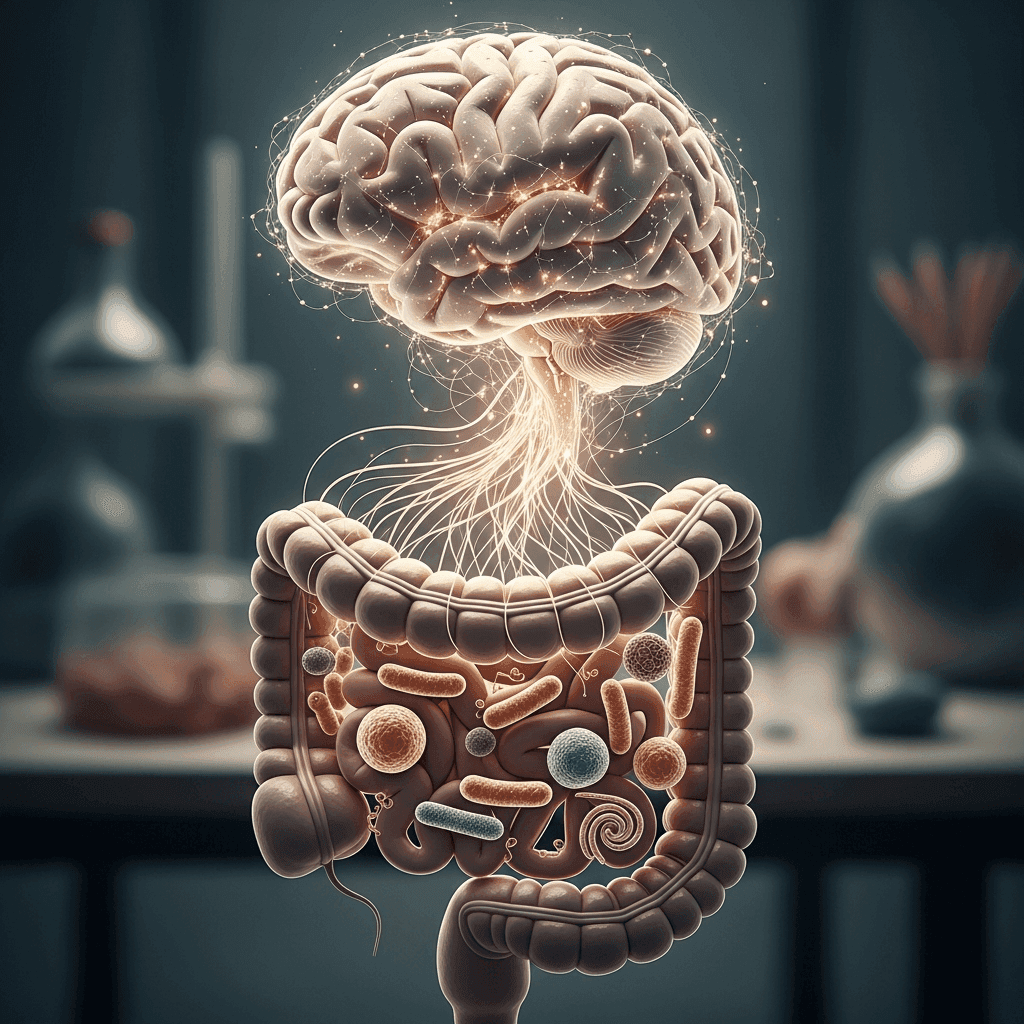
For far too long, our gut was narrowly perceived as merely a digestive organ, a biological engine solely responsible for processing nutrients and eliminating waste. However, groundbreaking scientific inquiry is now unequivocally redefining this perspective, unveiling the intricate reality that your gut is, in essence, a dynamic second brain, teeming with an astonishingly diverse ecosystem of trillions of microorganisms – your gut microbiome – that wield an immense, often underestimated, influence over your mental landscape. This revolutionary understanding highlights the sophisticated bidirectional communication highway known as the gut-brain axis, a ceaseless interplay where vital signals flow constantly between your brain and your digestive system, profoundly shaping every facet of your mood, emotional responses, and cognitive functions. Discover how this vibrant community of bacteria, fungi, and viruses isn't just passively residing within you; it's actively synthesizing crucial neurotransmitters such as serotonin, dopamine, and GABA, substances traditionally associated primarily with brain function and the delicate regulation of emotions, thereby directly impacting your feelings of happiness, calm, and even stress resilience. When this delicate microbial balance is disrupted, a state known as dysbiosis can ensue, contributing significantly to chronic systemic inflammation, a well-established precursor to debilitating conditions like anxiety, depression, and a spectrum of neurological disorders. Furthermore, beneficial gut bacteria produce powerful short-chain fatty acids (SCFAs) that possess the remarkable ability to traverse the blood-brain barrier, directly influencing brain chemistry, mitigating neuroinflammation, and offering protective mechanisms against neurodegeneration, underscoring the deep, biochemical connection. This isn't just about digestion; it's about nourishing an inner ecosystem whose health dictates your mental clarity, emotional stability, and overall sense of well-being, offering a holistic, science-backed pathway to optimizing your mental health that begins deep within your core.
Your Gut's Secret Power: How Microbes Govern Your Mind & Mood
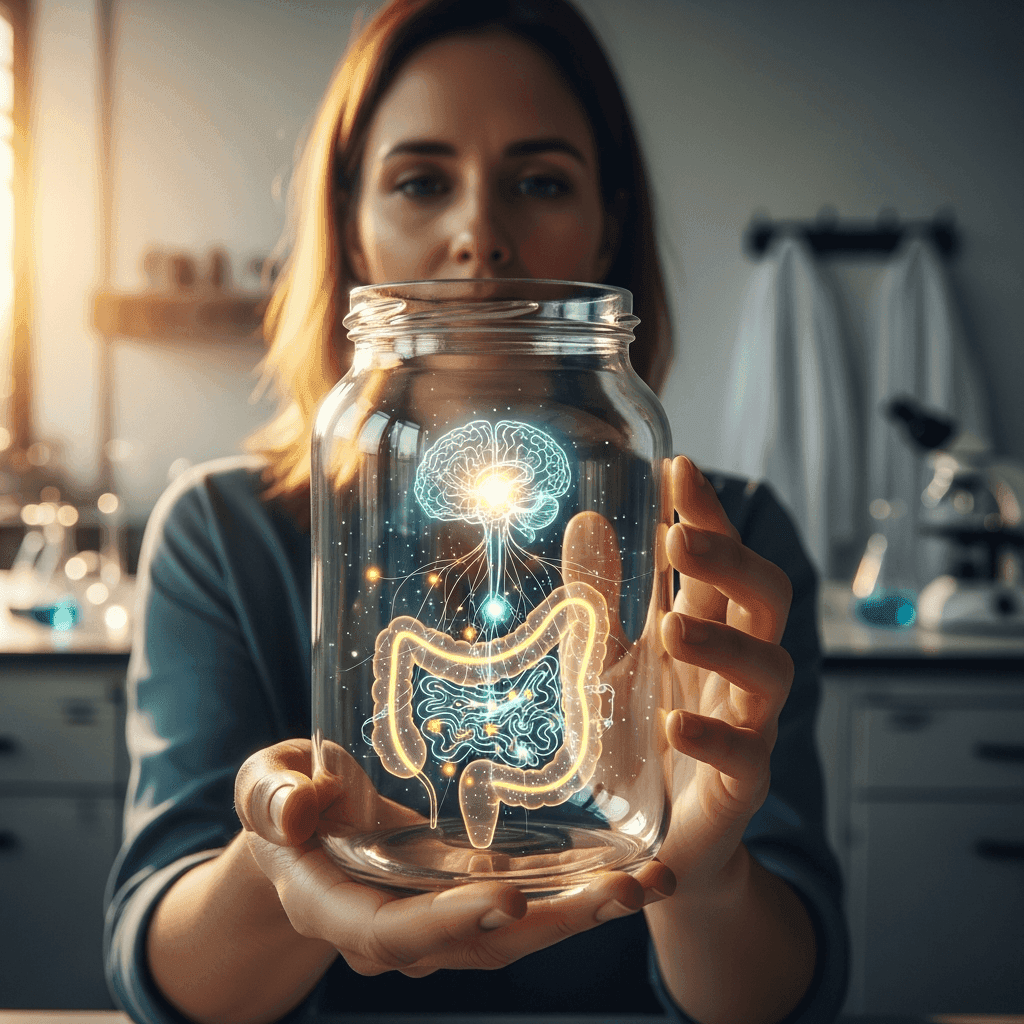
For too long, the intricate world within our gut was relegated solely to digestion, its profound influence on our mental and emotional landscape largely unrecognized. However, revolutionary scientific inquiry is now unveiling the gut as a veritable "second brain," a bustling ecosystem teeming with trillions of microorganisms—bacteria, fungi, and viruses collectively known as the microbiome—that wield astonishing power over our moods, cognitive functions, and overall mental well-being. This intricate, bidirectional communication network, dubbed the gut-brain axis, serves as a dynamic superhighway where signals constantly shuttle between your enteric nervous system and your central nervous system, shaping everything from your stress responses to your capacity for joy. It's within this hidden digestive realm that a significant portion of crucial neurotransmitters, including serotonin (often dubbed the 'happiness hormone'), dopamine, and GABA, are synthesized by these microbial inhabitants, directly impacting our brain chemistry and emotional regulation. When this delicate inner balance is disrupted—a state known as dysbiosis—it can trigger chronic inflammation and metabolic shifts, emerging as a significant precursor to debilitating conditions such as anxiety, depression, and even neurological disorders. Conversely, beneficial gut bacteria produce vital short-chain fatty acids that not only fortify the gut lining but can also traverse the blood-brain barrier, actively reducing neuroinflammation and bolstering neuroprotection. Understanding this 'secret power' of your gut is not just about enhancing digestion; it’s about recognizing the profound, foundational role your microbiome plays in literally governing your emotional stability, mental clarity, and resilience, offering a tangible pathway to cultivate a healthier mind by nourishing your inner ecosystem.
Discussion
No comments yet
Be the first to share your opinion!

Jennifer Trimbee

Aug 19, 2025

0 reading now
What Causes Cysts and When to Worry
Cysts are fluid-filled sacs that can develop in various parts of the body, including the skin, ovaries, and internal organs. They are usually benign, meaning they are not cancerous, and are often caused by blockages in ducts, cell proliferation, or infections. Hormonal changes, genetic factors, and chronic inflammatory conditions can also contribute to cyst formation. While most cysts are harmless and may resolve on their own, some can become problematic if they grow large, cause pain, or become infected. It's important to monitor cysts and seek medical advice if they change in size, color, or sensation, or if they occur in conjunction with other symptoms.
Read more
Jennifer Trimbee
Aug 19, 2025
Disclaimer
This site offers information designed for educational purposes only. You should not rely on any information on this site as a substitute for professional medical advice, diagnosis, treatment, or as a substitute for, professional counseling care, advice, diagnosis, or treatment. If you have any concerns or questions about your health, you should always consult with a physician or other healthcare professional.