
Acid Reflux: Simple Ways to Feel Better Without Daily Pills
Diseases and Conditions
It’s 10 PM, you’ve finally settled onto the sofa after a packed day, and suddenly *that* familiar burning sensation starts in your chest, leaving you wondering if you should have skipped that late-night snack. Or maybe it’s the persistent cough that greets you most mornings, hinting that something isn't quite right. For many of us, these uncomfortable moments are all too common. While daily medications often offer a quick fix, you might be asking yourself if there are other practical, effective ways to genuinely soothe *acid reflux* without making a pill part of your daily routine. We hear you. This article isn't about ditching your doctor; instead, we'll share simple, actionable strategies and real-world shifts you can start trying this week to find significant relief. Think of this as a smart-friend guide to reclaiming comfort, always remembering these are general tips and a chat with your healthcare provider is key for personalized advice.
The Surprising Reasons for Your Persistent Heartburn
Ever reached for an antacid after dinner, wondering why that familiar burn persists? While we often blame spicy food, the surprising reasons for persistent heartburn are often more subtle than your plate. It’s less about *what* you eat, and more about *how*, *when*, and even daily habits you might not connect to indigestion. Heartburn occurs when stomach acid splashes into your esophagus. A muscle at the bottom of your esophagus acts like a one-way valve, keeping acid in your stomach. When this valve relaxes or is under pressure, acid can escape. Culprits go beyond food: think rushed, large meals, eating too close to bedtime, tight clothes, or stress. For persistent or concerning symptoms, always consult your doctor. Simple changes you can make now? Try eating slower, smaller meals to reduce pressure. Finish your last meal two to three hours before lying down, letting gravity help. These shifts can often bring significant relief without daily pills. Next, we’ll explore more specific strategies to keep that burn away.

Quick Fixes for Nighttime Heartburn Relief
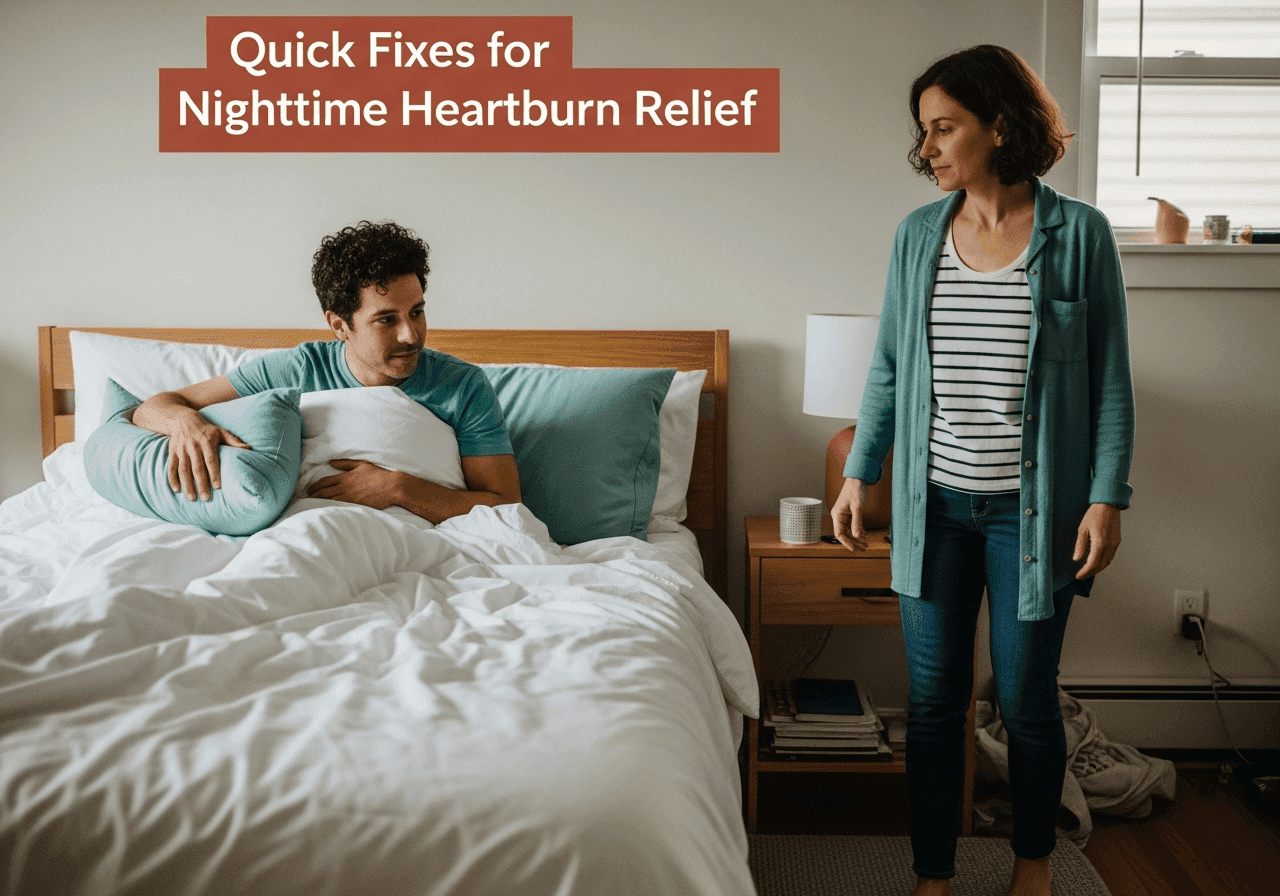
That familiar burning sensation waking you up? Or maybe just the dread of lying flat? Nighttime heartburn is a real sleep-killer, but simple adjustments to your evening can often bring significant relief without daily pills. The biggest game-changer is gravity. Elevating your upper body can keep stomach acid where it belongs. A wedge pillow, gently lifting your head and chest six to eight inches, works wonders. Next, timing is everything: aim to finish eating at least three hours before bed. This gives your stomach time to digest. And for a specific tip many find helpful, try sleeping on your left side; it can subtly help keep acid down. While these tricks are incredibly helpful, they're not a permanent fix for everyone. If heartburn consistently disrupts your sleep or feels severe, chat with your doctor; this article offers general information, not medical advice. Applying these small, smart changes often means the difference between a restless night and waking up refreshed, ready to go.

Jennifer Trimbee

Aug 19, 2025

0 reading now
10 General Symptoms of Personality Disorder
Personality disorders are complex mental health conditions that significantly impact how individuals perceive themselves and others, often leading to difficulties in daily functioning. These disorders typically manifest in adolescence or early adulthood and can persist for many years. Understanding the general symptoms can be crucial for seeking appropriate treatment and support. Symptoms of personality disorders often include an enduring pattern of inner experience and behavior that deviates markedly from the expectations of the individual's culture. This pattern is pervasive and inflexible, leading to distress or impairment in personal, social, and occupational situations. These symptoms are typically grouped into categories such as cognitive, emotional, interpersonal, and impulse control problems. It is important to remember that while these symptoms can guide towards a diagnosis, a qualified mental health professional should conduct a comprehensive assessment to determine the presence of a personality disorder.
Read more
Jennifer Trimbee
Disclaimer
This site offers information designed for educational purposes only. You should not rely on any information on this site as a substitute for professional medical advice, diagnosis, treatment, or as a substitute for, professional counseling care, advice, diagnosis, or treatment. If you have any concerns or questions about your health, you should always consult with a physician or other healthcare professional.



Discussion
1The persistent morning cough is exactly my problem. I'm really keen to find ways to tackle it without needing pills all the time.