
Simple Steps for Better Sleep: Your Best Rest Starts Tonight
Lifestyle and Welness
You know that feeling: your alarm rings, but your body insists it's still 3 AM, or maybe it’s the midday slump where a double espresso barely keeps your eyelids from staging a full rebellion. That constant chase for truly restorative sleep can often feel like a full-time job in itself, leaving us even more tired and wondering why something so fundamental feels so complicated. So many of us are constantly searching for that elusive magic bullet to finally get the rest we desperately need, often feeling frustrated and overwhelmed by conflicting advice. Here, we’re cutting through the noise to offer simple steps for better sleep that you can start putting into practice as soon as tonight, helping you ditch the grogginess for good and wake up feeling genuinely refreshed. While these practical tips are a great starting point for improving your rest, always remember to chat with your doctor if sleep issues persist or cause you significant concern, as personalized medical advice is key.
What Really Happens When You Close Your Eyes at Night
You finally fall into bed, completely wiped out, hoping for some serious rest. Yet, too often, we wake up still foggy, far from refreshed. It’s easy to think of sleep as simply 'switching off,' but your brain and body are actually incredibly busy. This isn't just about getting enough hours; it’s about the *quality* of those hours and what your system accomplishes during its nightly reset. When you drift off, your brain cycles through distinct stages. Deep non-REM sleep is when your body truly repairs itself, strengthens your immune system, and consolidates memories. Then comes REM sleep, often called dream sleep, vital for emotional processing and learning. Think of it like your brain’s nightly clean-up and filing system. To help your body cycle through these efficiently, try to stick to a consistent bedtime and wake-up time. This predictability aids your internal clock in preparing for restoration. These aren't idle hours; they’re critical for your physical and mental sharpness. Setting yourself up for this vital work doesn't need to be complicated, but it does require intentional care. While this article offers general advice, if you have ongoing sleep concerns, it’s always wise to chat with your doctor. Ready to discover simple tweaks that can help your system do its best work tonight?

How to Actually Get the Good Sleep You Deserve
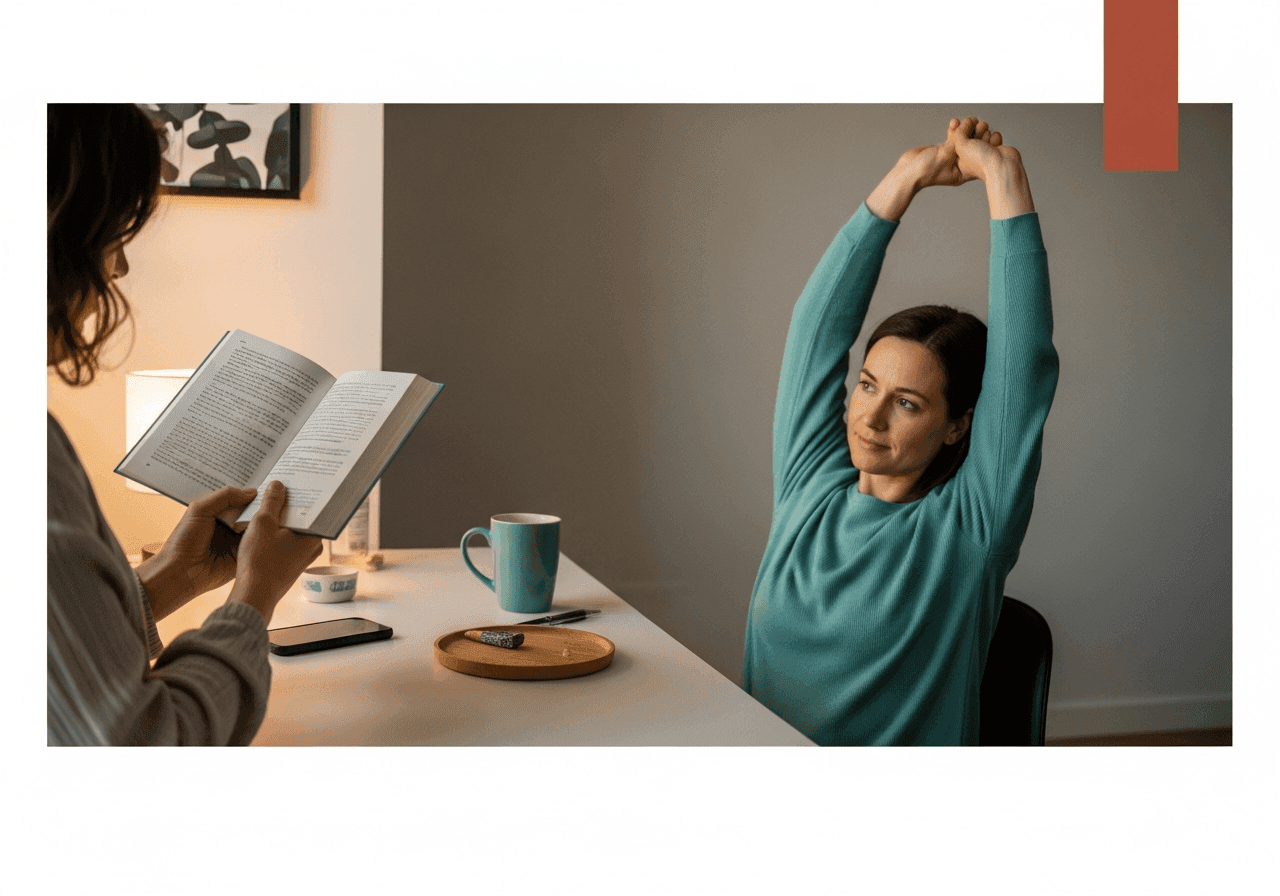
Ever find yourself scrolling through social media, telling yourself 'just five more minutes' before bed, only to feel wired when you finally try to sleep? It’s a super common habit, but those bright screens signal to your brain that it’s still daytime, messing with your natural sleep hormones. Getting good sleep isn’t about flipping a switch; it’s about gently dimming the lights for your mind and body. Instead of a strict shutdown, think of it as a gradual descent. About an hour before you want to be asleep, signal to your brain it’s time to shift gears. This isn't about *doing nothing*; it's about *doing calming things*. Put your phone away – yes, really. Instead, try reading a physical book, listening to a soothing podcast, or even doing some gentle stretches. Dim the lights in your main living areas. Our bodies respond to light cues, and bright lights trick us into thinking it’s still daytime. Avoid anything that gets your brain buzzing, like work emails or intense news. But here’s the honest truth: sometimes, even with the best intentions, sleep doesn't come easily. Don't beat yourself up if you have an off night. The goal isn't perfection, but consistency. And while this advice is for general well-being, if you’re consistently struggling or suspect an underlying issue, a chat with your doctor is always a smart next step for personal concerns. Start small. Pick just one of these ideas to try tonight. You might be surprised how quickly your body thanks you for the effort.

Jennifer Trimbee

Aug 19, 2025

0 reading now
10 General Symptoms of Personality Disorder
Personality disorders are complex mental health conditions that significantly impact how individuals perceive themselves and others, often leading to difficulties in daily functioning. These disorders typically manifest in adolescence or early adulthood and can persist for many years. Understanding the general symptoms can be crucial for seeking appropriate treatment and support. Symptoms of personality disorders often include an enduring pattern of inner experience and behavior that deviates markedly from the expectations of the individual's culture. This pattern is pervasive and inflexible, leading to distress or impairment in personal, social, and occupational situations. These symptoms are typically grouped into categories such as cognitive, emotional, interpersonal, and impulse control problems. It is important to remember that while these symptoms can guide towards a diagnosis, a qualified mental health professional should conduct a comprehensive assessment to determine the presence of a personality disorder.
Read more
Jennifer Trimbee
Disclaimer
This site offers information designed for educational purposes only. You should not rely on any information on this site as a substitute for professional medical advice, diagnosis, treatment, or as a substitute for, professional counseling care, advice, diagnosis, or treatment. If you have any concerns or questions about your health, you should always consult with a physician or other healthcare professional.



Discussion
1I've tried a ton for that midday slump already. Curious if you have tips on winding down my mind before bed?