
The Urgent Need to Know About These 10 Skin Diseases
Diseases and Conditions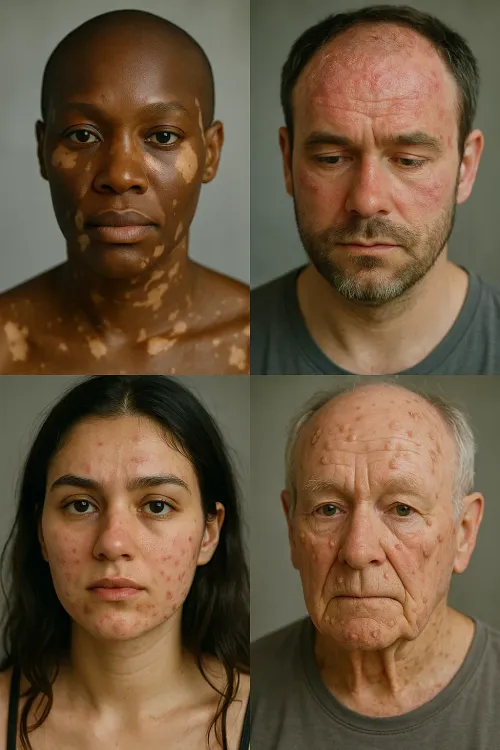
Understanding skin diseases is crucial as they affect millions worldwide, impacting their quality of life and sometimes signaling systemic health issues. Skin, the body's largest organ, serves as a barrier against infections, regulates temperature, and provides sensory feedback. However, it is susceptible to numerous diseases, ranging from mild irritations to severe conditions with lasting consequences. Familiarizing oneself with common skin diseases like eczema, psoriasis, acne, rosacea, and more can empower individuals to seek timely treatment and adopt preventive measures, thus improving their skin health and overall well-being. This article delves into ten prevalent skin diseases, highlighting their symptoms, causes, and management strategies to enhance awareness and encourage proactive care.
Common Skin Diseases and Their Impact
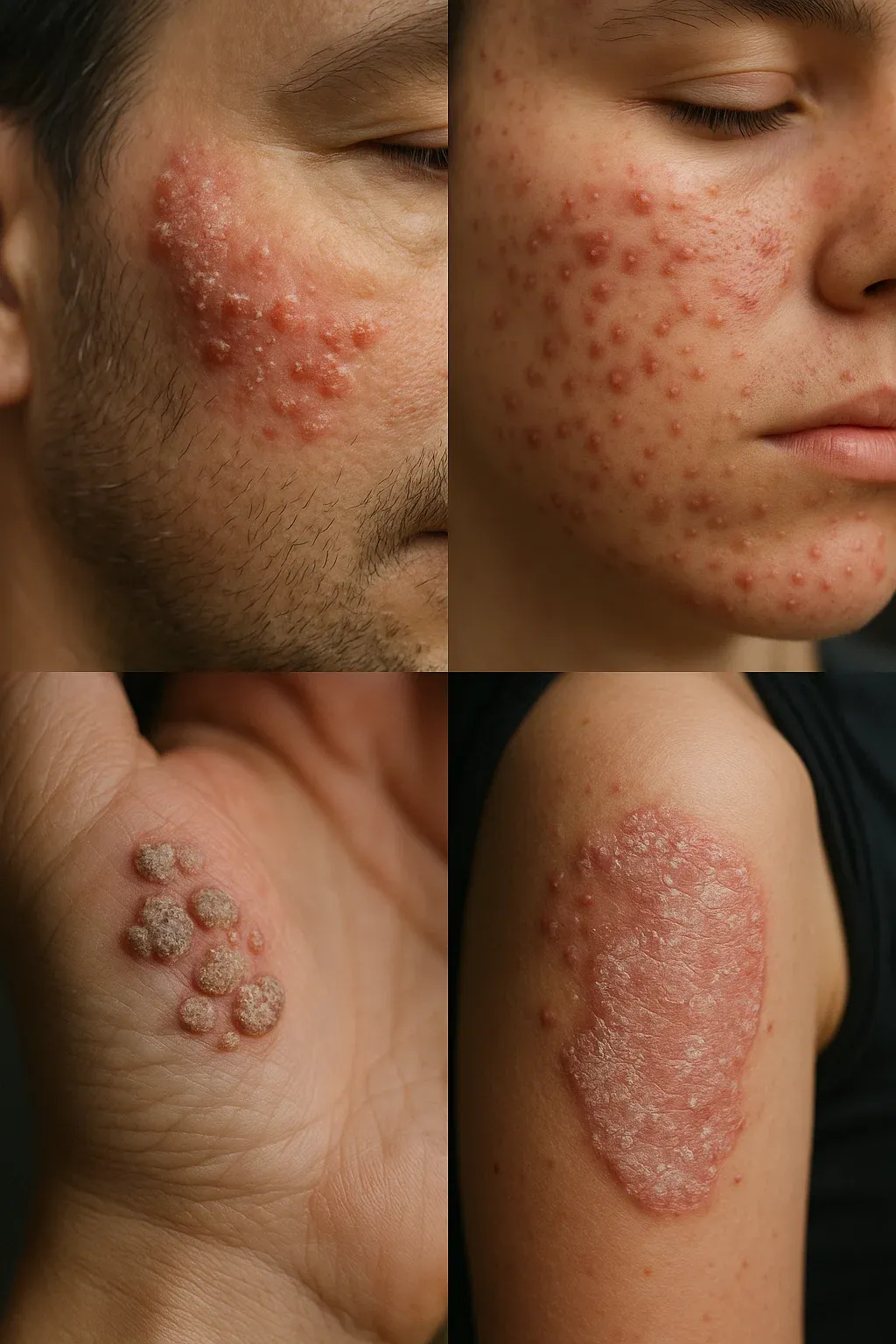
Skin diseases can manifest in various forms, each with its unique set of challenges. Eczema, for instance, is a chronic condition characterized by itchy and inflamed skin, affecting both adults and children. Psoriasis, another common ailment, involves rapid skin cell growth leading to thick, scaly patches. Acne, while often dismissed as a teenage issue, can persist into adulthood and cause significant emotional distress. Rosacea, a condition marked by facial redness, is often mistaken for sunburn or acne, leading to delayed treatment. Vitiligo, characterized by loss of skin pigment, can have profound psychological impacts due to its visible nature. Understanding these conditions is crucial not just for treatment, but also for reducing stigma and supporting those affected.
Prevention and Management Strategies
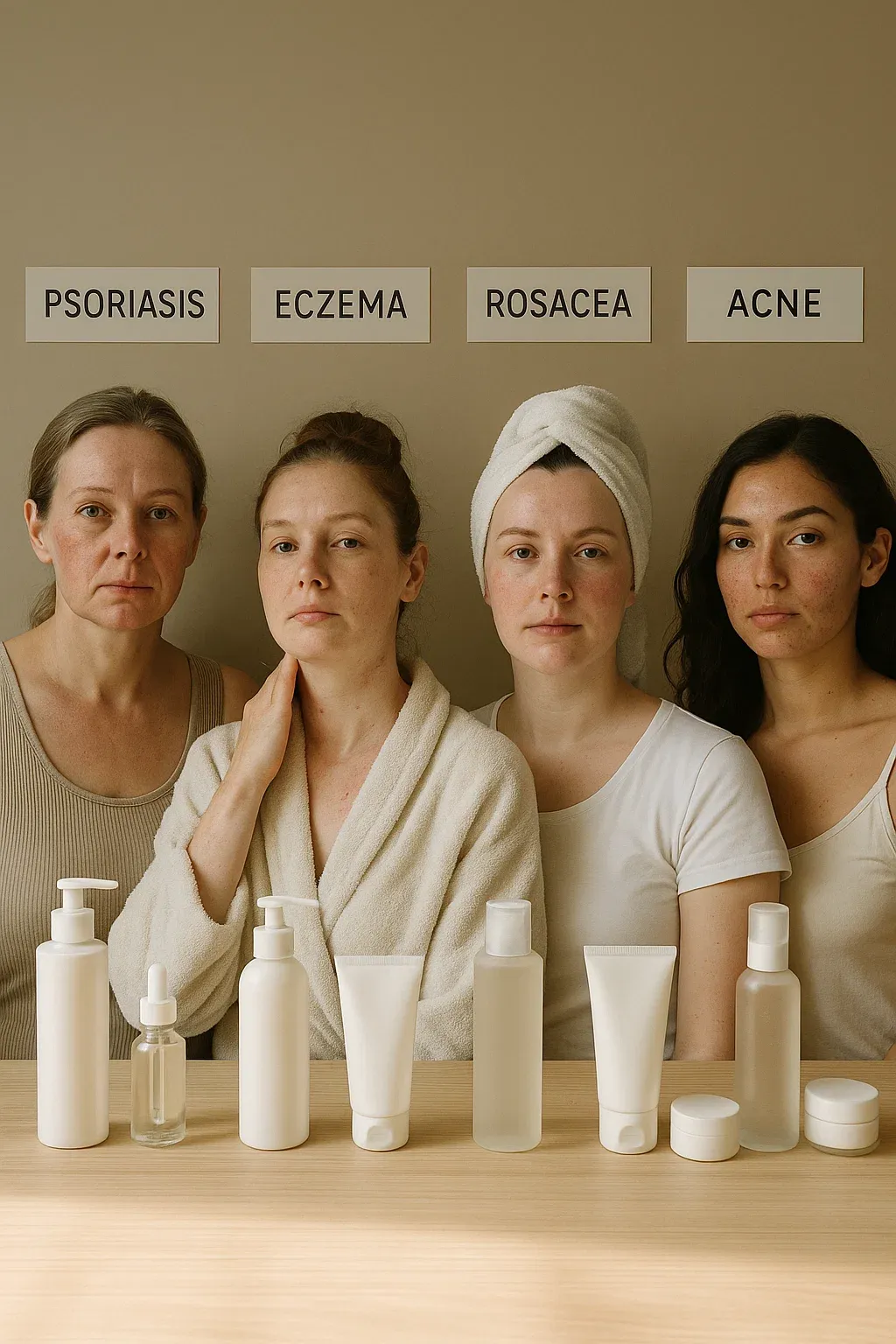
Effective management of skin diseases often involves a combination of medical treatment and lifestyle changes. For eczema and psoriasis, moisturizing regularly and avoiding known irritants can help manage flare-ups. Acne sufferers may benefit from a consistent skincare routine and dietary adjustments. Rosacea management might involve avoiding triggers like spicy foods and alcohol, while vitiligo patients may explore options like phototherapy or camouflage cosmetics. It is crucial to consult dermatologists for personalized treatment plans, as self-diagnosis can lead to worsened conditions. Public health initiatives and educational campaigns can play a vital role in spreading awareness and providing resources to those affected by skin diseases, ultimately improving health outcomes and quality of life.

Jennifer Trimbee

Aug 19, 2025

0 reading now
10 General Symptoms of Personality Disorder
Personality disorders are complex mental health conditions that significantly impact how individuals perceive themselves and others, often leading to difficulties in daily functioning. These disorders typically manifest in adolescence or early adulthood and can persist for many years. Understanding the general symptoms can be crucial for seeking appropriate treatment and support. Symptoms of personality disorders often include an enduring pattern of inner experience and behavior that deviates markedly from the expectations of the individual's culture. This pattern is pervasive and inflexible, leading to distress or impairment in personal, social, and occupational situations. These symptoms are typically grouped into categories such as cognitive, emotional, interpersonal, and impulse control problems. It is important to remember that while these symptoms can guide towards a diagnosis, a qualified mental health professional should conduct a comprehensive assessment to determine the presence of a personality disorder.
Read more
Jennifer Trimbee
Disclaimer
This site offers information designed for educational purposes only. You should not rely on any information on this site as a substitute for professional medical advice, diagnosis, treatment, or as a substitute for, professional counseling care, advice, diagnosis, or treatment. If you have any concerns or questions about your health, you should always consult with a physician or other healthcare professional.



Discussion
0No comments yet
Be the first to share your thoughts on this article.