
More Than Steps: Rethinking Movement for Optimal Health
Your Health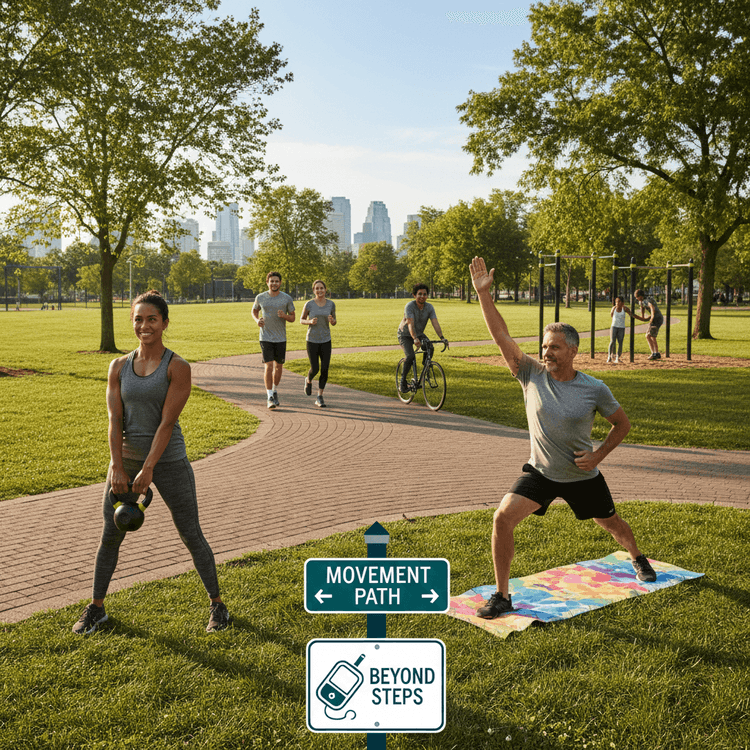
Are you diligently hitting your 10,000 steps every day, yet still feel like something's missing from your fitness routine, or perhaps not seeing the comprehensive results you anticipate? It's a remarkably common scenario, and this insightful post delves deep into why merely tracking steps, while undoubtedly a valuable starting point for many, might not be the entirely comprehensive health strategy you truly need to thrive. We're venturing boldly "Beyond 10,000 Steps" to meticulously explore a far more nuanced, scientifically supported, and ultimately effective approach to cultivating robust physical well-being. This isn't about dismissing your trusty step tracker entirely; rather, it's about understanding its inherent limitations and strategically expanding your horizons to embrace a richer tapestry of movement. Within these pages, we'll meticulously unpack the fascinating origins of the ubiquitous 10,000-step daily goal, revealing its historical context and critically examining why it became such an overwhelmingly popular benchmark across the globe. More importantly, we'll engage in a candid discussion about why simply accumulating a high volume of steps might not adequately address crucial, foundational aspects of your overall health, such as developing superior cardiovascular fitness, building essential muscle strength and endurance, enhancing vital flexibility and mobility, and fostering robust overall functional movement patterns. Prepare to discover compelling arguments for why the *quality*, the *intensity*, and the sheer *variety* of your physical activity often significantly outweigh mere quantitative measures, and how deliberately incorporating diverse movement patterns into your daily life can unlock a whole new level of vitality, resilience, and true physical capability. This essential post will meticulously guide you through the process of thoughtfully integrating indispensable components like progressive strength training, targeted mobility and flexibility work, and carefully calibrated cardiovascular exercises (including both steady-state and high-intensity interval training) that powerfully complement, and in many cases, profoundly surpass the isolated benefits of passive step accumulation. Learn how to keenly listen to the nuanced signals from your own unique body, personalize your fitness goals far beyond a generic, one-size-fits-all number, and assiduously build a sustainable, genuinely enjoyable, and deeply rewarding movement practice that truly serves your long-term health objectives. We'll furnish you with actionable insights, expert guidance, and practical tips for seamlessly diversifying your daily movement, ensuring you're not just moving more frequently, but crucially, moving *better*, more *purposefully*, and significantly more *effectively* for a truly holistic, enduring approach to wellness and longevity. It's time to step confidently beyond the conventional and wholeheartedly embrace a richer, more rewarding, and infinitely more effective path to profound physical health and unparalleled longevity.
Unlocking Peak Fitness: Why You Need More Than Just 10,000 Steps
For years, the magic number of 10,000 steps has been lauded as the gold standard for daily activity, a seemingly simple and achievable metric promising a pathway to better health. Many of us diligently track our progress, celebrating each time our trackers buzz with that triumphant achievement. Yet, despite consistently hitting this widely accepted benchmark, a nagging question often persists: why do we sometimes still feel as though our fitness routine is incomplete, or perhaps that our bodies aren't quite reaching their full potential? This isn't an uncommon sentiment; in fact, it's a profound indication that while accumulating steps is undoubtedly a valuable first step towards a more active lifestyle, it might not be the singular, comprehensive solution for unlocking truly peak physical well-being. True fitness transcends mere quantitative measures, demanding a more nuanced understanding of movement quality, intensity, and a rich tapestry of diverse physical challenges. To genuinely build robust cardiovascular health, develop essential muscular strength and endurance, enhance vital flexibility and mobility, and cultivate dynamic, functional movement patterns that support longevity, we must thoughtfully look beyond the passive accumulation of steps. It's time to explore a strategy that actively integrates progressive resistance training, targeted flexibility work, and intelligently varied cardiovascular efforts, acknowledging that the deliberate and purposeful engagement of our entire physical system is paramount. Only then can we move from simply being "active" to being truly fit, resilient, and capable of thriving in all aspects of life.
Unlocking True Fitness: The Limitations of Just Counting Your Steps
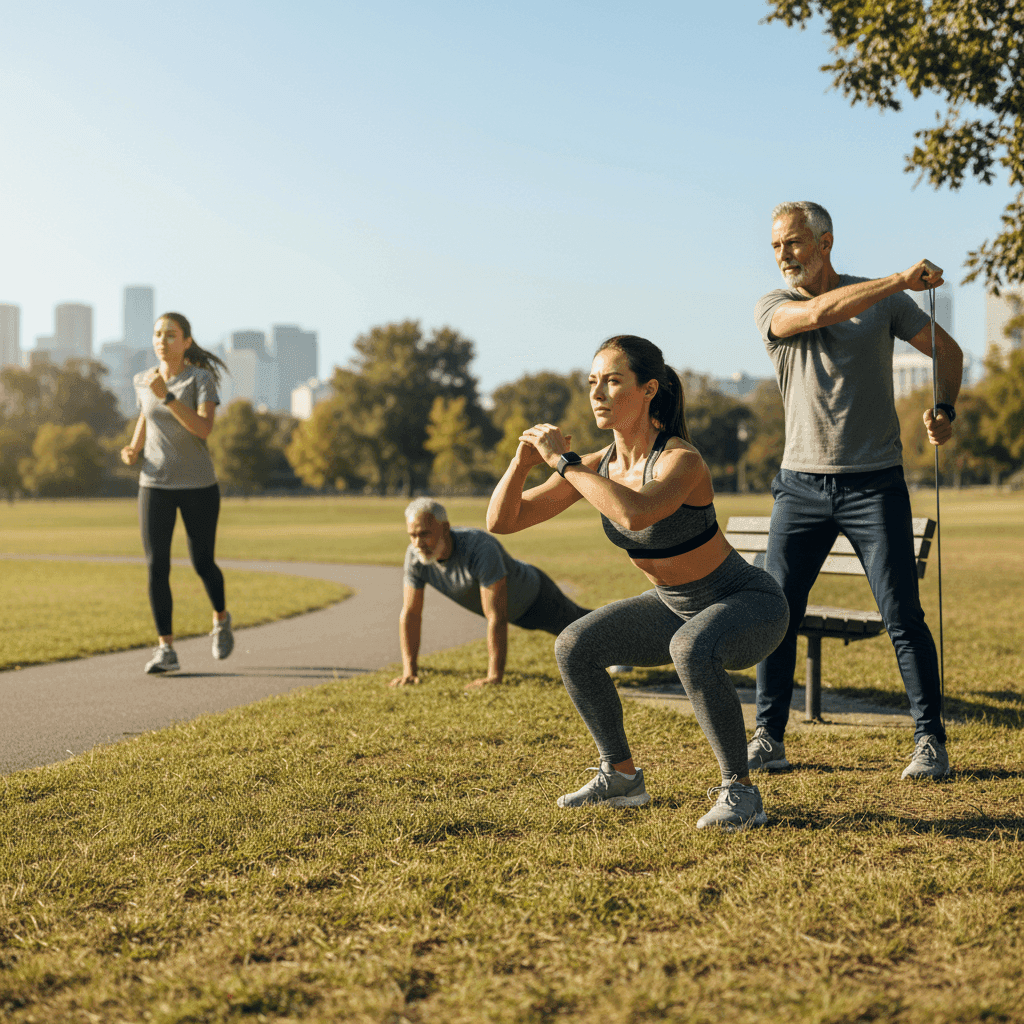
While the daily pursuit of 10,000 steps has undeniably served as a commendable catalyst for countless individuals to embrace a more active lifestyle, inspiring a foundational level of movement, it's imperative to critically examine its inherent limitations as a standalone prescription for truly comprehensive physical well-being. This widely adopted benchmark, often perceived as the zenith of daily activity, regrettably falls short in addressing several foundational pillars of robust health. Merely accumulating steps, irrespective of their intensity or the physiological demands they impose, frequently neglects the indispensable elements of progressive strength training, which is vital for building muscle mass, enhancing bone density, and boosting metabolic health. Similarly, the singular focus on step count often overlooks the crucial development of superior cardiovascular fitness, where varied intensities and sustained elevated heart rates are paramount for heart health and endurance, rather than just casual ambulation. Furthermore, the absence of dedicated attention to flexibility, balance, and mobility work leaves significant gaps, potentially increasing susceptibility to injury and hindering overall functional movement patterns essential for navigating daily life with ease and resilience. The step counter, while a valuable monitor of general activity, doesn't discern between a leisurely stroll and a brisk, heart-pumping power walk, nor does it register the complex multi-joint movements of a strength workout or the beneficial stretches that enhance range of motion. Therefore, to unlock true fitness, moving beyond this solitary metric to embrace a richer, more diversified tapestry of purposeful activity becomes not just beneficial, but absolutely essential for cultivating a truly resilient and vibrant body.

Jennifer Trimbee

Aug 19, 2025

0 reading now
What Causes Cysts and When to Worry
Cysts are fluid-filled sacs that can develop in various parts of the body, including the skin, ovaries, and internal organs. They are usually benign, meaning they are not cancerous, and are often caused by blockages in ducts, cell proliferation, or infections. Hormonal changes, genetic factors, and chronic inflammatory conditions can also contribute to cyst formation. While most cysts are harmless and may resolve on their own, some can become problematic if they grow large, cause pain, or become infected. It's important to monitor cysts and seek medical advice if they change in size, color, or sensation, or if they occur in conjunction with other symptoms.
Read more
Jennifer Trimbee
Aug 19, 2025

Disclaimer
This site offers information designed for educational purposes only. You should not rely on any information on this site as a substitute for professional medical advice, diagnosis, treatment, or as a substitute for, professional counseling care, advice, diagnosis, or treatment. If you have any concerns or questions about your health, you should always consult with a physician or other healthcare professional.


Discussion
0No comments yet
Be the first to share your thoughts on this article.