Gut-Brain Connection: How Your Microbiome Influences Your Mood
Your Health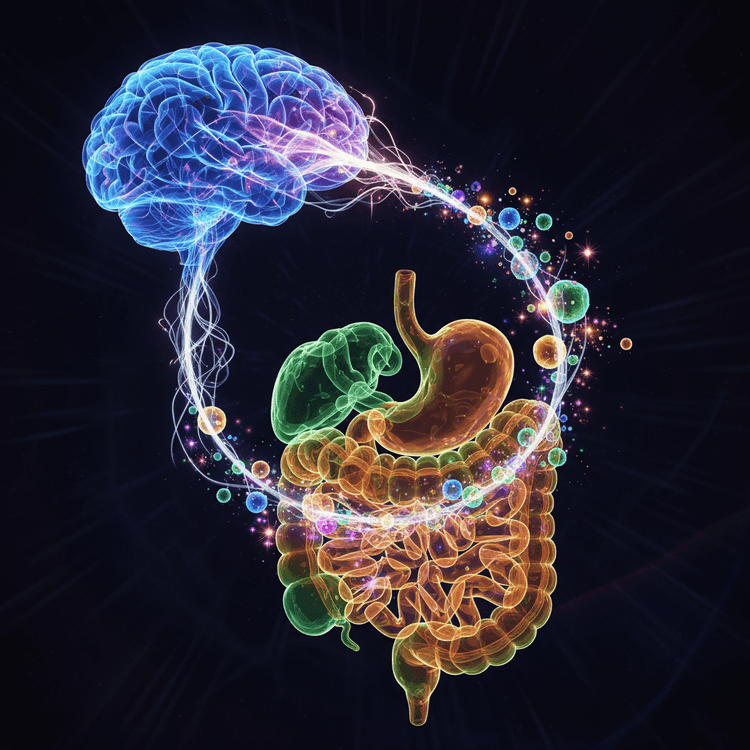
Explore the profound link between your gut health and mental well-being. Understand the gut-brain axis and how your microbiome can impact anxiety, stress, and happiness. This intricate biological highway, often referred to as the gut-brain axis, is a bidirectional communication system connecting your central nervous system to your enteric nervous system, the nervous system of your digestive tract. Far from being a mere digestive organ, your gut is a bustling ecosystem home to trillions of microorganisms collectively known as the gut microbiome. These tiny residents play a pivotal role in far more than just digestion; they are instrumental in synthesizing neurotransmitters, regulating inflammation, and even shaping your emotional landscape. When we consider the profound influence of the gut's microbial community on brain function, including critical aspects like serotonin production and the overall resilience of your mental well-being, it becomes clear that nurturing digestive health is not merely about physical comfort but is a fundamental pillar of psychological stability. Research increasingly highlights how imbalances in this internal ecosystem, such as dysbiosis, can manifest as mood disorders, affecting everything from daily stress management to more severe conditions like depression and anxiety. Understanding and optimizing this connection is crucial for anyone seeking holistic wellness, recognizing that what you feed your gut directly impacts your mind.
The Gut-Brain Axis: A Two-Way Communication Highway for Mood Regulation
The concept of the gut-brain axis is central to understanding the intimate connection between your digestive system and your emotional state. This sophisticated communication network operates through multiple pathways, ensuring constant dialogue between your enteric nervous system (ENS), often called the 'second brain,' and your central nervous system (CNS). One primary channel is the vagus nerve, a major neural superhighway that directly transmits signals from the gut to the brain and vice-versa. For instance, the gut is responsible for producing a significant portion, up to 90%, of the body's serotonin, a crucial neurotransmitter vital for regulating mood, sleep, appetite, and social behavior. An imbalance in gut flora can impair this production, directly influencing feelings of anxiety or depression. Moreover, the gut microbiome modulates the body's inflammatory response. Chronic low-grade inflammation, often originating in the gut due to factors like diet or stress, has been strongly linked to mood disorders. When the gut lining is compromised, allowing toxins and undigested food particles to enter the bloodstream, it triggers an immune response that can reach the brain, affecting neural pathways and neurotransmitter function. This intricate interplay underscores why maintaining a healthy gut environment is not just about avoiding digestive discomfort but is a proactive strategy for enhancing overall mental well-being and managing stress effectively.
Nurturing Your Gut Microbiome for Enhanced Mental Well-being
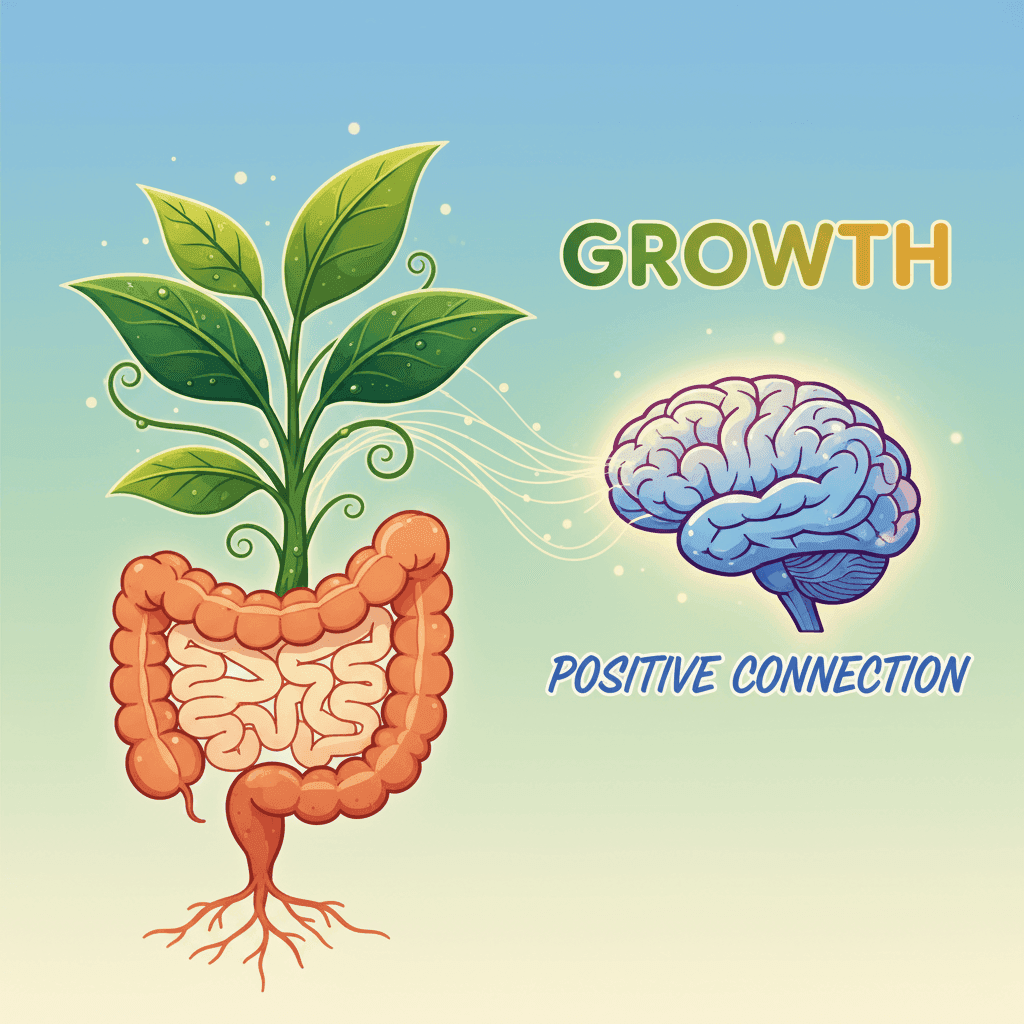
Given the profound impact of the gut microbiome on mood, actively nurturing its health is a powerful strategy for enhancing mental well-being. A diverse and balanced microbiome is key, and diet plays the most significant role. Incorporating a wide variety of plant-based foods rich in prebiotic fibers – such as fruits, vegetables, whole grains, and legumes – feeds beneficial gut bacteria, promoting their growth. Fermented foods like yogurt, kefir, kimchi, sauerkraut, and tempeh introduce beneficial live cultures (probiotics) directly into the gut, further enriching its ecosystem. Beyond diet, lifestyle factors are equally critical. Chronic stress is a known disruptor of gut integrity and microbial balance; therefore, implementing stress reduction techniques like mindfulness meditation, yoga, or regular physical activity can significantly benefit both gut health and mood. Adequate sleep, ideally 7-9 hours per night, also supports a healthy gut environment, as sleep deprivation can negatively alter the microbiome. Furthermore, staying hydrated and limiting processed foods, excessive sugar, and artificial sweeteners can prevent dysbiosis and reduce inflammation. By consistently adopting these practices, individuals can proactively support their digestive health, leading to tangible improvements in their emotional resilience, clarity of thought, and overall mood, reinforcing the idea that a happy gut often translates to a happier mind.

Discussion
No comments yet
Be the first to share your opinion!

Jennifer Trimbee

Aug 19, 2025

0 reading now
What Causes Cysts and When to Worry
Cysts are fluid-filled sacs that can develop in various parts of the body, including the skin, ovaries, and internal organs. They are usually benign, meaning they are not cancerous, and are often caused by blockages in ducts, cell proliferation, or infections. Hormonal changes, genetic factors, and chronic inflammatory conditions can also contribute to cyst formation. While most cysts are harmless and may resolve on their own, some can become problematic if they grow large, cause pain, or become infected. It's important to monitor cysts and seek medical advice if they change in size, color, or sensation, or if they occur in conjunction with other symptoms.
Read more
Jennifer Trimbee
Aug 19, 2025
Disclaimer
This site offers information designed for educational purposes only. You should not rely on any information on this site as a substitute for professional medical advice, diagnosis, treatment, or as a substitute for, professional counseling care, advice, diagnosis, or treatment. If you have any concerns or questions about your health, you should always consult with a physician or other healthcare professional.