
Happy Gut, Happy Life: The Surprising Link Between Digestion & Mood
Your Health
Are you constantly battling mood swings, anxiety, persistent feelings of low energy, or a general sense of unease, finding that traditional approaches aren't quite hitting the mark? What if the secret to a brighter mood, enhanced mental clarity, and improved emotional resilience wasn't solely found in your head, but deeply intertwined with the bustling, complex ecosystem residing within your gut? In this groundbreaking exploration, we delve into the profound and increasingly recognized scientific connection between "Your Gut, Your Mood." Prepare to unlock the mysteries of the gut-brain axis, a bidirectional communication superhighway that dictates far more of your emotional landscape and cognitive function than you might ever have imagined. We'll uncover how the trillions of microorganisms inhabiting your digestive tract, collectively known as the gut microbiome, are not just passive residents but active participants in manufacturing crucial neurotransmitters like serotonin, often dubbed the "happiness hormone," and dopamine. A balanced, diverse, and thriving gut flora can be a powerful ally in stabilizing emotions, reducing stress responses, improving sleep quality, and even alleviating symptoms of chronic depression and anxiety. Conversely, an imbalanced microbiome, often referred to as dysbiosis, can contribute to chronic inflammation throughout the body, hinder nutrient absorption, and trigger a cascade of biochemical events that negatively impact your mental well-being, leaving you feeling foggy, irritable, overwhelmed, or generally unwell. This comprehensive post isn't just about understanding the intricate science; it's about empowering you with actionable insights and practical strategies. We'll explore effective ways to nurture a healthy gut, from embracing prebiotic-rich foods and thoughtfully incorporating beneficial probiotics into your daily diet, to understanding the profound impact of chronic stress on gut integrity and simple, yet powerful, lifestyle adjustments that can make a world of difference. Discover which specific foods support a thriving gut microbiome and which ones might be unknowingly sabotaging your mood. Learn about the latest research on how certain microbial strains can influence cognitive function, boost resilience to stress, and enhance overall emotional stability. If you're ready to take a holistic, evidence-based approach to your mental health and explore a path less traveled yet profoundly effective, join us as we navigate the intricate, fascinating world where your digestive health directly shapes your emotional state and outlook on life. This isn't just a post; it's an invitation to transform your well-being from the inside out, fostering a happier, healthier you.
Your Gut, Your Mood: Unraveling the Gut-Brain Connection
Are you constantly battling mood swings, anxiety, persistent feelings of low energy, or a general sense of unease, finding that traditional approaches aren't quite hitting the mark? What if the secret to a brighter mood, enhanced mental clarity, and improved emotional resilience wasn't solely found in your head, but deeply intertwined with the bustling, complex ecosystem residing within your gut? In this groundbreaking exploration, we delve into the profound and increasingly recognized scientific connection between "Your Gut, Your Mood," preparing to unlock the mysteries of the gut-brain axis, a bidirectional communication superhighway that dictates far more of your emotional landscape and cognitive function than you might ever have imagined. We'll uncover how the trillions of microorganisms inhabiting your digestive tract, collectively known as the gut microbiome, are not just passive residents but active participants in manufacturing crucial neurotransmitters like serotonin, often dubbed the "happiness hormone," and dopamine. A balanced, diverse, and thriving gut flora can be a powerful ally in stabilizing emotions, reducing stress responses, and even alleviating symptoms of chronic depression and anxiety. Conversely, an imbalanced microbiome, or dysbiosis, can trigger a cascade of biochemical events that negatively impact your mental well-being, leaving you feeling foggy, irritable, or overwhelmed. This intricate connection reveals that your gut health directly shapes your emotional state and outlook on life, offering a holistic path to well-being from the inside out.
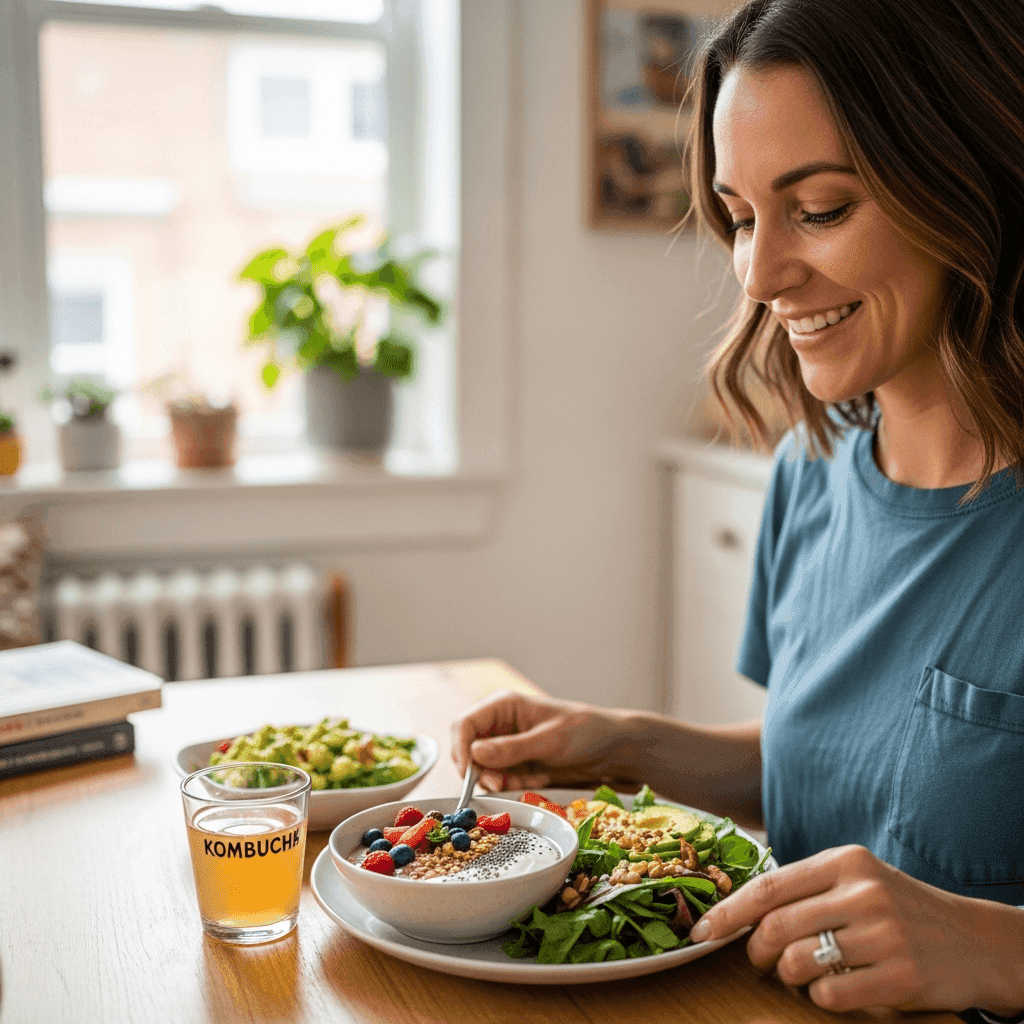
Unlocking the Gut-Brain Secret to a Happier You: Your Mood's Hidden Link
Are you continually grappling with mood swings, a persistent cloud of anxiety, or a chronic depletion of energy, feeling that conventional approaches barely scratch the surface of your discomfort? What if the key to unlocking a more vibrant mood, sharper mental clarity, and profound emotional resilience wasn't solely nestled within the confines of your skull, but deeply embedded in the bustling, intricate world flourishing within your digestive system? This revelation forms the core of "Your Gut, Your Mood," a groundbreaking exploration into one of the most compelling scientific discoveries of our time: the profound, bidirectional connection between your gut and your brain. Imagine a superhighway of communication, known as the gut-brain axis, where trillions of microscopic inhabitants in your digestive tract, collectively termed the gut microbiome, aren't just processing food but are actively participating in the very chemistry of your emotions. These microbial allies are instrumental in synthesizing vital neurotransmitters like serotonin, often celebrated as the 'happiness hormone,' and dopamine, directly influencing everything from your daily disposition to your capacity for stress resilience and sleep quality. Conversely, an imbalanced microbiome, or dysbiosis, can trigger systemic inflammation, impede nutrient absorption, and unleash a cascade of biochemical events that leave you feeling foggy, irritable, overwhelmed, or generally unwell, unknowingly sabotaging your mental well-being from within. This hidden link between your digestive health and your emotional state offers a transformative perspective, inviting you to discover how nurturing your gut can fundamentally reshape your mental landscape, paving the way for a happier, healthier you from the inside out.


Jennifer Trimbee

Aug 19, 2025

0 reading now
What Causes Cysts and When to Worry
Cysts are fluid-filled sacs that can develop in various parts of the body, including the skin, ovaries, and internal organs. They are usually benign, meaning they are not cancerous, and are often caused by blockages in ducts, cell proliferation, or infections. Hormonal changes, genetic factors, and chronic inflammatory conditions can also contribute to cyst formation. While most cysts are harmless and may resolve on their own, some can become problematic if they grow large, cause pain, or become infected. It's important to monitor cysts and seek medical advice if they change in size, color, or sensation, or if they occur in conjunction with other symptoms.
Read more
Jennifer Trimbee
Aug 19, 2025
Disclaimer
This site offers information designed for educational purposes only. You should not rely on any information on this site as a substitute for professional medical advice, diagnosis, treatment, or as a substitute for, professional counseling care, advice, diagnosis, or treatment. If you have any concerns or questions about your health, you should always consult with a physician or other healthcare professional.

Discussion
9I've always felt there was a connection between my digestion and how I feel overall, but this really spells it out clearly.
I’ve always assumed my anxiety was purely psychological. This makes me seriously reconsider that, looking at my gut.
It’s empowering to think I could improve my mood by focusing on something as tangible as gut health. I’m definitely looking into this more.
Wow, I never actually put it together how much my mood shifts after certain meals. This explains so much.
I've noticed I'm so much more irritable when my stomach is off. It's crazy how directly connected our gut is to our patience.