
Gut Feelings: How Your Microbiome Shapes Your Mood
Your Health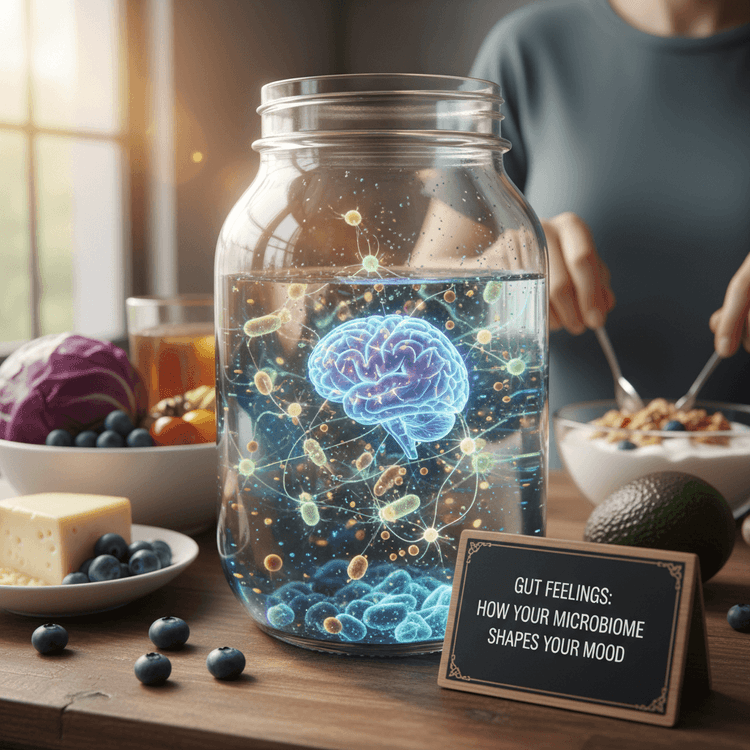
Have you ever considered the profound, often overlooked, connection between the complex ecosystem thriving within your gut and the very essence of your emotional and mental well-being? In a world increasingly recognizing holistic health, the intricate relationship between 'Your Gut, Your Mood' stands out as a critical pillar for achieving genuine vitality. This insightful post delves deep into the fascinating universe of the gut-brain axis, a bidirectional communication highway that constantly relays information between your digestive system and your brain, influencing everything from your daily stress response to your long-term emotional resilience. It's a connection so fundamental, yet often underestimated, shaping our daily experience in ways we are only beginning to fully comprehend. We'll uncover how the billions of microorganisms residing in your intestines—your microbiome—aren't just passive residents but active participants in manufacturing essential neurotransmitters like serotonin, often dubbed the 'happy hormone,' with a staggering percentage produced right there in your gut. This revelation alone underscores the immense power your digestive tract holds over your mental state. Explore the compelling science behind how an imbalanced gut microbiome, a condition known as dysbiosis, can contribute significantly to feelings of anxiety, depression, irritability, and even persistent brain fog, making a direct and undeniable case for why persistent digestive discomfort often correlates with severe mood disturbances. Conversely, discover how nurturing a diverse and healthy gut flora through mindful choices can act as a powerful buffer against stress, enhance cognitive function, sharpen focus, and foster a greater, more consistent sense of calm, happiness, and emotional stability. This comprehensive guide will illuminate practical, evidence-based strategies to optimize your gut health, offering actionable steps you can integrate seamlessly into your daily life. From understanding the profound impact of dietary choices – distinguishing clearly between gut-friendly foods that promote balance and those that disrupt it – to exploring the crucial roles of probiotics, prebiotics, and fermented foods, you'll gain invaluable knowledge to cultivate a thriving inner ecosystem. We'll also touch upon often-neglected lifestyle factors such as effective stress management techniques, the undeniable importance of quality sleep, and the benefits of regular physical activity in maintaining this delicate and dynamic balance. Prepare to fundamentally transform your understanding of well-being, realizing that by tending meticulously to your gut, you're not just improving digestion or alleviating physical discomfort, but actively and powerfully investing in a brighter, more stable mood, enhanced cognitive clarity, and an overall profoundly enhanced quality of life. Embrace the incredible power residing within your belly to unlock a happier, healthier, and more emotionally resilient you.
The Gut-Brain Axis: Your Microbiome's Link to Mood & Mind
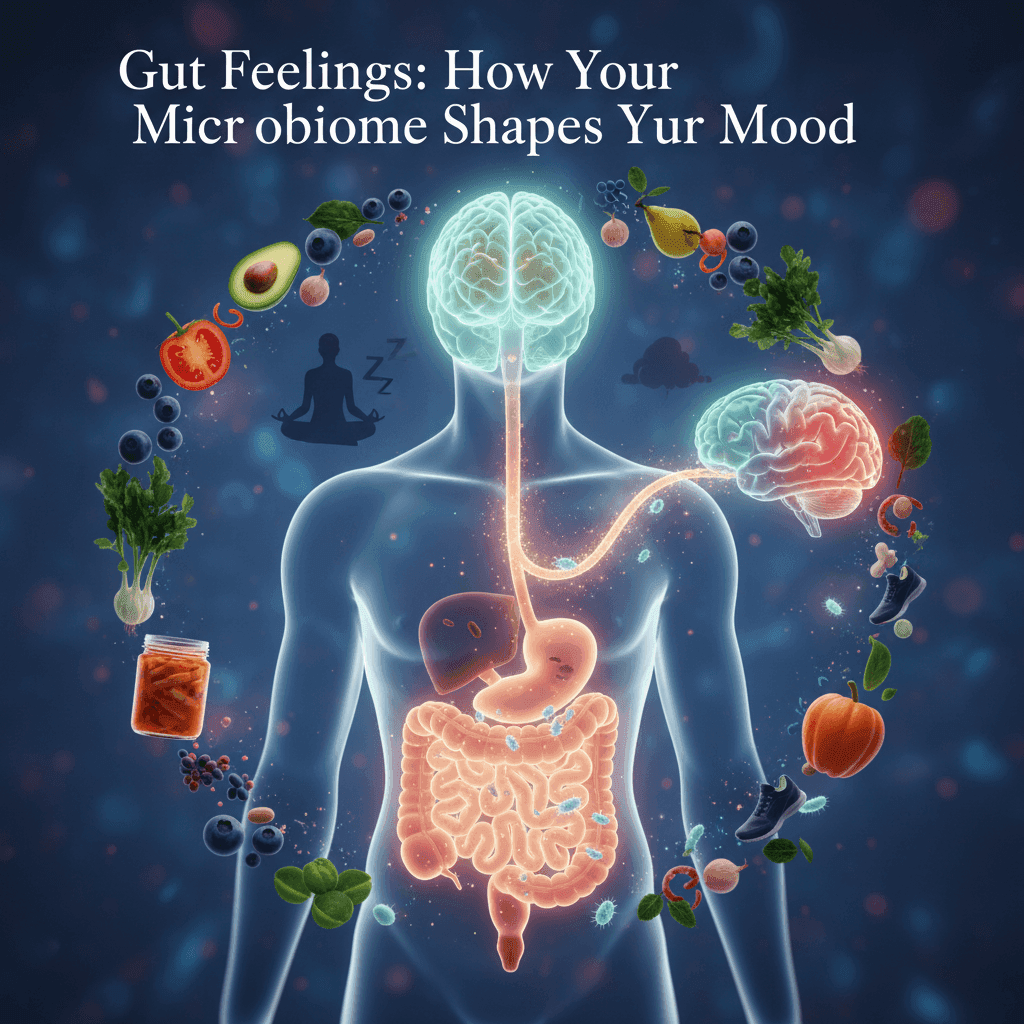
The intricate dance between your gut and your brain is orchestrated through a complex, bidirectional communication highway known as the gut-brain axis, a critical nexus that profoundly influences your emotional and mental landscape. This fascinating connection reveals that the trillions of microorganisms residing in your intestines, collectively known as your microbiome, are far from passive inhabitants; instead, they are active participants in shaping your mood and cognitive function. A significant revelation is their astonishing role in manufacturing essential neurotransmitters, like the "happy hormone" serotonin, with a staggering percentage produced right there in your digestive system, underscoring the immense power your gut holds over your mental state. When this delicate inner ecosystem falls out of balance, a condition termed dysbiosis, the consequences can reverberate directly through your emotional well-being, manifesting as heightened feelings of anxiety, persistent depression, irritability, and even disruptive brain fog. Conversely, fostering a diverse and healthy gut flora through mindful dietary choices and lifestyle adjustments acts as a robust protective buffer against daily stressors, sharpens cognitive function, enhances focus, and cultivates a deeper, more consistent sense of calm, happiness, and overall emotional resilience. Understanding and nurturing this fundamental connection is not merely about improving digestion; it's a powerful and direct investment in a brighter, more stable mood, superior mental clarity, and an authentically enhanced quality of life, transforming our understanding of well-being from the inside out.
Your Gut, Your Mood: The Critical Connection to Mental Health
Have you ever truly considered the profound, often overlooked, connection between the intricate ecosystem flourishing within your gut and the very essence of your emotional and mental well-being? In an era increasingly dedicated to holistic health, the paradigm of "Your Gut, Your Mood" emerges as an undeniably critical pillar for achieving genuine vitality and sustained psychological balance. This fascinating relationship is governed by the gut-brain axis, a sophisticated, bidirectional communication highway that ceaselessly transmits information between your digestive system and your brain, fundamentally influencing everything from your daily stress response to your long-term emotional resilience. It's a connection so fundamental, yet frequently underestimated, shaping our daily experience in ways we are only just beginning to fully comprehend. The billions of microorganisms residing in your intestines, collectively known as your microbiome, are not merely passive inhabitants; they are active, indispensable participants in the manufacturing of vital neurotransmitters like serotonin, often celebrated as the "happy hormone," with a staggering percentage produced right within your gut. This revelation alone underscores the immense power your digestive tract wields over your mental state. Consequently, an imbalanced gut microbiome, a condition scientifically termed dysbiosis, can significantly contribute to debilitating feelings of anxiety, persistent depression, heightened irritability, and even pervasive brain fog, thereby establishing a direct and undeniable link between persistent digestive discomfort and severe mood disturbances. Conversely, proactively nurturing a diverse and robust gut flora through mindful dietary and lifestyle choices can serve as a powerful biological buffer against chronic stress, significantly enhance cognitive function, sharpen mental focus, and cultivate a greater, more consistent sense of calm, happiness, and profound emotional stability. Ultimately, understanding and optimizing this vital gut-brain link is not merely about improving digestion; it is a powerful investment in a brighter, more stable mood, superior cognitive clarity, and an overall profoundly enhanced quality of life, empowering you to unlock a happier, healthier, and more emotionally resilient self.


Jennifer Trimbee

Aug 19, 2025

0 reading now
What Causes Cysts and When to Worry
Cysts are fluid-filled sacs that can develop in various parts of the body, including the skin, ovaries, and internal organs. They are usually benign, meaning they are not cancerous, and are often caused by blockages in ducts, cell proliferation, or infections. Hormonal changes, genetic factors, and chronic inflammatory conditions can also contribute to cyst formation. While most cysts are harmless and may resolve on their own, some can become problematic if they grow large, cause pain, or become infected. It's important to monitor cysts and seek medical advice if they change in size, color, or sensation, or if they occur in conjunction with other symptoms.
Read more
Jennifer Trimbee
Aug 19, 2025
Disclaimer
This site offers information designed for educational purposes only. You should not rely on any information on this site as a substitute for professional medical advice, diagnosis, treatment, or as a substitute for, professional counseling care, advice, diagnosis, or treatment. If you have any concerns or questions about your health, you should always consult with a physician or other healthcare professional.

Discussion
0No comments yet
Be the first to share your thoughts on this article.