The Hidden Side Effects of MCT Oil
Lifestyle and Welness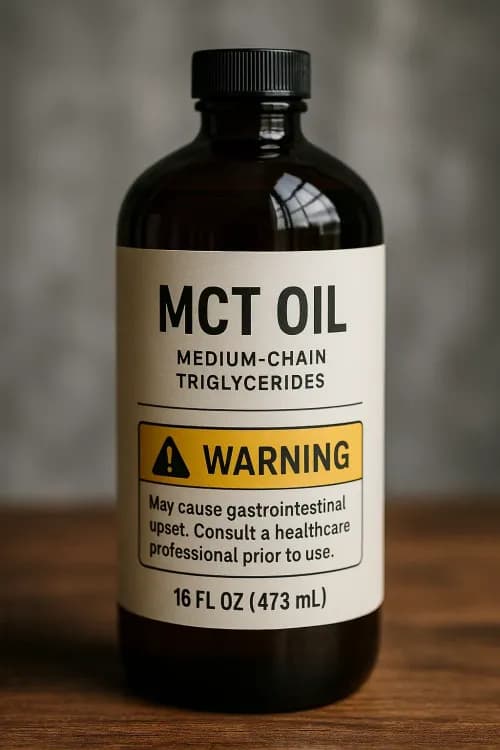
Medium-chain triglycerides (MCT) oil has gained popularity in recent years as a supplement for weight loss, energy enhancement, and cognitive improvement. However, like any supplement, MCT oil comes with its own set of side effects that are often overlooked in the face of its touted benefits. Many users may experience digestive discomfort, with symptoms such as diarrhea, stomach cramps, and bloating being common, especially when first introducing the oil into their diet. This occurs because MCT oil is rapidly metabolized, which can overwhelm the digestive system if not introduced gradually. Additionally, some individuals may experience an increase in cholesterol levels, despite MCT oil's reputation for being heart-healthy. This paradoxical effect can be attributed to the fact that while MCTs can increase good cholesterol (HDL), they also have the potential to raise bad cholesterol (LDL) in certain individuals. It is crucial for consumers to be aware of these potential side effects and to monitor their body's response to MCT oil carefully.
Digestive Issues and Their Management
Digestive issues are among the most common side effects reported by MCT oil users. When consumed in large amounts or when starting out, the oil can cause diarrhea, stomach cramps, and bloating. These symptoms are primarily due to the body's adaptation process to the rapid absorption and metabolism of MCTs. To minimize these effects, it is recommended to start with a small dose and gradually increase the intake, allowing the digestive system to adjust over time. Additionally, consuming MCT oil with food can help slow down the absorption rate, reducing the likelihood of gastrointestinal discomfort. It's important for users to listen to their bodies and adjust their dosage accordingly, as tolerance levels can vary significantly from person to person. For some, switching to a powdered form of MCT oil might also alleviate digestive issues, as it is often easier on the stomach.

Impact on Cholesterol Levels
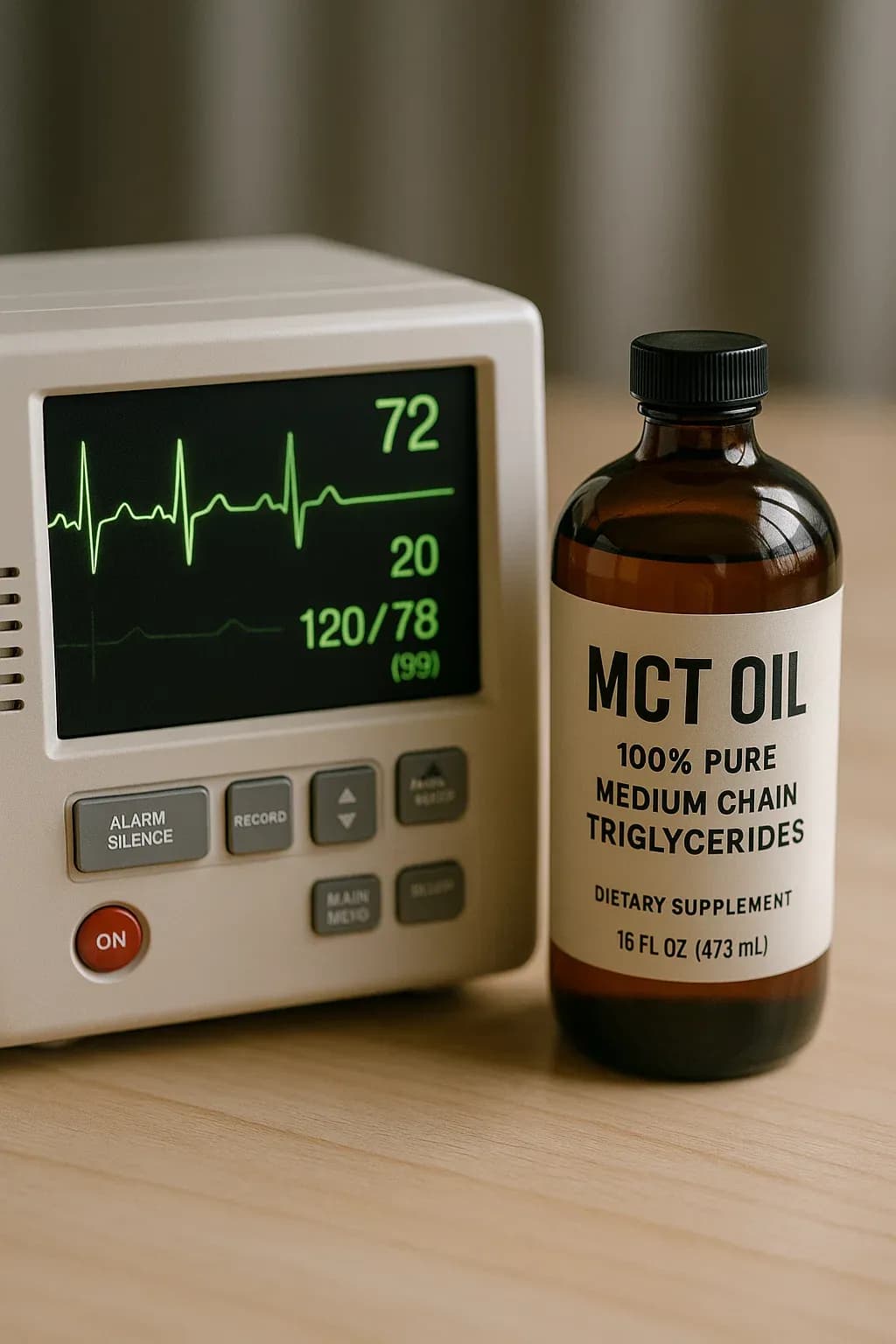
While MCT oil is often praised for its potential heart health benefits, it can have unexpected effects on cholesterol levels. Some studies suggest that MCT oil can increase levels of LDL cholesterol in certain individuals, even as it raises HDL cholesterol. This can be particularly concerning for those with existing high cholesterol problems or a family history of heart disease. Therefore, it is essential for users to have their cholesterol levels monitored regularly when incorporating MCT oil into their diet. Consulting with a healthcare professional before starting MCT oil, especially for those with a history of cholesterol issues, can help mitigate potential risks. Users should aim for a balanced approach, incorporating a diet rich in fruits, vegetables, and whole grains to support overall heart health while enjoying the potential cognitive and energy-boosting benefits of MCT oil.
Discussion
No comments yet
Be the first to share your opinion!

Jennifer Trimbee

Aug 19, 2025

0 reading now
What Causes Cysts and When to Worry
Cysts are fluid-filled sacs that can develop in various parts of the body, including the skin, ovaries, and internal organs. They are usually benign, meaning they are not cancerous, and are often caused by blockages in ducts, cell proliferation, or infections. Hormonal changes, genetic factors, and chronic inflammatory conditions can also contribute to cyst formation. While most cysts are harmless and may resolve on their own, some can become problematic if they grow large, cause pain, or become infected. It's important to monitor cysts and seek medical advice if they change in size, color, or sensation, or if they occur in conjunction with other symptoms.
Read more
Jennifer Trimbee
Aug 19, 2025

Disclaimer
This site offers information designed for educational purposes only. You should not rely on any information on this site as a substitute for professional medical advice, diagnosis, treatment, or as a substitute for, professional counseling care, advice, diagnosis, or treatment. If you have any concerns or questions about your health, you should always consult with a physician or other healthcare professional.