
Back Pain Relief: Simple Habits for a Happier Spine
Diseases and Conditions
You know the drill: you bend to pick up a fallen pen, hoist a grocery bag, or simply stand after a long meeting, and there it is – that familiar twinge or dull ache that's become an uninvited guest. It's not just a momentary nuisance; often, it's the quiet background music to our active, demanding lives, subtly reminding us of every ergonomic compromise we make or skipped stretch. So, how do we push back against this persistent discomfort and offer our hardworking spines a little more kindness? Here, we'll dive into practical, everyday habits for back pain relief – small shifts in how you move, sit, and even sleep – that you can begin applying this very week, helping you reclaim comfort without a complete lifestyle overhaul. Of course, this advice is for general informational purposes, and we always recommend consulting your doctor for personalized medical guidance.
Why Your Back Whispers (or Shouts) with Discomfort
Ever felt a sudden twinge bending to tie your shoes, or woken up stiff? That whisper, or shout, from your back isn't a mystery. Our spines are incredible, designed for dynamic movement, yet modern life means long hours hunched or sitting still. This stresses discs and muscles keeping us upright. Lack of movement or poor posture weakens supporting muscles, causing other parts to compensate and tighten. Your back signals: "I need more balanced attention!" Your back isn't broken; it's feeling neglected. It thrives on gentle, varied movement and consistent support. Acknowledging this is key to feeling better. Simply noticing your posture now, or taking a quick standing break, is powerful. While this offers general insights, chat with your doctor about persistent pain. This week, tune in to those signals. Noticing where you slouch or need a gentle stretch provides valuable clues. Understanding why your back complains helps us realize it's no puzzle. Next, we’ll explore habits that can turn these whispers into a comfortable hum for your spine.

Real-World Tips for Daily Back Pain Relief
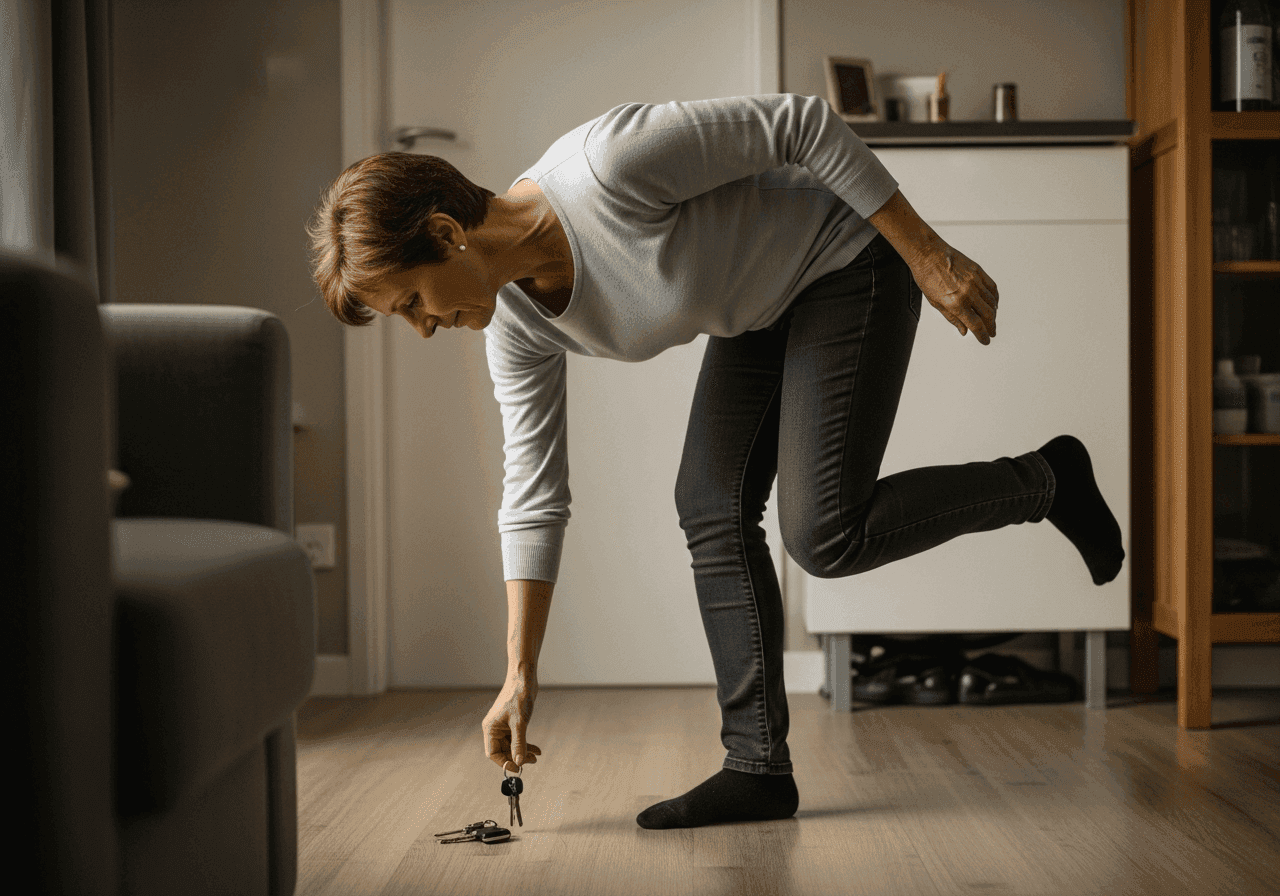
Ever dropped your keys and felt that familiar dread before bending down? It’s a common moment where many of us risk a fresh twinge. Instead of just folding yourself like a letter, try a safer way to retrieve things from the floor. Next time, stand near the object, put one leg back behind you for balance (imagine a kickstand), and hinge at your hips, keeping your back mostly straight as you reach. This "golfer's lift" protects your lower back by using your strong leg muscles. If that feels too tricky, a mini-squat works: feet shoulder-width, chest up, and bend at your knees as if to sit, keeping your core gently engaged. These new movements might feel a bit clunky or over-thought initially. It’s about building new muscle memory, not just for heavy lifting, but for all those everyday bends. Consider it an investment in your spine's long-term health. Remember, these tips are for general well-being; if you’re experiencing persistent or sharp pain, always check in with a doctor or physical therapist for personalized advice. Making small, mindful shifts truly adds up. Your back isn't asking for a full gym workout, just a little thoughtful attention. Give it that, and you'll find those everyday movements feel a whole lot easier and happier.

Jennifer Trimbee

Aug 19, 2025

0 reading now
10 General Symptoms of Personality Disorder
Personality disorders are complex mental health conditions that significantly impact how individuals perceive themselves and others, often leading to difficulties in daily functioning. These disorders typically manifest in adolescence or early adulthood and can persist for many years. Understanding the general symptoms can be crucial for seeking appropriate treatment and support. Symptoms of personality disorders often include an enduring pattern of inner experience and behavior that deviates markedly from the expectations of the individual's culture. This pattern is pervasive and inflexible, leading to distress or impairment in personal, social, and occupational situations. These symptoms are typically grouped into categories such as cognitive, emotional, interpersonal, and impulse control problems. It is important to remember that while these symptoms can guide towards a diagnosis, a qualified mental health professional should conduct a comprehensive assessment to determine the presence of a personality disorder.
Read more
Jennifer Trimbee
Disclaimer
This site offers information designed for educational purposes only. You should not rely on any information on this site as a substitute for professional medical advice, diagnosis, treatment, or as a substitute for, professional counseling care, advice, diagnosis, or treatment. If you have any concerns or questions about your health, you should always consult with a physician or other healthcare professional.



Discussion
1Totally get the 'uninvited guest' feeling. My lower back has been that for years, especially after long drives.