
Unlocking the Gut-Brain Axis: Your Body's Powerful Second Brain.
Your Health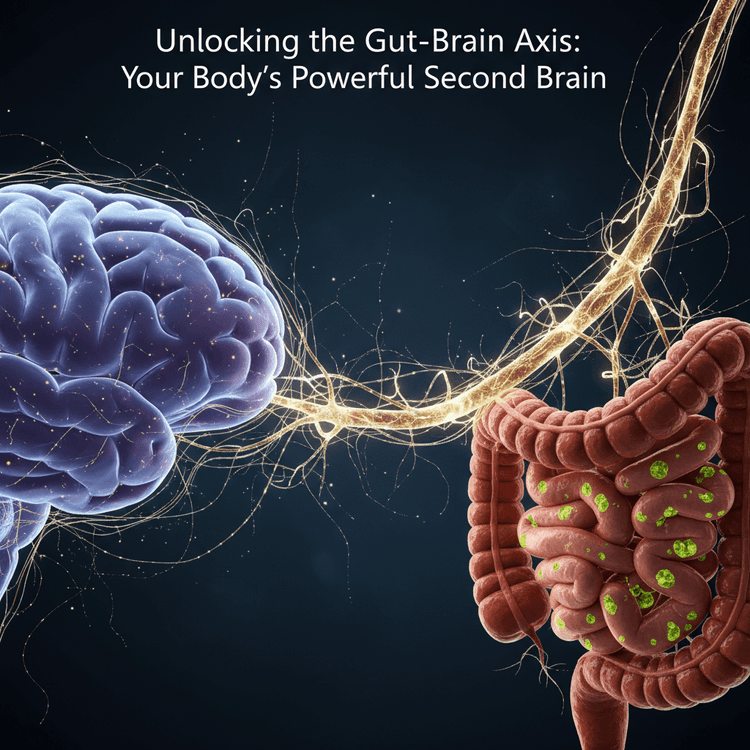
Delve into the fascinating world of your enteric nervous system (ENS), often hailed as "Your Gut's Second Brain." This intricate network of neurons, nestled within the walls of your digestive tract, operates with astonishing independence, yet maintains a profound connection with your central nervous system. Far from merely processing food, this remarkable system plays a pivotal role in regulating not only digestion but also your mood, immunity, and overall mental well-being. Have you ever experienced "gut feelings" or butterflies in your stomach during moments of stress or excitement? These aren't just figures of speech; they are tangible manifestations of the ENS at work, constantly exchanging vital information with your brain via the vagus nerve and a complex interplay of neurotransmitters. In this illuminating post, we'll unravel the mysteries behind this incredible internal communication highway. We'll explore how the composition of your gut microbiome directly influences the health and function of your ENS, impacting everything from nutrient absorption to serotonin production – a key neurotransmitter often associated with happiness and well-being. Understand why maintaining a balanced gut flora is paramount, not just for digestive comfort, but for fostering mental clarity and emotional resilience. We'll discuss cutting-edge research linking gut health to various neurological conditions and mental health challenges, shedding light on the bidirectional nature of this powerful axis. Prepare to discover practical insights and actionable strategies to nourish your gut and, in turn, fortify your "second brain," paving the way for improved health, heightened mood, and a deeper understanding of the sophisticated intelligence residing within you. This is more than just digestion; it's about unlocking a fundamental secret to holistic wellness.
Unraveling the Gut's Second Brain: More Than Just Digestion
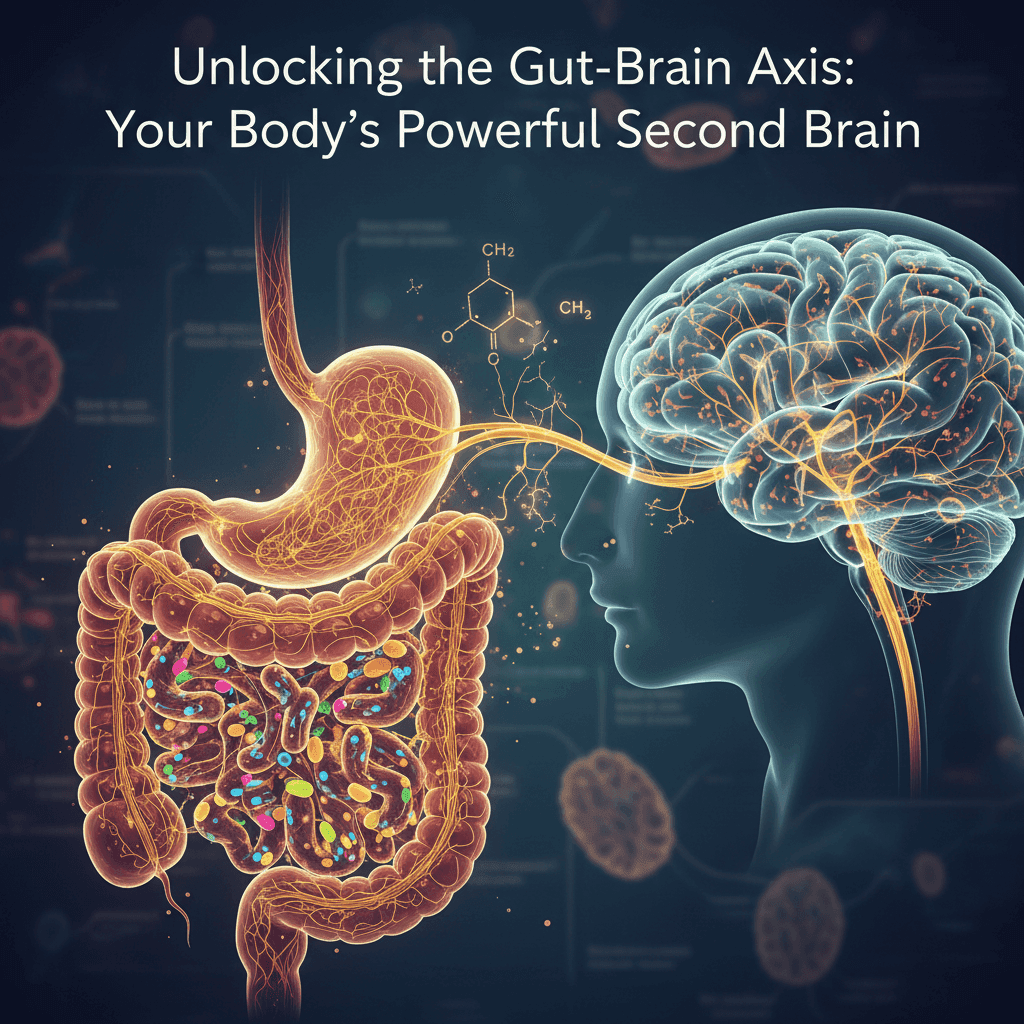
Often hailed as "Your Gut's Second Brain," the enteric nervous system (ENS) is a marvel of biological engineering, an intricate network of hundreds of millions of neurons woven into the walls of your digestive tract. Far from being a mere passive participant in the breakdown of food, this sophisticated system operates with astonishing autonomy, orchestrating the complex dance of digestion, absorption, and waste elimination. Yet, its influence extends profoundly beyond the confines of nutrient processing, forming a vital, bidirectional communication highway with your central nervous system. This constant exchange of information, facilitated by the bustling vagus nerve and a symphony of neurotransmitters like serotonin and dopamine, profoundly impacts not only your physical health but also your emotional landscape, cognitive function, and even your immune responses. Have you ever experienced that inexplicable knot in your stomach before a big presentation or a surge of excitement that seems to originate from deep within your core? These visceral "gut feelings" are not mere metaphors; they are tangible signals from your ENS, vividly demonstrating its profound role in shaping your mood, stress responses, and overall mental well-being. The intricate connection between your gut microbiome – the trillions of microorganisms residing within you – and the health and function of your ENS is a cutting-edge area of research, revealing how these tiny inhabitants directly influence everything from nutrient absorption to the production of crucial neurochemicals. Maintaining a diverse and balanced gut flora is therefore paramount, not just for digestive comfort, but for fostering mental clarity, emotional resilience, and a robust immune system. Understanding this powerful gut-brain axis unlocks a fundamental secret to holistic wellness, inviting us to nurture this internal intelligence for a healthier, happier life.
Beyond Digestion: Your Gut's Second Brain and Holistic Wellness
While traditionally seen as merely a processing plant for nutrients, the intricate network of neurons nestled within your digestive tract, known as the enteric nervous system (ENS), is rapidly gaining recognition as "Your Gut's Second Brain" – an astonishingly complex system whose influence extends far beyond the stomach. Operating with remarkable autonomy, yet in constant, profound dialogue with your central nervous system via the vagus nerve and a sophisticated array of neurotransmitters, the ENS plays a pivotal, often underestimated, role in orchestrating your overall health. It's the silent architect behind those instinctive 'gut feelings' and the butterflies that flutter during moments of stress or excitement, demonstrating its deep involvement in emotional regulation. Beyond its primary digestive functions, this incredible internal communication highway directly impacts your mood, bolsters your immune system, and profoundly shapes your mental well-being. The intricate balance of your gut microbiome, in particular, emerges as a critical determinant of ENS health and function, influencing everything from nutrient absorption to the critical production of serotonin, a neurotransmitter synonymous with happiness. Understanding and nurturing this bidirectional axis between your gut and brain is not just about optimizing digestive comfort; it's about unlocking a fundamental secret to holistic wellness, fostering mental clarity, emotional resilience, and a deeper appreciation for the sophisticated intelligence that resides within you, truly making your gut an indispensable partner in your journey towards comprehensive health.

Jennifer Trimbee

Aug 19, 2025

0 reading now
What Causes Cysts and When to Worry
Cysts are fluid-filled sacs that can develop in various parts of the body, including the skin, ovaries, and internal organs. They are usually benign, meaning they are not cancerous, and are often caused by blockages in ducts, cell proliferation, or infections. Hormonal changes, genetic factors, and chronic inflammatory conditions can also contribute to cyst formation. While most cysts are harmless and may resolve on their own, some can become problematic if they grow large, cause pain, or become infected. It's important to monitor cysts and seek medical advice if they change in size, color, or sensation, or if they occur in conjunction with other symptoms.
Read more
Jennifer Trimbee
Aug 19, 2025
Disclaimer
This site offers information designed for educational purposes only. You should not rely on any information on this site as a substitute for professional medical advice, diagnosis, treatment, or as a substitute for, professional counseling care, advice, diagnosis, or treatment. If you have any concerns or questions about your health, you should always consult with a physician or other healthcare professional.

Discussion
0No comments yet
Be the first to share your thoughts on this article.