
Recognizing and Managing Peripheral Artery Disease
Diseases and Conditions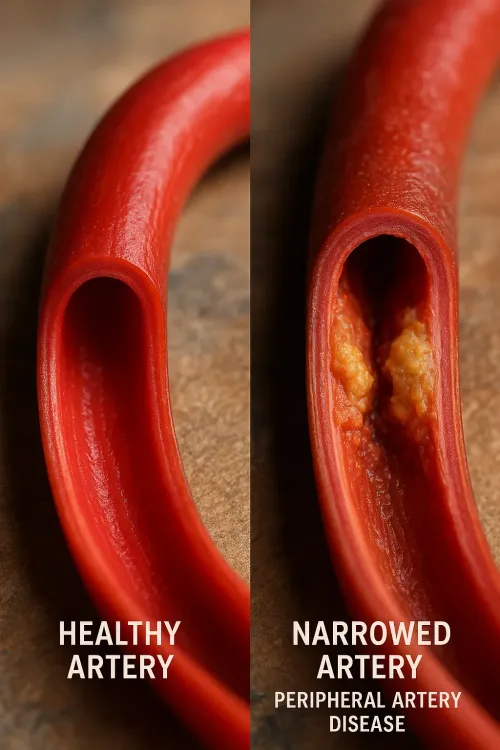
Peripheral artery disease (PAD) is a common circulatory problem in which narrowed arteries reduce blood flow to the limbs. This condition can cause significant discomfort, and if left untreated, it can lead to severe complications such as limb amputation. Understanding the symptoms and methods of managing PAD is essential for improving patient outcomes. Recognizing PAD early can be challenging because its symptoms are often subtle and can be mistaken for other conditions. The most common symptom is intermittent claudication, which manifests as muscle pain or cramping in the legs or arms that starts during exercise and stops with rest. Other signs include leg numbness, weakness, coldness in the lower leg or foot, and sores on the toes, feet, or legs that won't heal. It's crucial for individuals experiencing these symptoms to seek medical advice promptly. Early diagnosis can be achieved through physical examinations, measurement of the ankle-brachial index (ABI), and imaging tests. Once diagnosed, managing PAD involves lifestyle changes, medications, and in some cases, surgical interventions.
Understanding the Symptoms of PAD
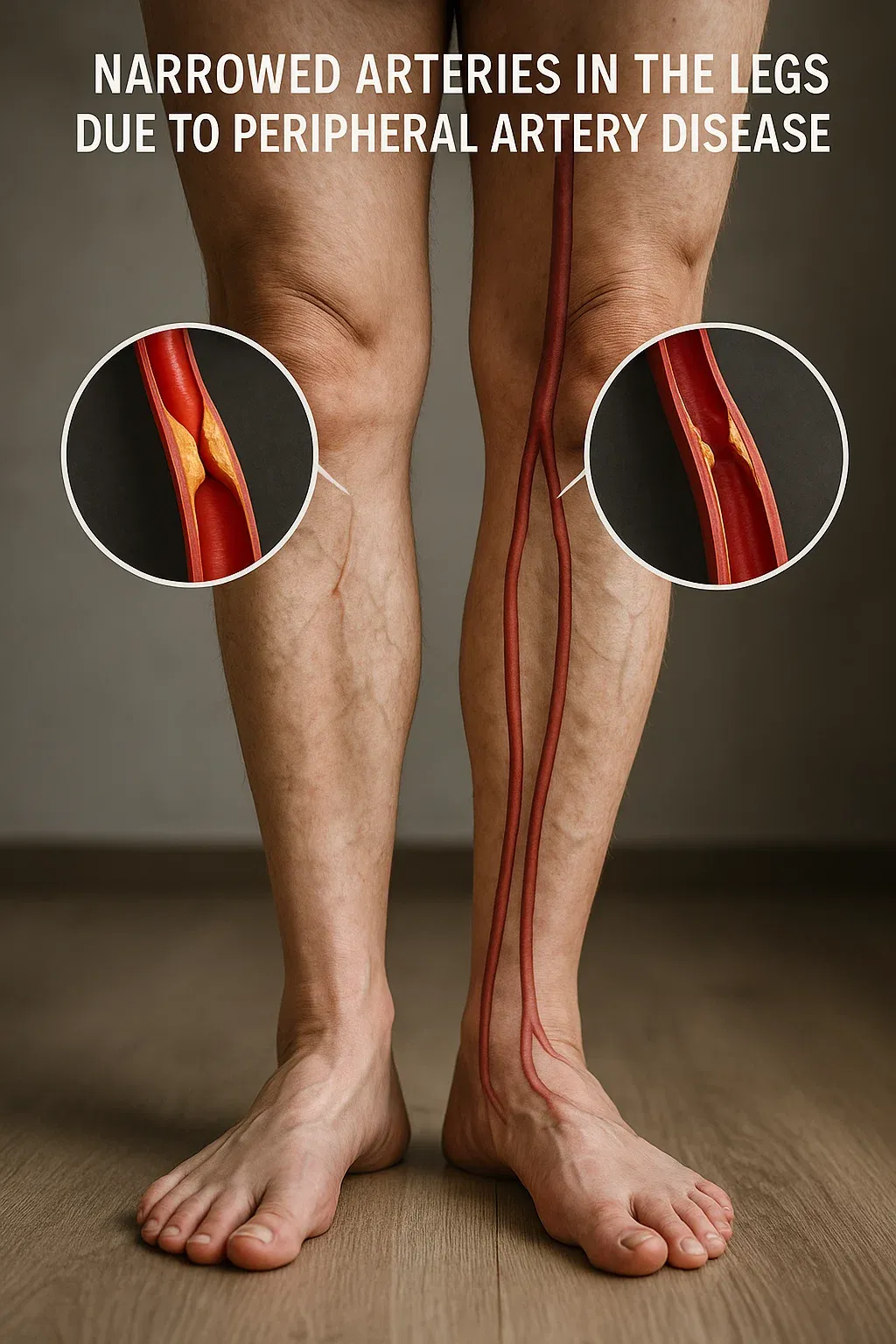
Peripheral artery disease (PAD) commonly affects the legs, though it can also impact other areas. The condition arises due to atherosclerosis, where fatty deposits build up in the artery walls, reducing blood flow. Individuals with PAD might initially notice symptoms such as muscle cramping or fatigue in the legs or hips while walking or climbing stairs, which typically eases with rest. Other indicators include a noticeable change in the skin color of the legs, decreased pulse or weak pulse in the legs or feet, and erectile dysfunction in men. In advanced cases, PAD can cause critical limb ischemia, leading to ulcers, sores, or gangrene. Early detection is crucial as it allows for better management and reduces the risk of complications such as heart attack or stroke. Healthcare providers typically use a variety of diagnostic tools, including the ankle-brachial index (ABI), ultrasound, angiography, and blood tests to confirm PAD.
Managing Peripheral Artery Disease Effectively
Managing peripheral artery disease (PAD) involves a comprehensive approach that includes lifestyle modifications, medications, and potentially surgical options. Lifestyle changes are foundational in managing PAD and can significantly improve symptoms and reduce the risk of complications. Smoking cessation is crucial, as tobacco use is a major risk factor for PAD and can exacerbate symptoms. Regular physical activity, particularly supervised exercise programs, can improve the distance a person with PAD can walk pain-free. A heart-healthy diet low in saturated fats and cholesterol can also help manage PAD. Medications may be prescribed to prevent blood clots, lower cholesterol, and control blood pressure. In some cases, if lifestyle changes and medications are insufficient, surgical procedures such as angioplasty or bypass grafting may be necessary to restore blood flow. Patients should work closely with their healthcare providers to develop a personalized management plan that addresses their specific needs and medical history.


Jennifer Trimbee

Aug 19, 2025

0 reading now
10 General Symptoms of Personality Disorder
Personality disorders are complex mental health conditions that significantly impact how individuals perceive themselves and others, often leading to difficulties in daily functioning. These disorders typically manifest in adolescence or early adulthood and can persist for many years. Understanding the general symptoms can be crucial for seeking appropriate treatment and support. Symptoms of personality disorders often include an enduring pattern of inner experience and behavior that deviates markedly from the expectations of the individual's culture. This pattern is pervasive and inflexible, leading to distress or impairment in personal, social, and occupational situations. These symptoms are typically grouped into categories such as cognitive, emotional, interpersonal, and impulse control problems. It is important to remember that while these symptoms can guide towards a diagnosis, a qualified mental health professional should conduct a comprehensive assessment to determine the presence of a personality disorder.
Read more
Jennifer Trimbee
Disclaimer
This site offers information designed for educational purposes only. You should not rely on any information on this site as a substitute for professional medical advice, diagnosis, treatment, or as a substitute for, professional counseling care, advice, diagnosis, or treatment. If you have any concerns or questions about your health, you should always consult with a physician or other healthcare professional.



Discussion
0No comments yet
Be the first to share your thoughts on this article.