
The Invisible Script: Unmasking Your Family's Silent Laws
Family
Delve into the often-invisible yet incredibly powerful forces that shape every aspect of our family lives: The Unspoken Family Rules. These are not the rules openly discussed or formally agreed upon; rather, they are the implicit directives, the silent agreements, and the deeply ingrained patterns of behavior that dictate how family members interact, communicate, and perceive their roles. From who speaks first at dinner to which topics are strictly off-limits, from the expectations of emotional expression to the handling of conflict, these unwritten mandates exert a profound influence. Our upcoming post unravels the complex tapestry of these hidden guidelines. We explore how these rules are established, often through generations of subtle cues, learned behaviors, and shared experiences, becoming the very fabric of our family identity. Discover why acknowledging these unspoken rules is crucial for personal well-being and healthier relationships. We'll examine the ways they can foster unity and belonging, but also how they can inadvertently create tension, resentment, and misunderstandings when they are rigid, contradictory, or no longer serve the family's best interests. Learn to identify the subtle signs of these invisible directives at play within your own family structure. Are there subjects that consistently lead to discomfort? Are certain roles automatically assigned without discussion? Do emotional responses follow predictable, almost ritualistic patterns? Understanding these questions is the first step towards gaining clarity and control over your family narrative. This exploration provides insights into how these early learned rules continue to impact our adult relationships, our self-perception, and our interactions with the wider world. By bringing these subterranean currents to the surface, we can begin to critically assess their origins, their current utility, and their potential for change. This journey isn't about blaming; it's about understanding, fostering empathy, and empowering individuals to navigate their family landscapes with greater awareness, leading to more authentic connections and personal liberation from potentially restrictive inherited dynamics.
Unveiling the Invisible Directives Shaping Your Family Life
Beneath the surface of every family dynamic lies an intricate network of unspoken rules, invisible directives that, despite their silent nature, wield immense power over our daily interactions and long-term perceptions. These aren't the household regulations taped to the fridge or the explicit agreements discussed during family meetings; instead, they are the deeply ingrained patterns, the implicit understandings, and the generational habits that dictate everything from who speaks first at the dinner table to the accepted expressions of joy or sorrow. Consider, for a moment, the subtle cues you've absorbed since childhood regarding conflict resolution—is it to be avoided at all costs, addressed directly, or left to simmer indefinitely? These unwritten mandates profoundly shape our communication styles, define our roles within the family unit, and even influence the very topics considered safe or strictly off-limits. They are forged over decades, passed down through subtle gestures, learned behaviors, and shared experiences, becoming the very fabric of our familial identity. While often intended to foster unity and belonging, these subterranean currents can also, inadvertently, become sources of tension, resentment, and profound misunderstandings, especially when they are rigid, contradictory, or simply no longer serve the family's best interests. Recognizing these powerful, often overlooked influences is not merely an academic exercise; it is a critical step towards enhancing personal well-being, cultivating healthier relationships, and gaining a clearer understanding of how our earliest learned dynamics continue to echo through our adult lives and interactions with the broader world. By bringing these once-invisible guidelines into the light, we embark on a transformative journey of assessment, empathy, and ultimately, empowerment, allowing us to navigate our family landscapes with greater awareness and forge more authentic connections, potentially liberating us from restrictive inherited patterns.
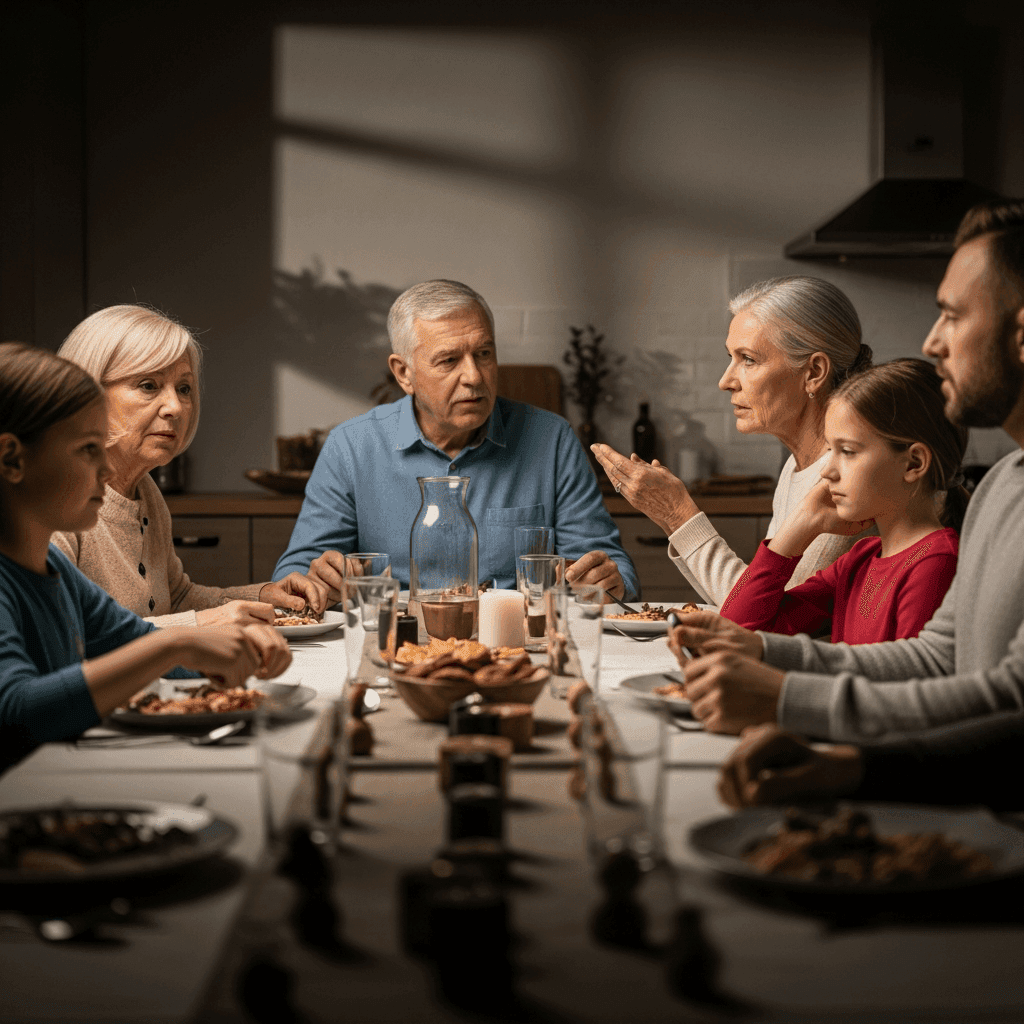
Understanding the Unseen Rules Shaping Your Family's Reality
Within the intricate tapestry of every family dynamic lies a pervasive, yet often invisible, network of "unspoken rules" – the implicit directives and deeply ingrained patterns that quietly dictate how members interact, communicate, and perceive their roles within the unit. These are not mandates openly discussed or consciously agreed upon; rather, they are the silent agreements forged over generations, learned through subtle cues and shared experiences, becoming the very fabric of a family's identity. From determining who speaks first at dinner to delineating strictly off-limit topics, from shaping expectations around emotional expression to guiding conflict resolution, these unwritten mandates exert a profound and continuous influence, often far outweighing any formally established guidelines. Acknowledging these subterranean currents is not merely an academic exercise; it's a crucial step towards fostering personal well-being and cultivating authentically healthier relationships. While these unseen rules can undoubtedly fortify bonds of unity and belonging, their rigidity, inherent contradictions, or failure to evolve with changing family needs can inadvertently sow seeds of tension, resentment, and persistent misunderstandings. Our journey into these hidden guidelines aims to equip you with the awareness to identify their subtle signs—be it subjects consistently evoking discomfort, roles automatically assigned without discourse, or emotional responses following predictable, almost ritualistic patterns. Understanding these questions provides the foundational clarity and control necessary to critically assess the origins, current utility, and potential for transformation of your family narrative, ultimately paving the way for more genuine connections and individual liberation from potentially restrictive inherited dynamics that continue to impact adult relationships and self-perception.


Jennifer Trimbee

Aug 19, 2025

0 reading now
What Causes Cysts and When to Worry
Cysts are fluid-filled sacs that can develop in various parts of the body, including the skin, ovaries, and internal organs. They are usually benign, meaning they are not cancerous, and are often caused by blockages in ducts, cell proliferation, or infections. Hormonal changes, genetic factors, and chronic inflammatory conditions can also contribute to cyst formation. While most cysts are harmless and may resolve on their own, some can become problematic if they grow large, cause pain, or become infected. It's important to monitor cysts and seek medical advice if they change in size, color, or sensation, or if they occur in conjunction with other symptoms.
Read more
Jennifer Trimbee
Aug 19, 2025

Disclaimer
This site offers information designed for educational purposes only. You should not rely on any information on this site as a substitute for professional medical advice, diagnosis, treatment, or as a substitute for, professional counseling care, advice, diagnosis, or treatment. If you have any concerns or questions about your health, you should always consult with a physician or other healthcare professional.


Discussion
12The bit about emotional expression really hits home. We were always 'fine,' even when we clearly weren't, and I still struggle with that.
It's wild to think about how many arguments probably started because someone unknowingly crossed an invisible family boundary.
It makes me think about how much energy I've spent trying to fit into these invisible scripts, and how exhausting that often was.
This makes me wonder what silent rules I'm unknowingly passing down to my own kids. It's a bit unsettling to think about.
I always just thought some things were 'the way we are' in my family, but this article makes me see them as learned patterns.