Embrace Imperfect Wellness: Finding Peace in Progress, Not Perfection
Lifestyle and Welness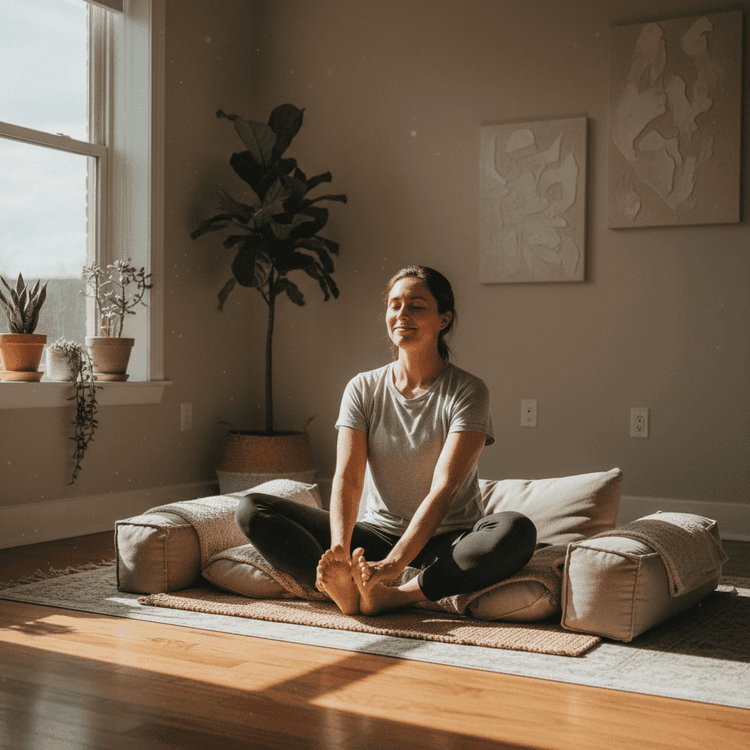
Discover the path to authentic well-being by embracing imperfect wellness. Learn to prioritize progress over perfection, reducing stress and fostering sustainable self-care habits. In a world often obsessed with idealized health metrics and unattainable standards, the concept of **imperfect wellness** offers a refreshing and liberating perspective. This article explores how embracing a more forgiving and realistic approach to your **holistic well-being** can lead to more consistent and joyful results. We'll delve into the power of **self-compassion**, recognizing that life is not a linear journey, and neither is our health. By letting go of the need for perfection in areas like diet, exercise, and mental health practices, you can cultivate true resilience. The journey towards optimal health doesn't demand flawless execution; instead, it invites us to find balance, acknowledge our human limitations, and celebrate every small step forward. This shift in mindset, from rigid adherence to flexible adaptation, is crucial for long-term **sustainable habits** and genuine peace, preventing burnout and fostering a healthier relationship with your own well-being efforts. It's about showing up for yourself, even when it's messy, and understanding that consistency, not perfection, is the ultimate goal.
Cultivating Self-Compassion and Releasing Perfectionism
The relentless pursuit of perfection in wellness often leads to burnout, self-criticism, and ultimately, giving up. When we miss a workout, eat an 'unhealthy' meal, or struggle with daily **mindfulness** practices, the internal critic can be incredibly harsh. This is precisely where **self-compassion** becomes your most powerful tool. Instead of berating yourself for perceived failures, acknowledge your efforts, understand that setbacks are a natural and inevitable part of any human journey, and consciously offer yourself the same kindness and understanding you would a cherished friend. For instance, if you planned to exercise five times a week and only managed three, make a conscious effort to celebrate those three successful sessions instead of dwelling on the two you missed. This fundamental shift in perspective significantly aids in **stress reduction** and fosters a more positive, enduring relationship with your health goals. Engaging in simple **emotional balance** exercises, like a quick body scan or taking a few deep, intentional breaths when you feel overwhelmed or guilty, can help anchor you in the present moment. Remember, the ultimate goal isn't to never fall off track, but rather to develop the inherent resilience and inner guidance to gently steer yourself back without the burden of unnecessary guilt. This approach implicitly addresses the common feeling of guilt about missed workouts or imperfect dietary choices by reframing them as valuable opportunities for self-kindness and profound learning, rather than as outright failures. It's about recognizing that your unique wellness path is deeply personal, filled with natural ebbs and flows, and that consistent, albeit imperfect, engagement is far more beneficial and sustainable than sporadic, rigid attempts followed by complete abandonment.
Building Sustainable Habits for Authentic Well-Being
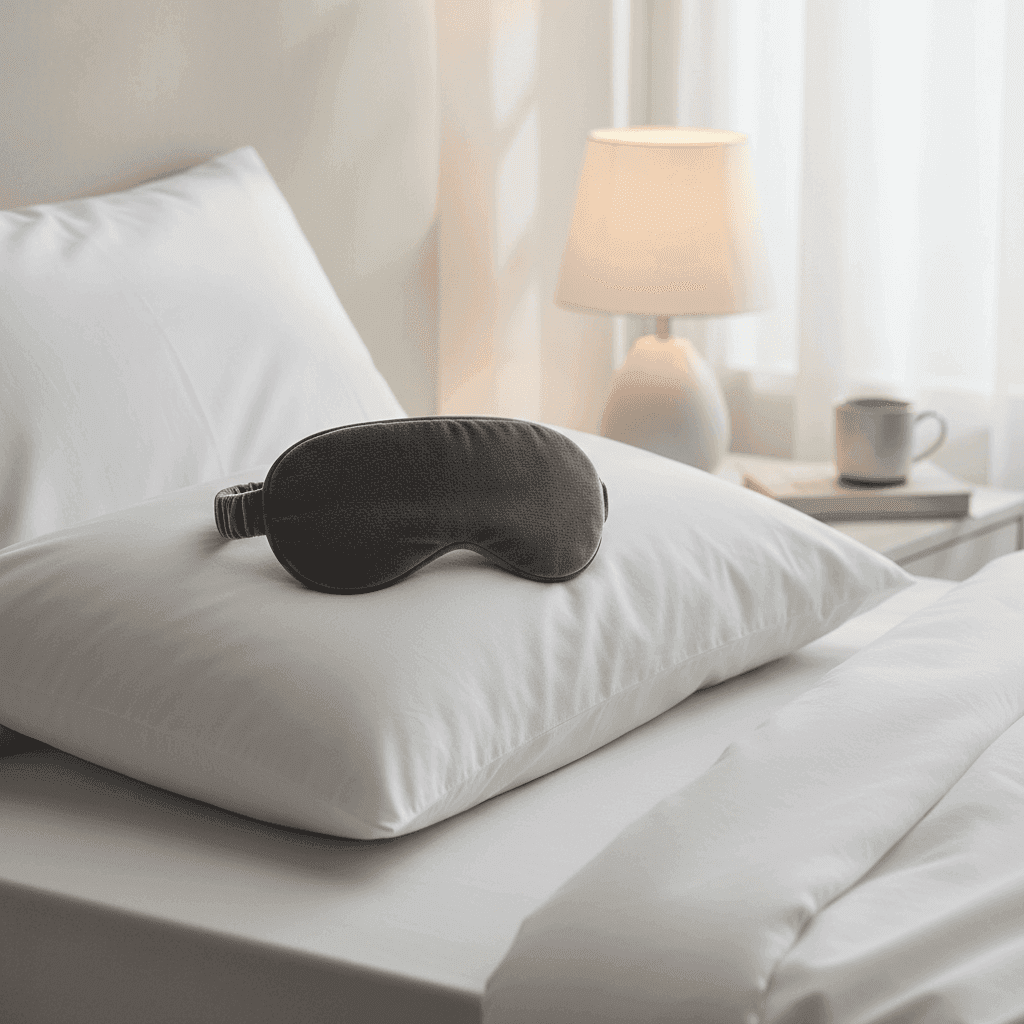
True, lasting wellness isn't built on drastic, overwhelming overhauls but rather on the incremental accumulation of small, **sustainable habits** that can seamlessly integrate into the rhythm of your daily life. Instead of aiming for an hour-long gym session every single day, which might prove unrealistic given life's demands, consider starting with a more manageable 15-minute walk. This gradual, accessible approach makes **physical activity** less daunting and more achievable, significantly increasing the likelihood of consistent adherence. Similarly, rather than implementing restrictive rules or banning entire food groups, focus your energy on consciously adding more nutrient-dense options to your diet while purposefully allowing for flexibility and occasional, guilt-free treats. This very principle extends effortlessly to **mental health** practices; a two-minute gratitude practice or a brief breathing exercise is inherently more sustainable and effective than trying to force a demanding 30-minute meditation session when your schedule is already packed. The key lies in setting **realistic goals** that can be consistently met, even on the most challenging or hectic days. Implicitly, this pragmatic strategy directly answers the pressing question of how to maintain wellness without experiencing debilitating burnout: by prioritizing consistency over intensity and embracing adaptability over rigid adherence. Celebrate the small, often overlooked victories, such as consistently drinking enough water throughout the day or taking a short, invigorating break from work to stretch your body. When you approach wellness with this flexible, compassionate mindset, acknowledging that life inevitably throws curveballs, you actively build profound resilience. It’s about creating a robust yet flexible framework that can bend without breaking, thereby ensuring that your well-being journey is not a frantic sprint to a distant finish line, but a continuous, adaptable, and joyful process of living a healthier, more fulfilled life, one beautifully imperfect step at a time.

Discussion
No comments yet
Be the first to share your opinion!

Jennifer Trimbee

Aug 19, 2025
0 reading now
What Causes Cysts and When to Worry
Cysts are fluid-filled sacs that can develop in various parts of the body, including the skin, ovaries, and internal organs. They are usually benign, meaning they are not cancerous, and are often caused by blockages in ducts, cell proliferation, or infections. Hormonal changes, genetic factors, and chronic inflammatory conditions can also contribute to cyst formation. While most cysts are harmless and may resolve on their own, some can become problematic if they grow large, cause pain, or become infected. It's important to monitor cysts and seek medical advice if they change in size, color, or sensation, or if they occur in conjunction with other symptoms.
Read more
Jennifer Trimbee
Aug 19, 2025

Disclaimer
This site offers information designed for educational purposes only. You should not rely on any information on this site as a substitute for professional medical advice, diagnosis, treatment, or as a substitute for, professional counseling care, advice, diagnosis, or treatment. If you have any concerns or questions about your health, you should always consult with a physician or other healthcare professional.