What Are Nodules?
Diseases and Conditions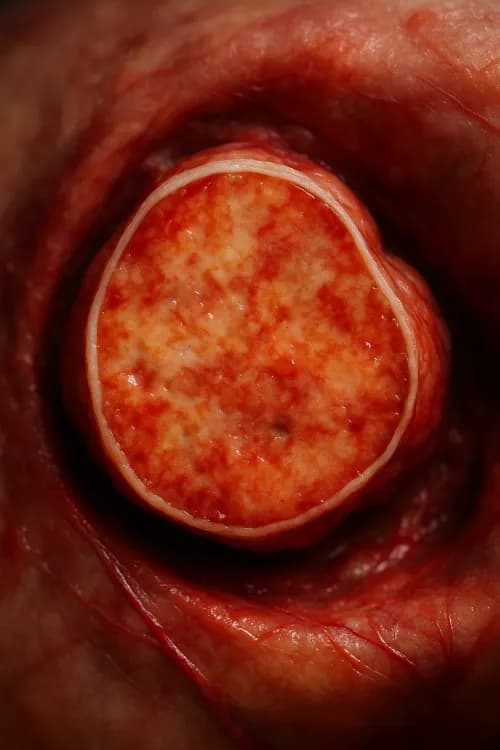
Nodules are small, rounded masses that can be found in various parts of the body, or even in nature, each with distinct characteristics and implications. In the medical field, nodules are most commonly referred to as lumps that form under the skin or within an organ. They can vary significantly in size, from as small as a pea to as large as a golf ball or even larger. Nodules can be benign or malignant, which means they can be harmless or potentially cancerous. They are most frequently detected through medical imaging techniques such as X-rays, CT scans, or ultrasounds. In nature, nodules can refer to mineral or geologic formations, often found in sedimentary rocks or as deposits on the ocean floor, serving as an important source of minerals and other natural resources. Understanding the nature of nodules is crucial in both medical diagnosis and environmental studies, as their presence can indicate underlying health conditions or significant geological processes.
Medical Significance of Nodules
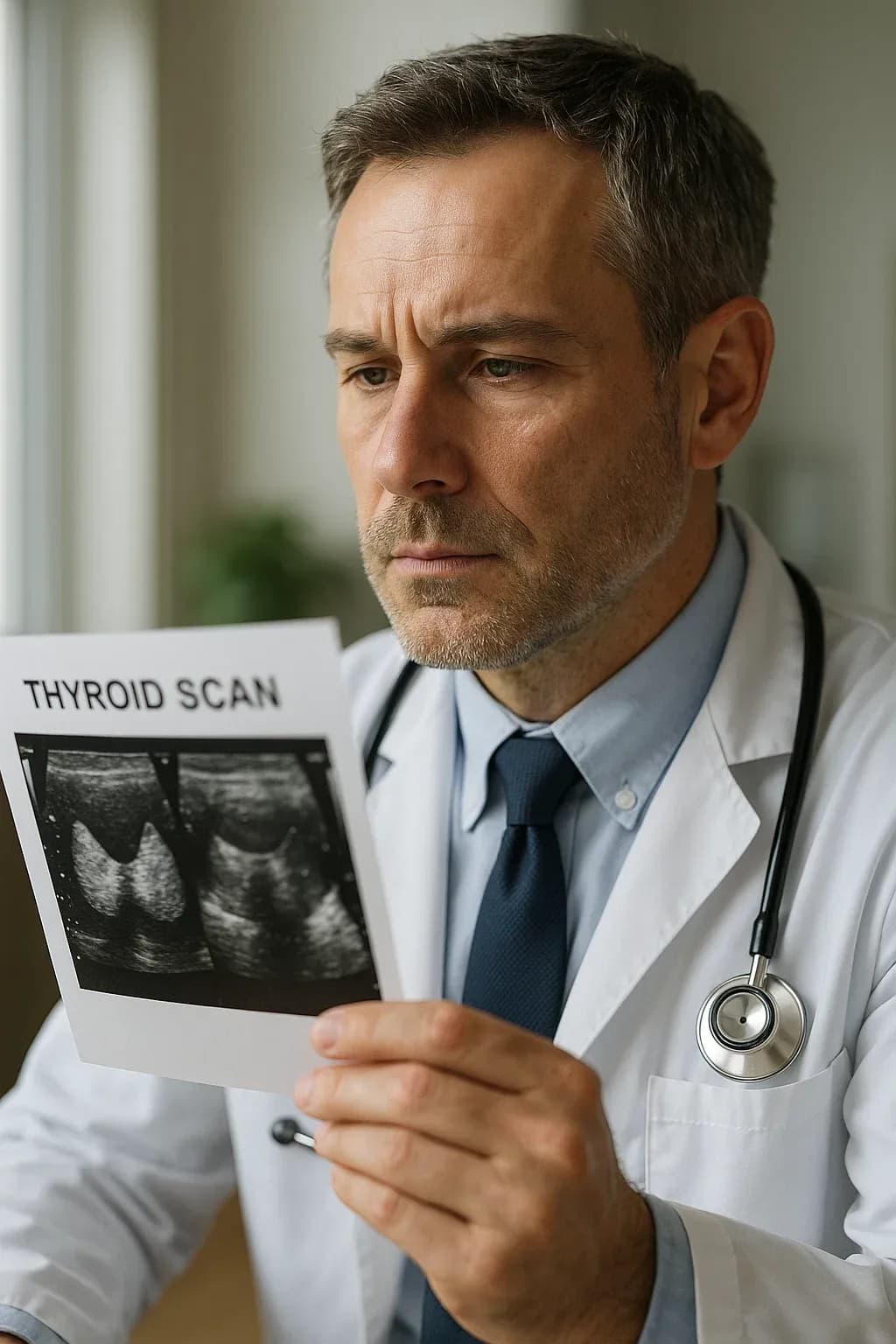
In the field of medicine, nodules are critical to the diagnosis and treatment of various diseases. They are often discovered during routine check-ups or when a patient presents symptoms that warrant further investigation. Thyroid nodules are one of the most common types, found in the thyroid gland at the base of the neck. While most thyroid nodules are benign, a small percentage can be cancerous, necessitating further testing such as a biopsy. Pulmonary nodules, found in the lungs, are also frequently encountered and can be indicative of a range of conditions, from infections to lung cancer. The presence of nodules can lead to a series of diagnostic procedures to determine their nature and origin. Treatment options vary depending on whether the nodules are benign or malignant and may include monitoring, medical intervention, or surgical removal. Early detection and accurate diagnosis are vital for effective management of conditions associated with nodules.
Nodules in Nature
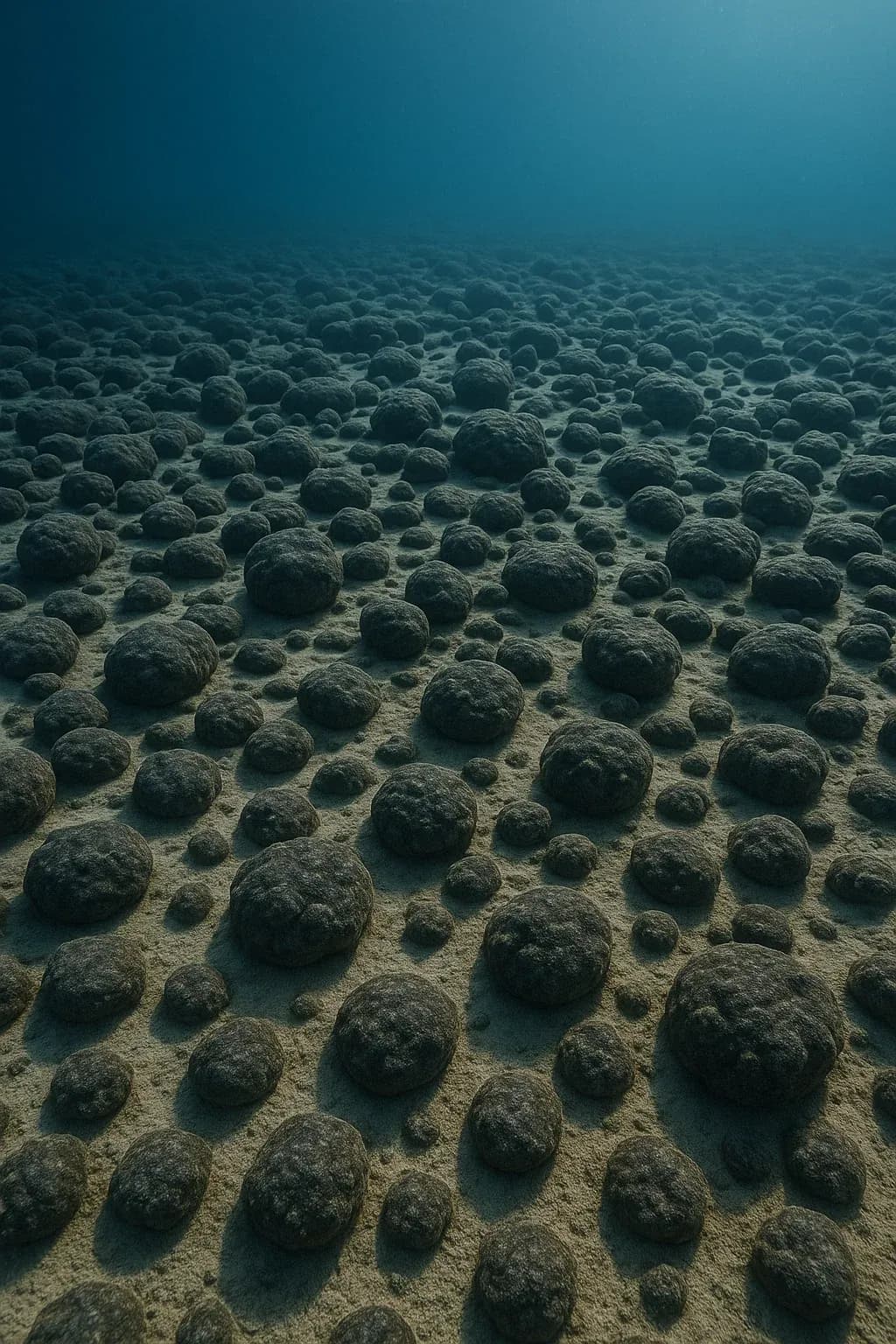
Beyond the medical context, nodules also hold significance in nature, particularly in geology and marine biology. Geologic nodules are often composed of minerals like manganese and iron, forming over time through chemical processes in sedimentary environments. These nodules can be found on the ocean floor and are of great interest to scientists and mining companies due to their rich mineral content. Manganese nodules, for instance, are abundant in the Pacific Ocean and are considered a potential source of valuable metals such as copper, nickel, and cobalt. The formation of these nodules is influenced by numerous factors, including water chemistry, sedimentation rates, and microbial activity. Studying these nodules provides insights into past environmental conditions and can help inform sustainable practices in resource extraction. The ecological impact of mining these nodules is a subject of ongoing research, as it poses potential threats to marine ecosystems.
Discussion
No comments yet
Be the first to share your opinion!

Jennifer Trimbee

Aug 19, 2025

0 reading now
What Causes Cysts and When to Worry
Cysts are fluid-filled sacs that can develop in various parts of the body, including the skin, ovaries, and internal organs. They are usually benign, meaning they are not cancerous, and are often caused by blockages in ducts, cell proliferation, or infections. Hormonal changes, genetic factors, and chronic inflammatory conditions can also contribute to cyst formation. While most cysts are harmless and may resolve on their own, some can become problematic if they grow large, cause pain, or become infected. It's important to monitor cysts and seek medical advice if they change in size, color, or sensation, or if they occur in conjunction with other symptoms.
Read more
Jennifer Trimbee
Aug 19, 2025
Disclaimer
This site offers information designed for educational purposes only. You should not rely on any information on this site as a substitute for professional medical advice, diagnosis, treatment, or as a substitute for, professional counseling care, advice, diagnosis, or treatment. If you have any concerns or questions about your health, you should always consult with a physician or other healthcare professional.