
Gut Feelings: The Powerful Link Between Digestion and Mood
Your Health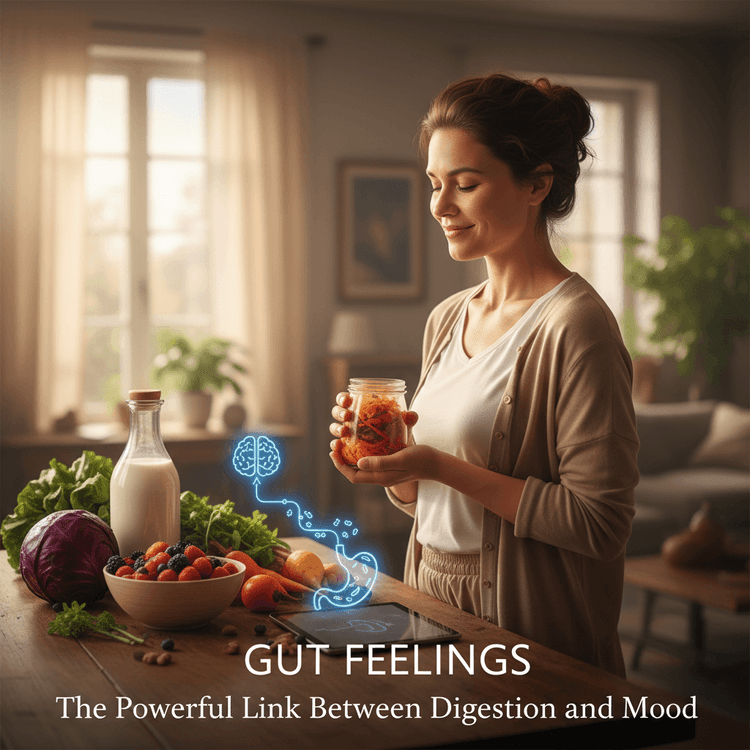
Are you experiencing inexplicable shifts in your mood, persistent low energy, or a general sense of unease, and wondering if there's a deeper root cause beyond daily stressors? This comprehensive post delves into the fascinating and increasingly recognized relationship between your gut health and your overall emotional well-being. Far from being merely a digestive organ, your gut is a complex ecosystem, often referred to as your "second brain," teeming with trillions of microorganisms that profoundly influence everything from nutrient absorption to hormone regulation and, crucially, your mental state. We'll explore the intricate gut-brain axis, a bidirectional communication highway that connects your central nervous system to your enteric nervous system within your digestive tract. Discover how your gut microbes produce vital neurotransmitters like serotonin, often dubbed the "happiness hormone," with a staggering percentage of its total body production originating in the gut. Unpack the science behind how an imbalanced microbiome, often referred to as dysbiosis, can contribute to chronic inflammation, impact vagus nerve signaling, and potentially exacerbate feelings of anxiety, depression, brain fog, and stress, creating a vicious cycle that can be difficult to break without understanding its origins. This isn't just about scientific theory; it's about practical empowerment. Learn how dietary choices, lifestyle habits, and targeted nutritional support can significantly transform your gut environment. We'll guide you through actionable strategies, from incorporating diverse whole foods rich in prebiotics and probiotics to understanding the impact of stress management on gut integrity. Understand the crucial role of fermented foods, fiber-rich fruits and vegetables, and mindful eating practices in fostering a vibrant, balanced microbiome that supports not only optimal digestion but also a more stable and uplifted mood. Unlock the potential to cultivate a healthier, happier you by nurturing your inner ecosystem. This post provides the insights and tools necessary to understand and optimize the powerful connection between your gut and your mood, offering a pathway to improved mental clarity, emotional resilience, and an overall enhanced quality of life. Stop treating your gut and your mind as separate entities; join us as we reveal how a holistic approach to gut health can be the missing piece in your pursuit of lasting emotional well-being and a calmer, more joyful existence. Take the first step towards feeling better from the inside out and discover how empowering your gut can be the ultimate mood booster you’ve been searching for.
Your Second Brain: How Gut Health Shapes Your Emotional State
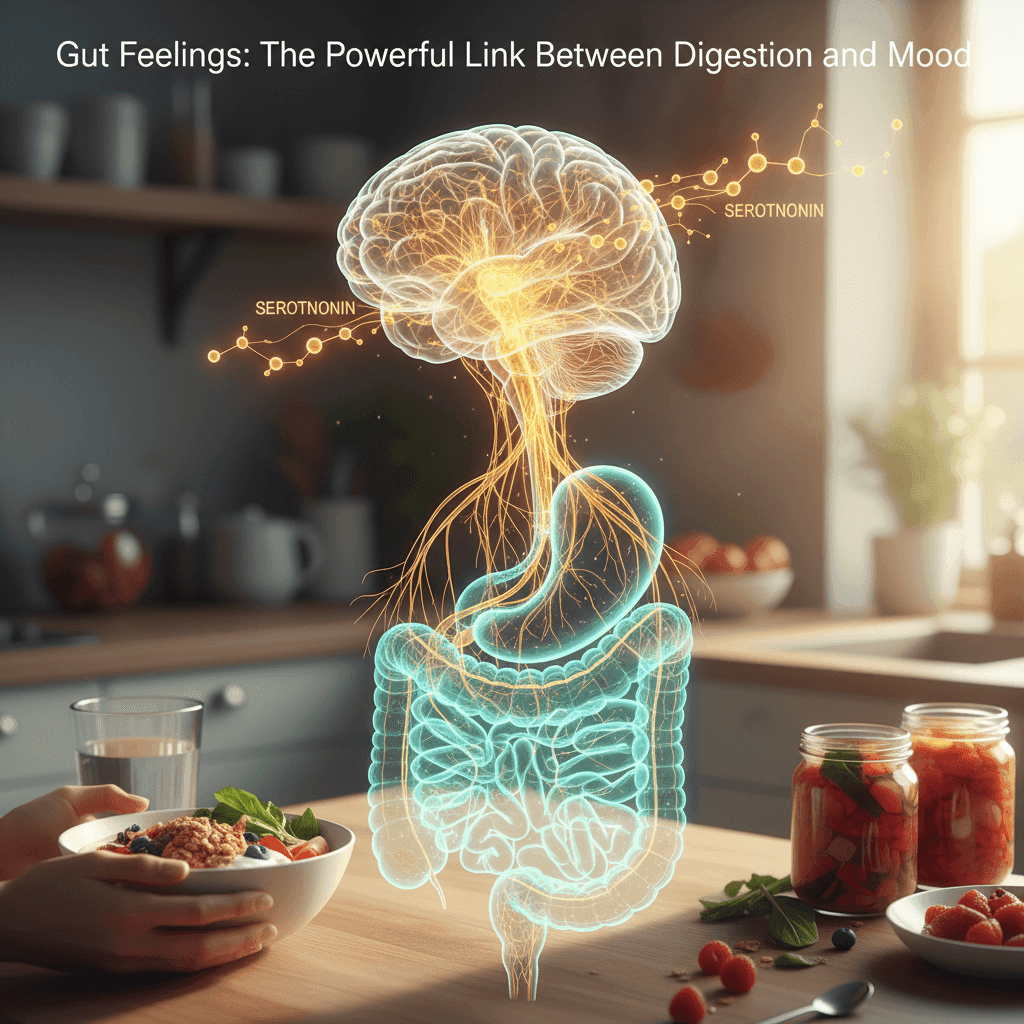
Often hailed as our "second brain," your gut is far more than a mere processing plant for food; it is a bustling, complex ecosystem teeming with trillions of microorganisms that exert profound influence over your entire physical and mental landscape, especially your emotional state. This intricate network, scientifically known as the enteric nervous system (ENS), embedded within the walls of your digestive tract, functions with remarkable autonomy and is in constant, bidirectional communication with your central nervous system through the gut-brain axis. This vital communication highway is where your gut’s microbial inhabitants play a starring role, actively producing a significant percentage of the body’s vital neurotransmitters, including a staggering 90% of your serotonin—often called the "happiness hormone." When this delicate microbial balance, known as the microbiome, becomes disrupted or experiences dysbiosis, it can trigger a cascade of negative effects that extend far beyond digestive discomfort, leading to chronic low-grade inflammation, impaired vagus nerve signaling, and a compromised production of these crucial mood-regulating chemicals. Such imbalances can manifest as persistent feelings of anxiety, unexplained low mood, increased susceptibility to stress, and even cognitive issues like brain fog, creating a challenging feedback loop that often leaves individuals searching for answers beyond typical explanations. Understanding this profound connection illuminates why nurturing your gut health isn't just about digestion; it's a fundamental strategy for cultivating resilience, emotional stability, and an uplifted sense of well-being, directly impacting your daily emotional experience and overall quality of life.

Your Second Brain: Unlocking Emotional Well-being Through Gut Health
Far beyond its traditional role in digestion, your gut has earned the profound moniker of your "second brain," a vibrant, intricate ecosystem teeming with trillions of microorganisms that exert an astonishing influence over nearly every facet of your physiological and psychological landscape. This moniker isn't merely metaphorical; it reflects the deep, bidirectional communication highway known as the gut-brain axis, a sophisticated network linking your central nervous system directly to the enteric nervous system nestled within your digestive tract. It is within this remarkable internal world that a staggering percentage of vital neurotransmitters, including serotonin—often celebrated as the "happiness hormone"—are produced, profoundly shaping your moods, emotional stability, and cognitive function. When this delicate microbial balance is disrupted, a state known as dysbiosis, the repercussions extend far beyond digestive discomfort, potentially triggering chronic inflammation, impairing vagus nerve signaling, and exacerbating feelings of anxiety, depression, persistent brain fog, and overwhelming stress, creating a challenging feedback loop that directly undermines your overall emotional resilience. Therefore, recognizing and nurturing this powerful "second brain" through conscious dietary choices, mindful lifestyle adjustments, and targeted nutritional support becomes an indispensable strategy for truly unlocking and sustaining profound emotional well-being, fostering a calmer mind, and cultivating a more joyful existence from the inside out.

Jennifer Trimbee

Aug 19, 2025

0 reading now
What Causes Cysts and When to Worry
Cysts are fluid-filled sacs that can develop in various parts of the body, including the skin, ovaries, and internal organs. They are usually benign, meaning they are not cancerous, and are often caused by blockages in ducts, cell proliferation, or infections. Hormonal changes, genetic factors, and chronic inflammatory conditions can also contribute to cyst formation. While most cysts are harmless and may resolve on their own, some can become problematic if they grow large, cause pain, or become infected. It's important to monitor cysts and seek medical advice if they change in size, color, or sensation, or if they occur in conjunction with other symptoms.
Read more
Jennifer Trimbee
Aug 19, 2025
Disclaimer
This site offers information designed for educational purposes only. You should not rely on any information on this site as a substitute for professional medical advice, diagnosis, treatment, or as a substitute for, professional counseling care, advice, diagnosis, or treatment. If you have any concerns or questions about your health, you should always consult with a physician or other healthcare professional.

Discussion
0No comments yet
Be the first to share your thoughts on this article.