
Less Chaotic Family Dinners: A Smarter Approach to Mealtime
Family
You've just spent an hour chopping, stirring, and baking, picturing a lovely evening around the table. Instead, within minutes, there’s a spilled drink, a debate over broccoli that would rival a parliamentary session, and someone asking to be excused before anyone has taken a second bite. If that rings true, you're not alone. It often feels like the family dinner, intended as a daily moment of connection, becomes the day’s most predictable point of friction and frustration. So, how do we shift from simply surviving mealtime to actually enjoying it, transforming the challenge of making family dinners less chaotic into a manageable, even pleasant, part of your routine? We'll share smart, actionable strategies that you can start using this week to bring more calm, conversation, and genuine joy back to your family table.
What's really happening during family mealtime
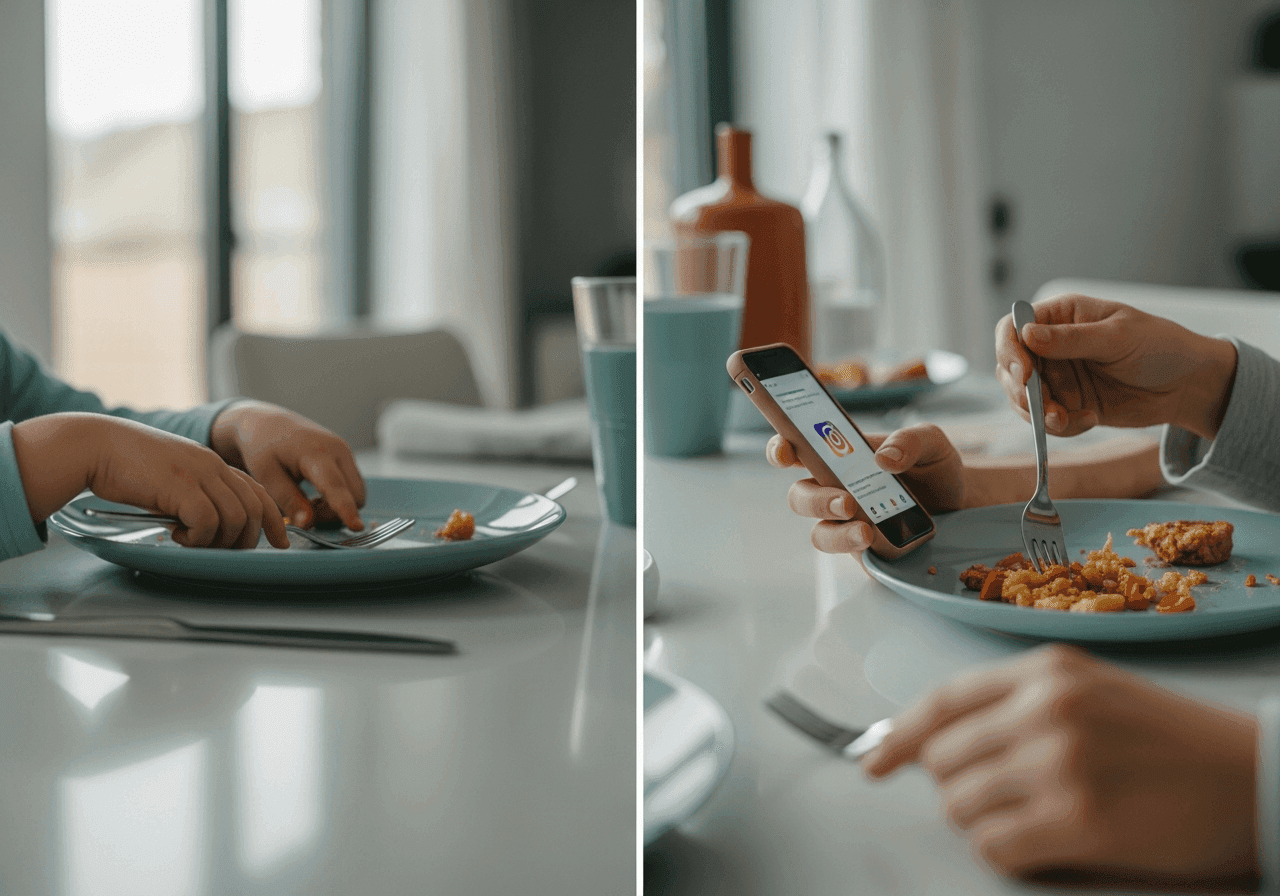
Picture this: you’re at the family dinner table. One child drums their plate, another loudly declares everything “yucky,” and your partner is scrolling their phone. You try to share your day, but it feels like shouting into a void. Sound familiar? We often envision calm, connected family meals, but reality frequently delivers chaos. What’s truly happening isn't just "bad behavior"; it's a collision of individual exhaustion and unmet needs. Kids are often overstimulated, while adults are drained. The dinner table, instead of a sanctuary, often becomes a pressure cooker for boundaries and unvoiced frustrations precisely when everyone’s energy is lowest. Understanding this dynamic is crucial for change. First, reframe dinner as a moment for intentional connection, not just consumption. Lower your expectations for perfect plates or gourmet food; focus instead on eye contact, shared laughs, or simply listening. This immediately reduces pressure. Second, introduce a "pre-dinner wind-down." Even five minutes of quiet activity—like reading together or a quick walk—can help everyone transition from frantic to receptive, acting as a mental reset button. Finally, set one simple, shared intention *before* sitting down, such as, "Tonight, let's each share one good thing that happened today." This offers a positive, common goal and shifts the atmosphere. These small, practical adjustments can make a real difference. Understanding these underlying currents is the first step. Next, let's explore more simple shifts that can transform your table.
Real-world tactics for better family dinner experiences
Tired of dinner feeling like a screen-staring contest? You're not alone. While we crave connected family meals, distractions often win. A simple, powerful tactic? The "Tech-Free Table." It’s about intention, not rigidity. Before dinner, gather all phones—yours included—into a designated spot away from the table. Out of sight, out of mind. This creates immediate space. Instead, try a simple prompt: "What made you smile today?" or "If you could invent a food?" A NiceAdvice reader, Sarah, found this transformed her family's dynamic; her partner became present, and even her quiet teen started sharing. Perfection isn't the goal. Some dinners will still be messy, and that's okay. Don't aim for rigid rules or fret over a brief screen. It's about consistent *opportunities* for presence. Start small: one tech-free dinner a week. Focus on shared moments, not flawless performance. These choices build stronger, more joyful mealtime bonds.


Jennifer Trimbee

Aug 19, 2025

0 reading now
10 General Symptoms of Personality Disorder
Personality disorders are complex mental health conditions that significantly impact how individuals perceive themselves and others, often leading to difficulties in daily functioning. These disorders typically manifest in adolescence or early adulthood and can persist for many years. Understanding the general symptoms can be crucial for seeking appropriate treatment and support. Symptoms of personality disorders often include an enduring pattern of inner experience and behavior that deviates markedly from the expectations of the individual's culture. This pattern is pervasive and inflexible, leading to distress or impairment in personal, social, and occupational situations. These symptoms are typically grouped into categories such as cognitive, emotional, interpersonal, and impulse control problems. It is important to remember that while these symptoms can guide towards a diagnosis, a qualified mental health professional should conduct a comprehensive assessment to determine the presence of a personality disorder.
Read more
Jennifer Trimbee
Disclaimer
This site offers information designed for educational purposes only. You should not rely on any information on this site as a substitute for professional medical advice, diagnosis, treatment, or as a substitute for, professional counseling care, advice, diagnosis, or treatment. If you have any concerns or questions about your health, you should always consult with a physician or other healthcare professional.



Discussion
1This hit home so hard. I swear, sometimes I dread dinnertime because of how quickly it devolves into chaos instead of connection.