Unlocking the Secrets of Your Gut's Hidden Intelligence
Your Health
Dive deep into the fascinating world of the human gut, often referred to as our 'second brain.' This comprehensive post unravels the intricate mysteries behind the enteric nervous system (ENS), a complex network of hundreds of millions of neurons lining our digestive tract that operates with remarkable independence yet remains profoundly connected to our central nervous system. We'll explore the groundbreaking science of the gut-brain axis, a bidirectional communication highway that constantly exchanges vital signals between your gut and your head, influencing everything from your mood and emotions to your cognitive function and overall mental well-being. Discover how the trillions of microorganisms residing within your intestines – your gut microbiome – play a pivotal role in shaping your thoughts, feelings, and even your personality. This isn't merely about digestion; it's about a sophisticated internal ecosystem dictating far more than you can imagine. We'll delve into the profound impact of gut health on prevalent conditions like anxiety, depression, and stress, revealing how imbalances and dysbiosis in your gut can manifest as significant challenges in your mental landscape. Learn about the powerful neurotransmitters, like serotonin, predominantly produced in your gut, and their crucial role in regulating happiness, sleep, and emotional stability. We'll also touch upon the vagus nerve, the primary conduit through which your gut communicates with your brain, and how its tone can influence your stress response and resilience. Furthermore, this detailed guide provides actionable insights into how you can nourish and optimize your 'second brain' for peak performance. From understanding the power of a nutrient-dense diet rich in diverse whole foods, prebiotics, and probiotics to exploring effective stress-reduction techniques that calm both your mind and your digestive system, we offer practical, evidence-based strategies for fostering a harmonious gut environment. We'll discuss the importance of sleep, physical activity, and mindful eating habits in supporting a healthy gut-brain connection. Unlock the secrets to better mood, sharper focus, enhanced emotional resilience, and improved overall health by truly understanding and nurturing this incredibly vital, often underestimated, internal organ. Prepare to transform your perspective on wellness as you uncover the profound influence your gut truly wields over your entire being, offering a new pathway to holistic health and mental clarity.
Your Gut: Second Brain - Unlocking Its Power for Mental Well-being
The intricate world within your digestive tract, often dubbed your "second brain," is far more than just a processing plant for food; it's a sophisticated command center, profoundly influencing your mental well-being in ways scientists are only just beginning to fully comprehend. At its core lies the Enteric Nervous System (ENS), a remarkable network of hundreds of millions of neurons embedded directly into the walls of your gut, capable of operating with astonishing independence while simultaneously engaging in a constant, vital dialogue with your central nervous system. This bidirectional superhighway, known as the gut-brain axis, serves as the primary communication link, tirelessly exchanging signals that dictate not only physical sensations but also powerfully shape your mood, emotions, and even cognitive functions. Within this bustling ecosystem, trillions of microorganisms – your gut microbiome – play an unexpectedly pivotal role, acting as a crucial mediator in this complex interplay, actively influencing the production of essential neurotransmitters like serotonin, which is predominantly manufactured in your gut and is critical for regulating happiness, sleep, and emotional stability. Imbalances or dysbiosis within this delicate internal world can manifest as significant challenges to your mental landscape, contributing to feelings of anxiety, depression, and chronic stress, underscoring the deep connection between gut health and psychological resilience. The vagus nerve, serving as the main anatomical conduit, acts as a direct line for these critical messages, with its tone directly impacting your stress response. Understanding and nourishing this extraordinary 'second brain' thus becomes a powerful pathway to unlocking enhanced mental clarity and emotional stability. By adopting a nutrient-dense diet rich in diverse whole foods, embracing prebiotics and probiotics, and integrating stress-reduction techniques, you can proactively optimize this internal ecosystem, fostering a harmonious gut environment that translates into improved mood, sharper focus, greater emotional resilience, and a profound sense of holistic well-being, ultimately transforming your entire perspective on health.
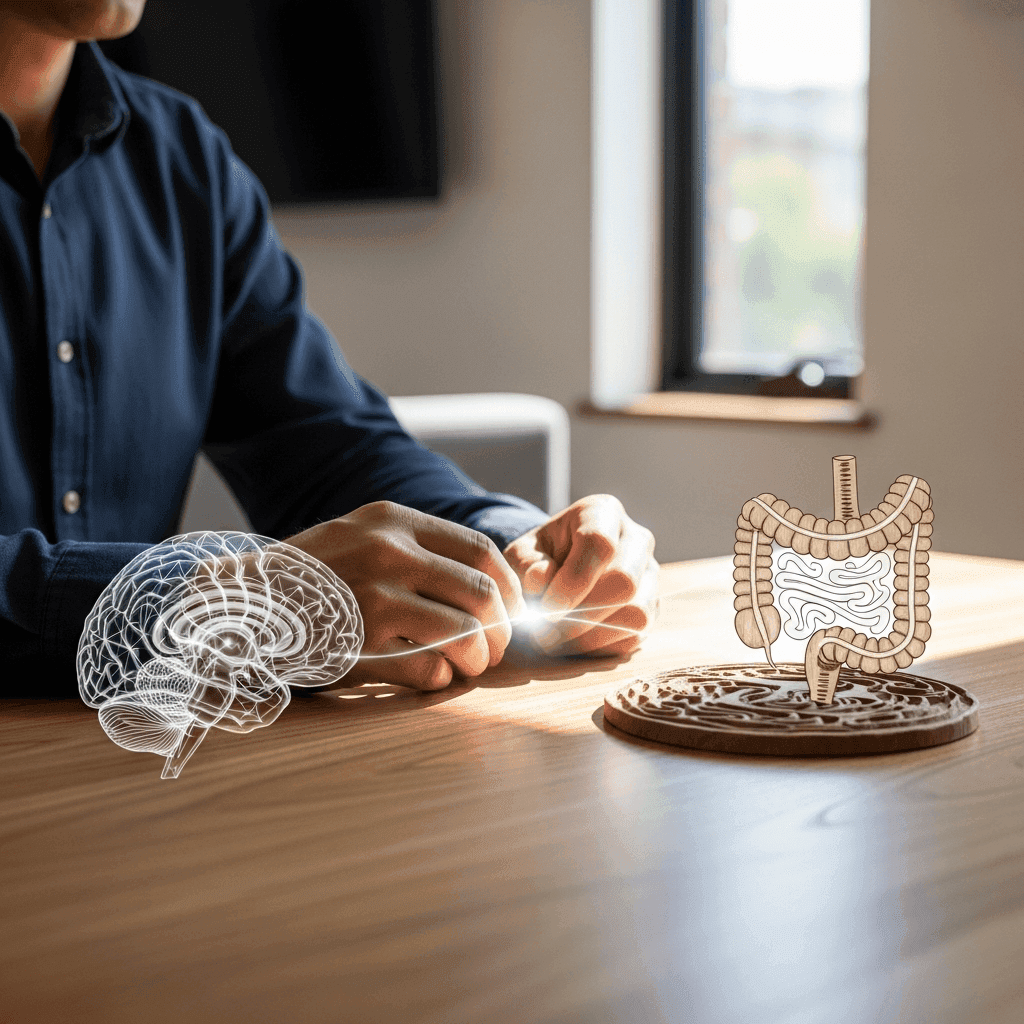
Gut Feelings: Unlocking the Link Between Your Gut and Mental Health
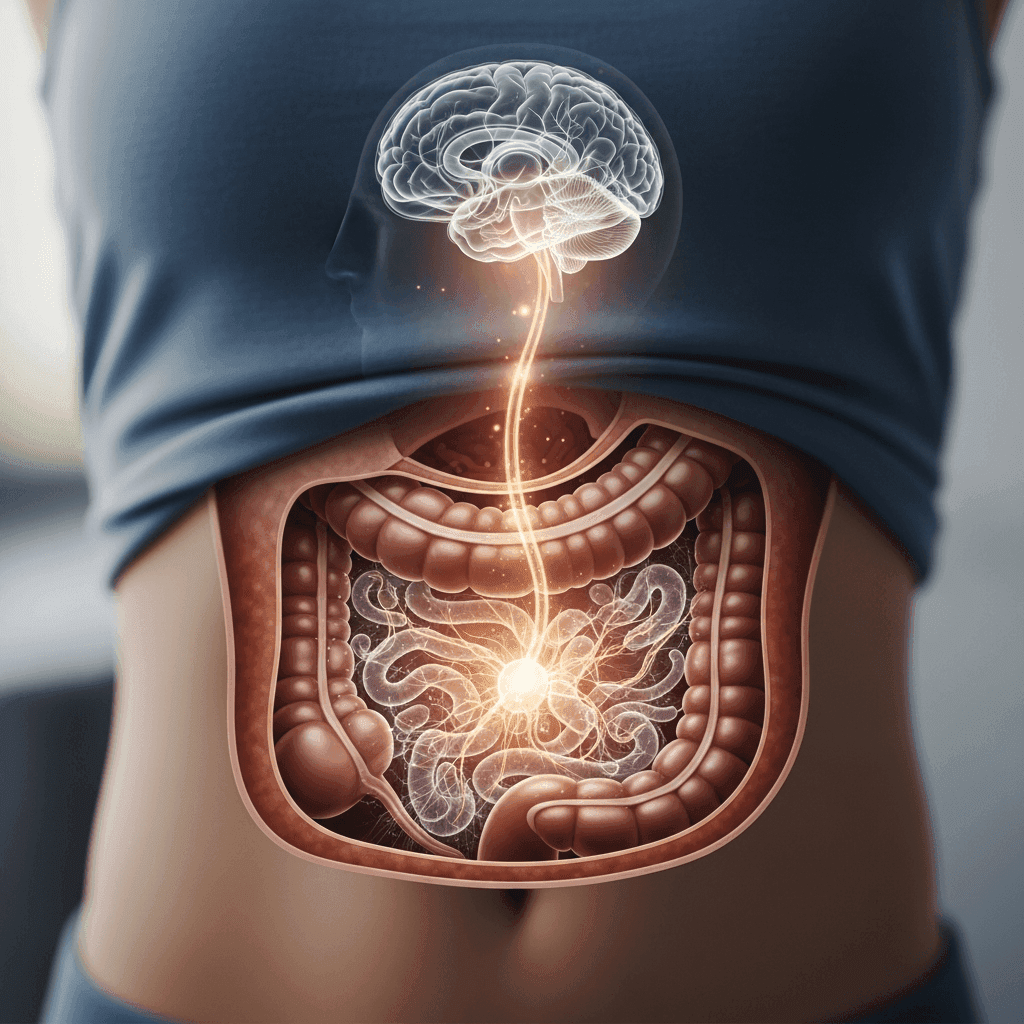
Beyond simple digestion, the intricate network residing within our abdomen, often hailed as our "second brain," wields profound influence over our mental and emotional landscape, giving a scientific basis to the age-old concept of "gut feelings." This isn't mere metaphor; it's a sophisticated biological reality underpinned by the enteric nervous system (ENS), a complex web of hundreds of millions of neurons lining our digestive tract that communicates constantly with our central nervous system through a bidirectional superhighway known as the gut-brain axis. This vital communication channel ensures that signals are ceaselessly exchanged between your intestines and your brain, dictating far more than just your physical well-being. Indeed, the trillions of microorganisms forming your gut microbiome play a pivotal, often surprising, role in this intricate dance. These microscopic residents actively produce and modulate a vast array of neurotransmitters, including a significant portion of the body's serotonin, a key regulator of mood, happiness, and sleep. When this delicate ecosystem falls out of balance, a state known as dysbiosis, it can profoundly disrupt the production and regulation of these crucial chemical messengers, manifesting not just as digestive issues but strikingly as heightened anxiety, depression, chronic stress, and even cognitive fogginess. The vagus nerve, serving as the primary physical conduit, tirelessly relays these complex messages, translating your gut's microbial symphony and biochemical state into tangible impacts on your emotional resilience and mental clarity. Therefore, understanding and nurturing your gut health isn't merely about preventing digestive woes; it's an essential pathway to unlocking a more stable mood, sharper focus, and an overall enhanced sense of mental well-being, transforming our approach to holistic psychological health.
Discussion
No comments yet
Be the first to share your opinion!

Jennifer Trimbee

Aug 19, 2025

0 reading now
What Causes Cysts and When to Worry
Cysts are fluid-filled sacs that can develop in various parts of the body, including the skin, ovaries, and internal organs. They are usually benign, meaning they are not cancerous, and are often caused by blockages in ducts, cell proliferation, or infections. Hormonal changes, genetic factors, and chronic inflammatory conditions can also contribute to cyst formation. While most cysts are harmless and may resolve on their own, some can become problematic if they grow large, cause pain, or become infected. It's important to monitor cysts and seek medical advice if they change in size, color, or sensation, or if they occur in conjunction with other symptoms.
Read more
Jennifer Trimbee
Aug 19, 2025

Disclaimer
This site offers information designed for educational purposes only. You should not rely on any information on this site as a substitute for professional medical advice, diagnosis, treatment, or as a substitute for, professional counseling care, advice, diagnosis, or treatment. If you have any concerns or questions about your health, you should always consult with a physician or other healthcare professional.