Neuropathy: Understanding the Symptoms, Causes, and Treatments
Diseases and Conditions
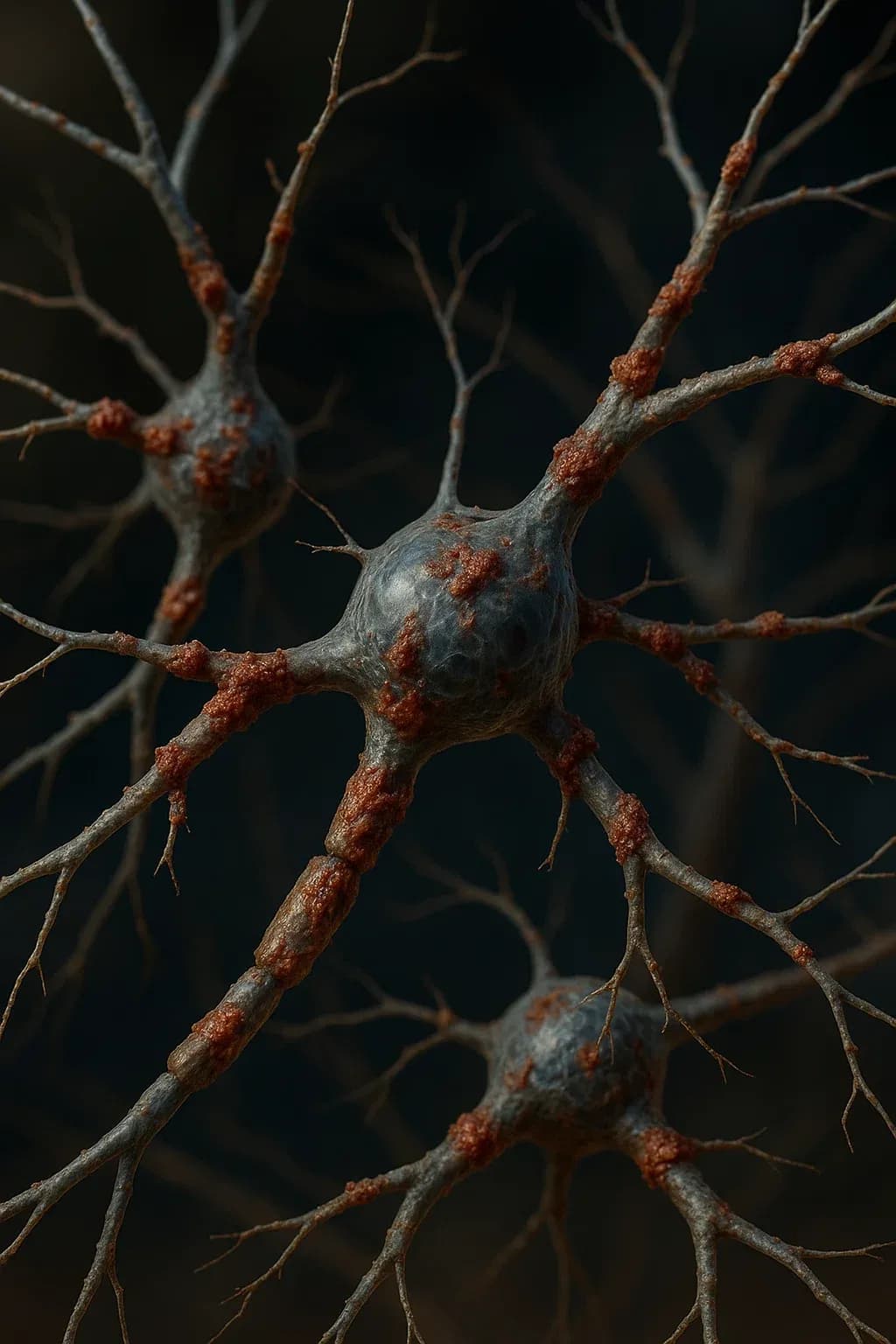
Peripheral neuropathy is a disorder that occurs when peripheral nerves malfunction due to damage or disease. This condition affects the communication between the central nervous system and the rest of the body, leading to a variety of symptoms such as numbness, tingling, pain, and weakness, predominantly in the hands and feet. Neuropathy can result from a multitude of causes including diabetes, infections, traumatic injuries, and exposure to toxins. Understanding the underlying cause is crucial for effective treatment. While it can be a chronic condition, there are treatments available that can alleviate symptoms and improve quality of life. Medications, physical therapy, and lifestyle changes play pivotal roles in managing neuropathy.
Symptoms and Causes of Neuropathy
The symptoms of neuropathy are diverse, varying widely based on the type and severity of nerve damage. Common symptoms include numbness, tingling, sharp or burning pain, and muscle weakness, with the hands and feet often being the most affected areas. These symptoms can lead to severe discomfort and can significantly impact daily activities. The causes of neuropathy are equally varied, with diabetes being the most prevalent. Other causes include autoimmune diseases, infections such as shingles or Lyme disease, inherited disorders, and physical trauma. Lifestyle factors, including excessive alcohol consumption and exposure to toxic substances, also contribute to nerve damage. Identifying the precise cause is essential for determining the most effective treatment strategy.
Treatment Options and Management
While there is no definitive cure for neuropathy, several treatments can significantly ease symptoms and prevent further nerve damage. Medications such as pain relievers, anti-seizure drugs, and antidepressants are commonly prescribed to manage pain and discomfort. In some cases, topical treatments and patches can provide localized relief. Physical therapy plays a vital role in enhancing mobility and strength, often recommended alongside occupational therapy to help patients adapt to their environment. Lifestyle modifications, such as improved diet, regular exercise, and quitting smoking, can further mitigate symptoms and slow progression. For specific causes like diabetes, managing blood sugar levels is crucial. Emerging treatments, including nerve stimulation and regenerative therapies, offer promising avenues for more effective management in the future.

Discussion
No comments yet
Be the first to share your opinion!

Jennifer Trimbee

Aug 19, 2025

0 reading now
What Causes Cysts and When to Worry
Cysts are fluid-filled sacs that can develop in various parts of the body, including the skin, ovaries, and internal organs. They are usually benign, meaning they are not cancerous, and are often caused by blockages in ducts, cell proliferation, or infections. Hormonal changes, genetic factors, and chronic inflammatory conditions can also contribute to cyst formation. While most cysts are harmless and may resolve on their own, some can become problematic if they grow large, cause pain, or become infected. It's important to monitor cysts and seek medical advice if they change in size, color, or sensation, or if they occur in conjunction with other symptoms.
Read more
Jennifer Trimbee
Aug 19, 2025

Disclaimer
This site offers information designed for educational purposes only. You should not rely on any information on this site as a substitute for professional medical advice, diagnosis, treatment, or as a substitute for, professional counseling care, advice, diagnosis, or treatment. If you have any concerns or questions about your health, you should always consult with a physician or other healthcare professional.