Beyond "Hangry": Your Gut's Secret Power Over Your Mood
Your Health
Are you constantly battling mood swings, feeling inexplicable anxiety, or struggling with persistent low spirits? What if the secret to unlocking a more balanced and joyful emotional state wasn't hidden in a complex psychological theory, but rather right within your own digestive system? This insightful post delves deep into the fascinating and often overlooked connection between your gut health and your overall mental well-being, exploring the intricate relationship that science is only just beginning to fully comprehend. We'll uncover the mysteries of the "gut-brain axis," a sophisticated two-way communication system linking your enteric nervous system (the "second brain" in your gut) directly to your central nervous system. Discover how the trillions of microorganisms residing in your intestines – your gut microbiome – play a pivotal role in producing crucial neurotransmitters like serotonin, often dubbed the "happiness hormone," and dopamine, essential for motivation and pleasure. An imbalanced gut doesn't just lead to digestive discomfort; it can profoundly impact the production and regulation of these vital chemicals, throwing your mood into disarray. Furthermore, we'll examine how gut dysbiosis can trigger chronic inflammation, a silent intruder that doesn't just affect your body, but can cross the blood-brain barrier, influencing cognitive function, emotional stability, and increasing susceptibility to conditions like depression and anxiety. Learn why fostering a diverse and healthy microbiome is not just about digestion, but about building resilience against stress and enhancing your emotional fortitude. This comprehensive guide offers practical perspectives on how dietary choices, lifestyle adjustments, and understanding your unique gut profile can be transformative tools in cultivating a more positive outlook and achieving lasting emotional balance. Prepare to re-evaluate your approach to mental health and unlock the profound power of a healthy gut for a happier you.
Unlocking Mood: The Gut-Brain Axis and Your Emotional Health
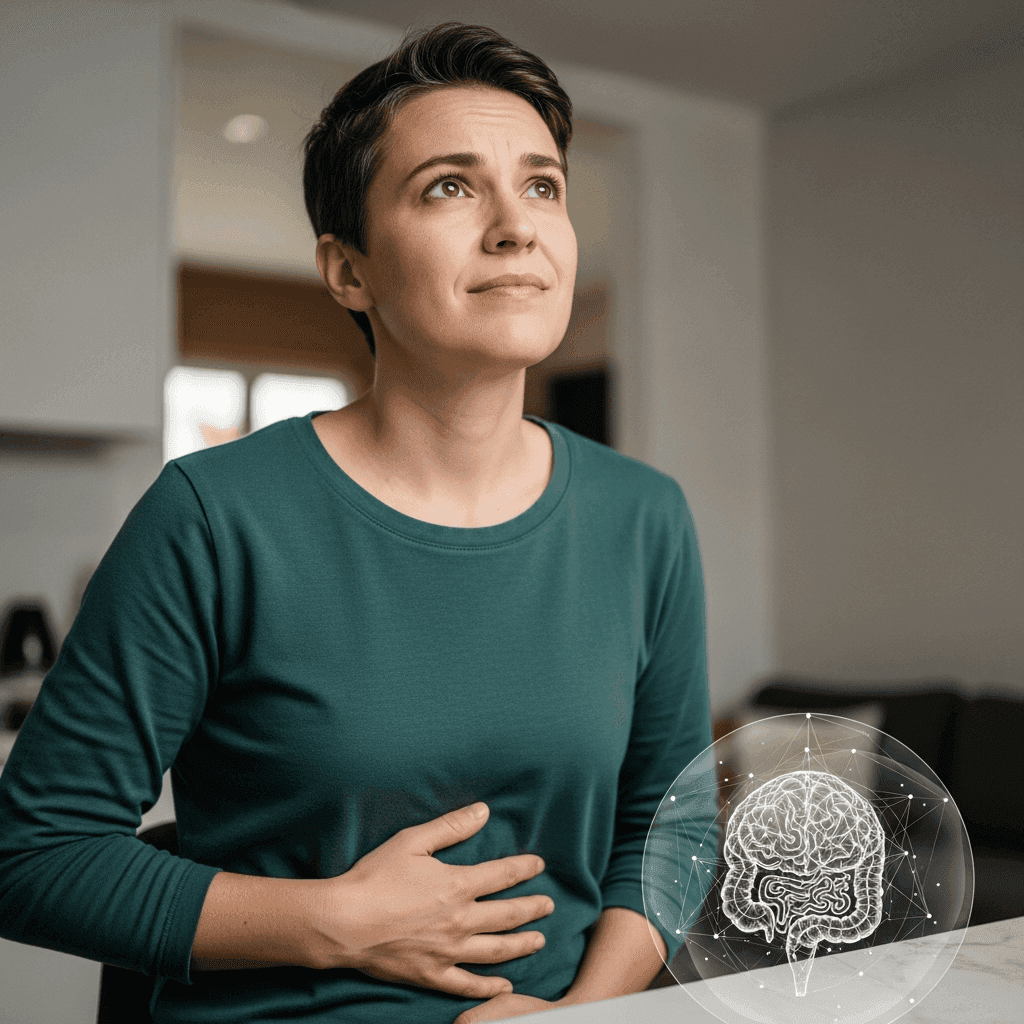
The intricate dance between your digestive system and your emotional state is orchestrated by a sophisticated communication superhighway known as the gut-brain axis. This isn't merely a one-way street; it's a dynamic, bidirectional dialogue linking your enteric nervous system, often dubbed your "second brain," directly to your central nervous system, which governs every thought and feeling. Within this axis, the trillions of microorganisms comprising your gut microbiome play a pivotal, often underestimated, role in shaping your mental landscape. These microscopic inhabitants are industrious factories, synthesizing up to 90% of your body's serotonin, the renowned "happiness hormone," alongside other crucial neurotransmitters like dopamine, essential for pleasure and motivation. When this delicate ecosystem, the gut microbiome, falls into imbalance – a state known as dysbiosis – the production and regulation of these vital mood-stabilizing chemicals can be severely disrupted, directly contributing to mood swings, inexplicable anxiety, and persistent low spirits. Moreover, gut dysbiosis can trigger chronic systemic inflammation, a silent aggressor that not only impacts physical health but crucially breaches the blood-brain barrier, exerting a profound influence on cognitive function, emotional resilience, and susceptibility to conditions such as depression and anxiety. Therefore, understanding and nurturing the gut-brain axis through informed dietary and lifestyle choices becomes an empowering strategy, offering a transformative pathway to cultivating a more positive outlook and achieving lasting emotional balance, fundamentally redefining our approach to mental well-being.

Your Gut's Secret: Connecting Digestion to Lasting Emotional Balance
It might seem counterintuitive to link your daily digestion directly to your deepest emotional states, yet a revolutionary understanding of the human body reveals an undeniable, powerful connection that underpins your mental well-being: the intricate world of your gut. Far from being merely a processing plant for food, your digestive system hosts an astonishingly complex ecosystem and an independent "second brain"—the enteric nervous system—which is in constant, sophisticated two-way communication with your central nervous system via the vagus nerve, forming what scientists call the gut-brain axis. Within this internal universe reside trillions of microorganisms, collectively known as your gut microbiome, whose health and diversity are profoundly intertwined with your mood. These microscopic residents aren't passive passengers; they are active architects of your emotional landscape, playing a pivotal role in the production of crucial neurotransmitters that regulate how you feel. For instance, a staggering majority of your body's serotonin, often lauded as the "happiness hormone," is synthesized right within your gut, alongside other vital compounds like dopamine, essential for motivation and pleasure. When your gut microbiome falls into an unhealthy state, known as dysbiosis, this delicate chemical factory falters, potentially leading to disrupted neurotransmitter levels that manifest as inexplicable mood swings, persistent anxiety, or a chronic sense of low spirits. Moreover, an imbalanced gut can trigger systemic inflammation, a silent intruder capable of crossing the protective blood-brain barrier to directly impact brain function, contributing to cognitive fog, emotional instability, and increasing susceptibility to mood disorders. Therefore, cultivating a diverse and thriving microbiome through mindful dietary choices and lifestyle adjustments is not just about avoiding digestive discomfort; it’s a foundational strategy for building profound resilience against stress, enhancing your emotional fortitude, and ultimately unlocking a more stable, joyful, and balanced mental state, proving that true happiness often starts deep within your digestive core.
Discussion
No comments yet
Be the first to share your opinion!

Jennifer Trimbee

Aug 19, 2025

0 reading now
What Causes Cysts and When to Worry
Cysts are fluid-filled sacs that can develop in various parts of the body, including the skin, ovaries, and internal organs. They are usually benign, meaning they are not cancerous, and are often caused by blockages in ducts, cell proliferation, or infections. Hormonal changes, genetic factors, and chronic inflammatory conditions can also contribute to cyst formation. While most cysts are harmless and may resolve on their own, some can become problematic if they grow large, cause pain, or become infected. It's important to monitor cysts and seek medical advice if they change in size, color, or sensation, or if they occur in conjunction with other symptoms.
Read more
Jennifer Trimbee
Aug 19, 2025
Disclaimer
This site offers information designed for educational purposes only. You should not rely on any information on this site as a substitute for professional medical advice, diagnosis, treatment, or as a substitute for, professional counseling care, advice, diagnosis, or treatment. If you have any concerns or questions about your health, you should always consult with a physician or other healthcare professional.