
Unleash Your Inner Hero: Sleep, Your Ultimate Superpower for Success
Your Health
Unlock the incredible power of quality sleep to boost your cognitive function, enhance mood, and improve overall well-being. Discover why sleep is your superpower for a healthier life. Beyond simply resting, sleep is a fundamental biological necessity that acts as your body's most potent tool for repair, rejuvenation, and optimal performance. Many underestimate the profound impact of consistent, restorative sleep on nearly every aspect of their lives, from their ability to concentrate at work to their physical resilience against illness. This vital period of unconsciousness is not merely an absence of activity; it is an active state where your brain processes information, consolidates memories, and clears metabolic waste, while your body repairs tissues, synthesizes hormones, and strengthens its immune defenses. Recognizing sleep as your ultimate superpower means understanding its critical role in boosting cognitive function, fostering emotional stability, and significantly improving your overall well-being. Embracing proper sleep hygiene and prioritizing your nightly rest can unlock unparalleled levels of energy, creativity, and problem-solving abilities, transforming your daily experiences and long-term health prospects. It’s time to stop viewing sleep as a luxury and start treating it as the non-negotiable foundation for a life lived to its fullest potential, impacting everything from mental clarity to physical recovery.
The Unseen Power of Restorative Sleep for Peak Cognitive Performance
Often dismissed as mere downtime, restorative sleep is, in fact, an active and essential process critical for peak cognitive function and overall brain health. During deep sleep, your brain undergoes an incredible 'cleaning' cycle, flushing out toxins and consolidating memories from the day, which directly enhances learning and retention. Studies consistently show that individuals who prioritize quality sleep exhibit superior problem-solving skills, improved focus, and faster reaction times compared to their sleep-deprived counterparts. For instance, a lack of sufficient rest can impair decision-making abilities, leading to increased errors in complex tasks, much like operating a machine without proper maintenance. Furthermore, adequate sleep plays a pivotal role in emotional regulation; insufficient rest can exacerbate feelings of stress, anxiety, and irritability, making it harder to navigate daily challenges. Beyond mental acumen, sleep is crucial for physical health and athletic recovery. It's during these quiet hours that the body repairs muscle tissue, synthesizes proteins, and releases growth hormones, making it indispensable for athletes and anyone seeking physical resilience. Prioritizing consistent, high-quality sleep acts as a daily reset for your entire system, optimizing everything from cellular repair to mental clarity, fundamentally answering the question of how sleep profoundly improves brain function and contributes to a resilient, high-performing self.
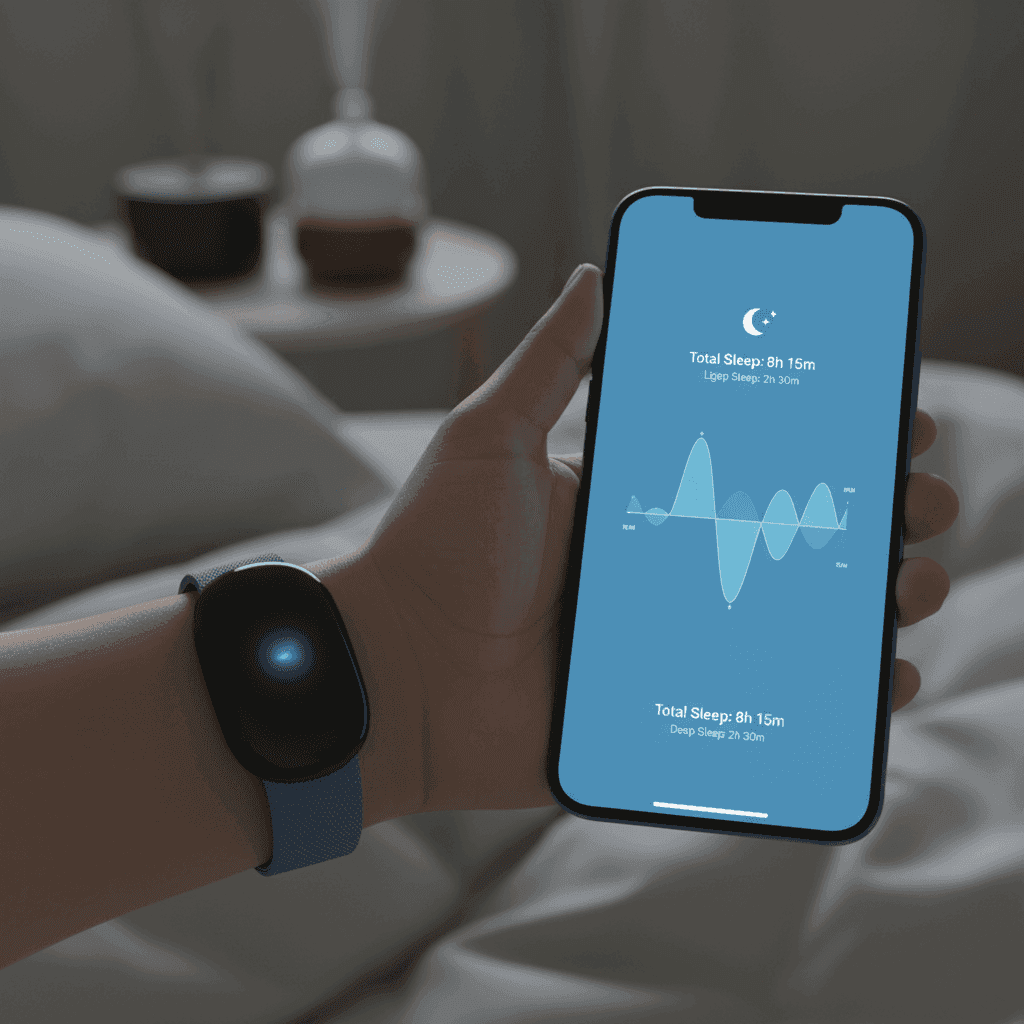
Unlocking Your Potential: Practical Steps for Superior Sleep Hygiene
Transforming your sleep from a mere habit into a powerful ritual for success requires adopting effective sleep hygiene practices and understanding your body's natural circadian rhythm. One of the most impactful steps is establishing a consistent sleep schedule, even on weekends, which helps to regulate your internal body clock and signal to your system when it’s time to wind down and wake up. Creating an optimal sleep environment is equally crucial: ensure your bedroom is dark, quiet, and cool, ideally between 60-67°F (15-19°C), to facilitate deep, uninterrupted rest. Limiting exposure to blue light from screens (phones, tablets, computers) at least an hour before bed can significantly improve melatonin production, the hormone essential for signaling sleep. Additionally, incorporating mindful relaxation techniques, such as deep breathing exercises or light stretching, into your pre-sleep routine can calm a busy mind and prepare your body for rest. Avoiding heavy meals, excessive caffeine, and alcohol close to bedtime are also key components of good sleep hygiene, as these can disrupt the natural sleep cycle. By systematically implementing these practical steps, you are not just aiming for more sleep, but better quality sleep, thereby answering the common query of what are the best tips for better sleep, and empowering yourself to unlock greater energy, mental clarity, and overall well-being.


Jennifer Trimbee

Aug 19, 2025

0 reading now
What Causes Cysts and When to Worry
Cysts are fluid-filled sacs that can develop in various parts of the body, including the skin, ovaries, and internal organs. They are usually benign, meaning they are not cancerous, and are often caused by blockages in ducts, cell proliferation, or infections. Hormonal changes, genetic factors, and chronic inflammatory conditions can also contribute to cyst formation. While most cysts are harmless and may resolve on their own, some can become problematic if they grow large, cause pain, or become infected. It's important to monitor cysts and seek medical advice if they change in size, color, or sensation, or if they occur in conjunction with other symptoms.
Read more
Jennifer Trimbee
Aug 19, 2025

Disclaimer
This site offers information designed for educational purposes only. You should not rely on any information on this site as a substitute for professional medical advice, diagnosis, treatment, or as a substitute for, professional counseling care, advice, diagnosis, or treatment. If you have any concerns or questions about your health, you should always consult with a physician or other healthcare professional.


Discussion
0No comments yet
Be the first to share your thoughts on this article.