
Beyond Butterflies: Your Gut's Surprising Link to Your Mood
Your Health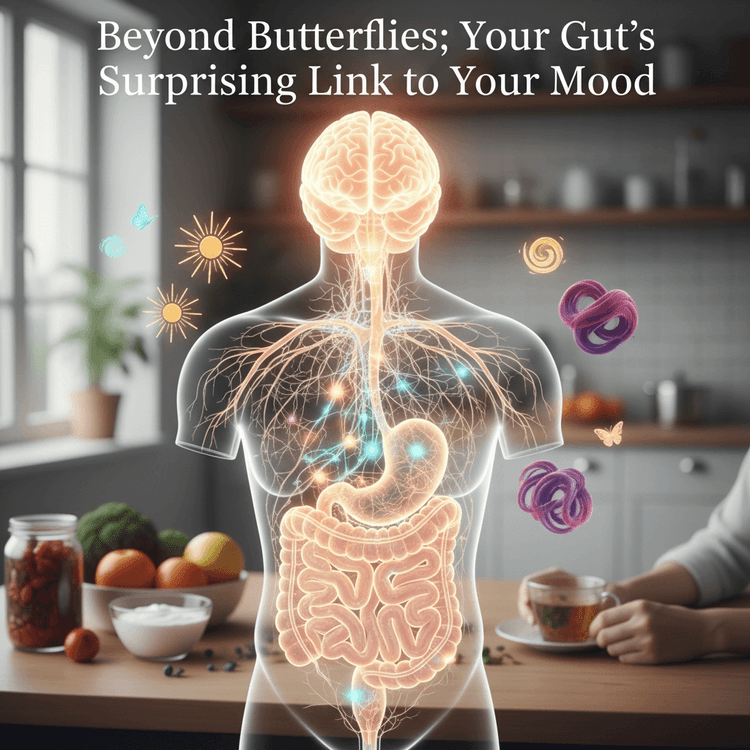
Have you ever noticed how a pang of anxiety can churn your stomach, or how certain foods leave you feeling sluggish and irritable, not just physically but emotionally? These aren't just random occurrences; they're profound signals from the often-overlooked control center of your well-being: your gut. In our latest deep dive, "Your Gut: The Mood Connection," we pull back the curtain on this intricate, bidirectional highway that links your digestive system directly to your emotional state. Prepare to revolutionize your understanding of mental health as we explore the astonishing science behind the gut-brain axis and its profound influence on everything from daily stress and anxiety to happiness and overall emotional resilience. This comprehensive exploration will illuminate how your gut, often referred to as your "second brain," is far more than just a food processor. It's a bustling metropolis of trillions of microorganisms – your microbiome – which collectively play a pivotal role in the production of crucial neurotransmitters, including a staggering 90% of your body's serotonin, often celebrated as the "happiness chemical." When this delicate ecosystem is out of balance, the consequences can ripple throughout your entire system, contributing to mood swings, persistent low mood, heightened stress responses, and even exacerbating symptoms of anxiety and depression. We'll delve into the fascinating role of the vagus nerve, the primary superhighway for communication between your gut and brain, revealing how signals of inflammation, stress, or nutrient deficiencies originating in your digestive tract can directly impact your cognitive function and emotional stability. Beyond understanding the 'why,' this post offers empowering insights into the 'how.' We'll guide you through actionable strategies to cultivate a vibrant, harmonious gut environment, paving the way for improved mental clarity and emotional well-being. Discover the power of specific nutrient-dense foods that nourish beneficial gut bacteria, explore the world of prebiotics and probiotics, and learn about essential lifestyle adjustments that can significantly impact your gut health and, by extension, your mood. We'll cover topics like the impact of stress on the gut, the role of fermented foods, and how mindful eating practices can create a positive feedback loop for both your digestive and psychological health. This isn't merely about avoiding physical discomfort; it's about harnessing the immense power of your internal ecosystem to unlock a more stable, joyful, and resilient version of yourself. Prepare to transform your approach to holistic health, recognizing that true emotional balance often begins with nurturing a happy, healthy gut. Embrace the connection and embark on a journey towards a brighter, more balanced mood, one gut-friendly choice at a time.
Unveiling the Gut-Brain Axis: Your Mood's Hidden Control Center
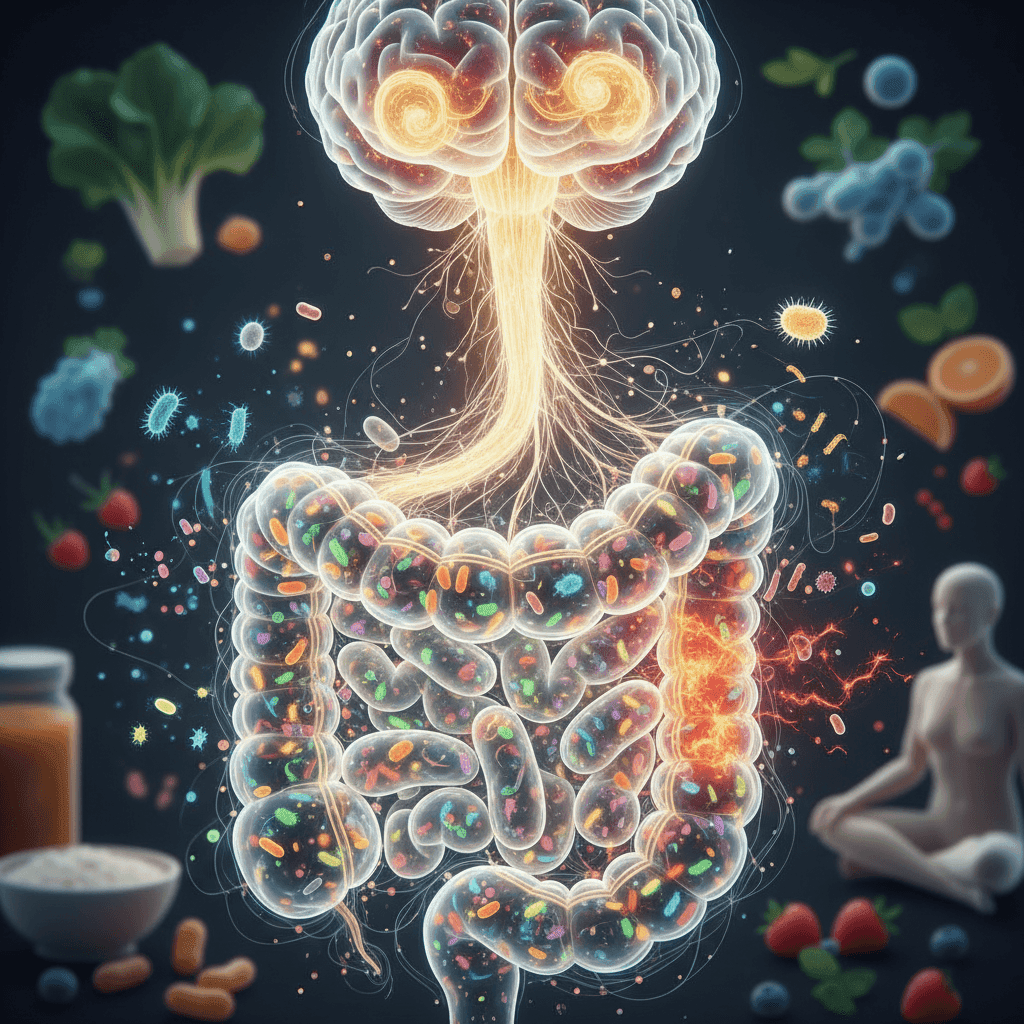
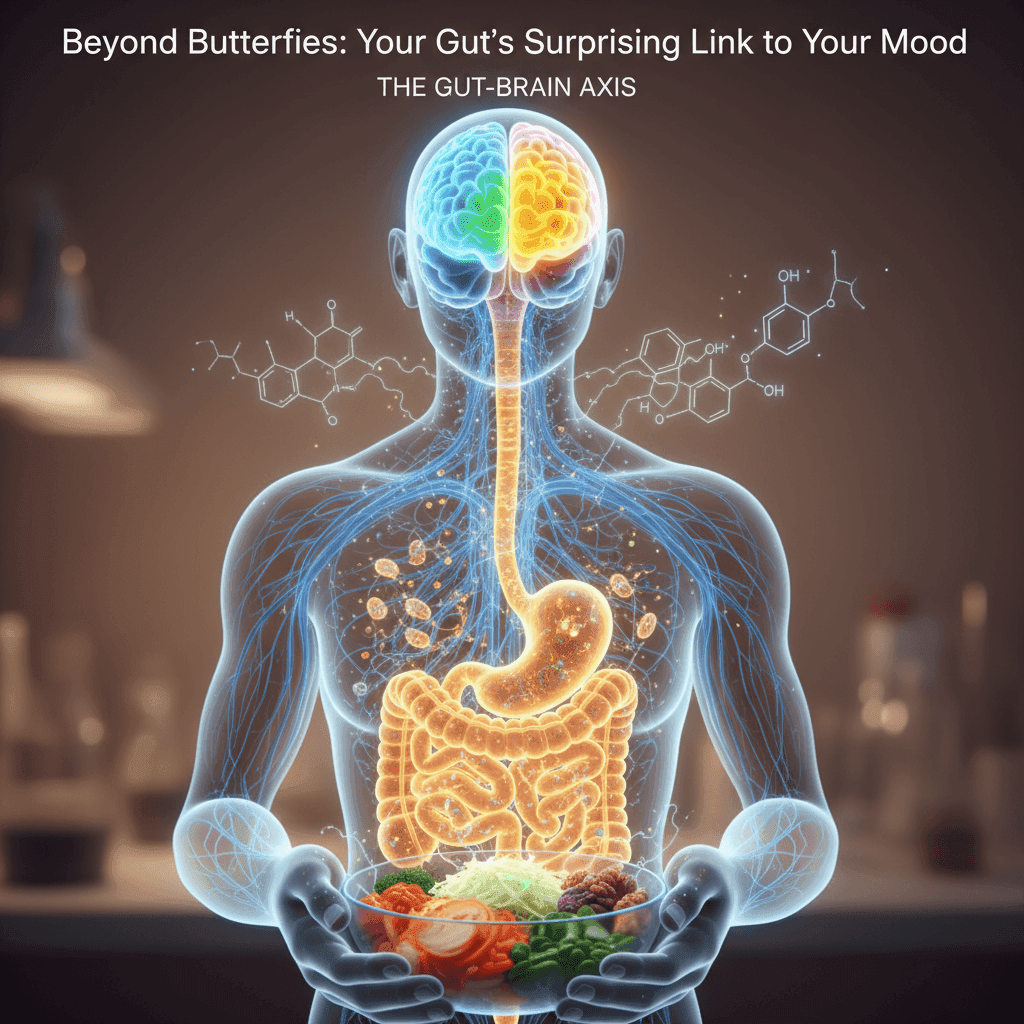
Beyond the obvious function of digesting food, your gut orchestrates a profound and often-underestimated influence over your emotional landscape, acting as a crucial, yet frequently overlooked, control center for your mood and overall mental well-being. This intricate, bidirectional communication network is known as the gut-brain axis, a sophisticated superhighway constantly transmitting vital information between your digestive system and your brain. It's not merely a metaphor to call your gut your "second brain"; it houses an astonishing metropolis of trillions of microorganisms, collectively termed your microbiome, which are deeply involved in manufacturing essential neurotransmitters. Indeed, a staggering 90% of your body's serotonin, often dubbed the "happiness chemical," is produced right within your gut. When this delicate internal ecosystem falls out of balance, whether due to diet, stress, or other environmental factors, the ripple effects can be immediate and profound, manifesting as heightened anxiety, persistent low mood, irritability, and even exacerbating symptoms of depression. The vagus nerve serves as the primary conduit for this vital exchange, signaling everything from inflammation to nutrient availability, directly impacting your cognitive function and emotional stability. Understanding this fundamental connection is the first pivotal step towards unlocking a more resilient, joyful, and stable emotional state, recognizing that true mood regulation extends far beyond the confines of your skull and is deeply rooted in the health of your intricate digestive world.
The Gut-Brain Axis: Revolutionizing Your Emotional Health
The gut-brain axis represents one of the most profound and revolutionary understandings in modern health science, fundamentally reshaping our perspective on emotional well-being. Far from being a mere digestive organ, your gut is a complex "second brain," hosting trillions of microorganisms collectively known as your microbiome, which orchestrate a vast array of physiological processes extending far beyond nutrient absorption. This intricate internal ecosystem is a pivotal factory for critical neurotransmitters, notably producing an astonishing 90% of your body's serotonin, often dubbed the "happiness chemical." This constant, bidirectional dialogue between your gut and your brain, primarily facilitated by the superhighway of the vagus nerve, means that the state of your digestive health is inextricably linked to your mental and emotional landscape. When this delicate balance is disrupted by factors like inflammation, stress, or dietary imbalances, the repercussions can ripple directly to your brain, manifesting as mood swings, persistent low mood, heightened anxiety, and even exacerbating symptoms of depression. Embracing the science of the gut-brain axis empowers you to unlock a new paradigm of emotional resilience and mental clarity, recognizing that proactive care for your gut through mindful nutrition and lifestyle choices is a direct investment in a more stable, joyful, and holistically balanced emotional self. This deep connection compels us to transform our approach to mental health, illuminating the critical truth that a vibrant, thriving gut is often the cornerstone of a vibrant, thriving mind.

Jennifer Trimbee

Aug 19, 2025

0 reading now
What Causes Cysts and When to Worry
Cysts are fluid-filled sacs that can develop in various parts of the body, including the skin, ovaries, and internal organs. They are usually benign, meaning they are not cancerous, and are often caused by blockages in ducts, cell proliferation, or infections. Hormonal changes, genetic factors, and chronic inflammatory conditions can also contribute to cyst formation. While most cysts are harmless and may resolve on their own, some can become problematic if they grow large, cause pain, or become infected. It's important to monitor cysts and seek medical advice if they change in size, color, or sensation, or if they occur in conjunction with other symptoms.
Read more
Jennifer Trimbee
Aug 19, 2025
Disclaimer
This site offers information designed for educational purposes only. You should not rely on any information on this site as a substitute for professional medical advice, diagnosis, treatment, or as a substitute for, professional counseling care, advice, diagnosis, or treatment. If you have any concerns or questions about your health, you should always consult with a physician or other healthcare professional.

Discussion
0No comments yet
Be the first to share your thoughts on this article.