Understanding the Link Between High Potassium and Health
Lifestyle and Welness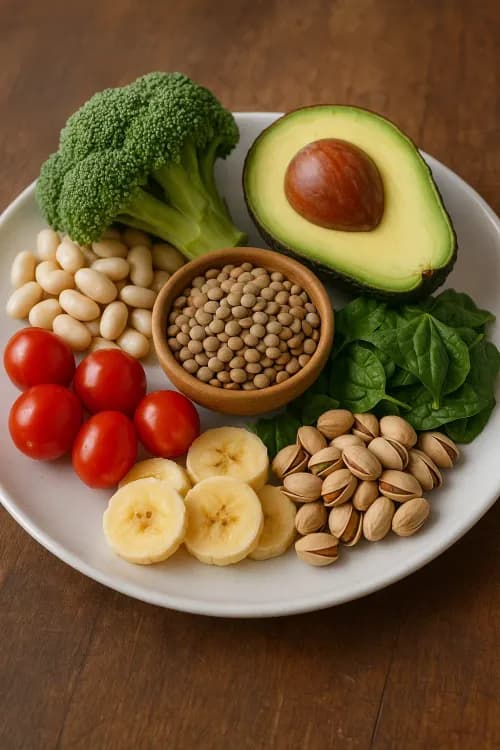
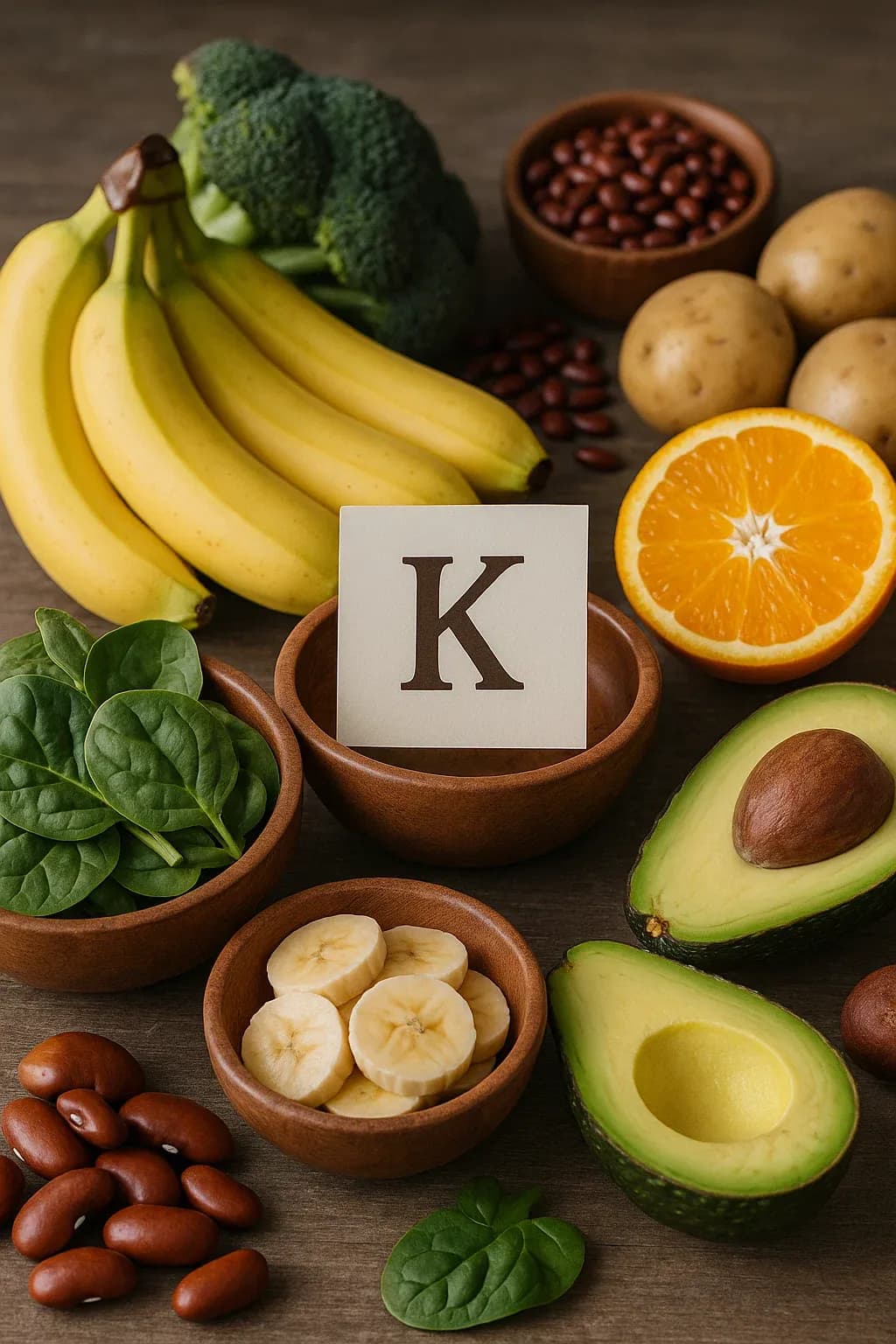
Potassium is a vital mineral that plays a critical role in maintaining various bodily functions. It is essential for nerve function, muscle contractions, and maintaining fluid balance in your body. High potassium levels, medically known as hyperkalemia, can have significant health implications if not managed properly. Understanding the link between potassium and health involves knowing its sources, benefits, potential risks, and how to maintain optimal levels in the body. Potassium-rich foods like bananas, oranges, spinach, and potatoes offer numerous health benefits, including helping to lower blood pressure, reduce the risk of kidney stones, and support bone health. However, excessive potassium can lead to health issues, particularly in individuals with underlying kidney problems. The kidneys are responsible for regulating potassium levels, and any impairment in their function can result in potassium buildup, which can be dangerous. Symptoms of high potassium levels include fatigue, muscle weakness, and abnormal heart rhythms. Thus, it's crucial for individuals, especially those with kidney concerns, to monitor their potassium intake and consult healthcare providers for personalized dietary recommendations.
The Benefits of Potassium for Your Health
Potassium plays an essential role in numerous physiological processes that are crucial for maintaining good health. It helps in regulating fluid balance, nerve signals, and muscle contractions, which are vital for overall body function. Consuming a diet rich in potassium can help reduce blood pressure levels, as it counteracts the effects of sodium. This is particularly beneficial for individuals at risk of hypertension, helping to lower the likelihood of cardiovascular diseases. Moreover, potassium aids in reducing the formation of kidney stones by decreasing calcium levels in urine. This not only supports kidney health but also minimizes the risk of developing painful stones. Additionally, potassium contributes to bone health by reducing bone loss, thus decreasing the risk of osteoporosis. Foods high in potassium, such as fruits and vegetables, are also rich in other nutrients and offer a range of health benefits. However, while potassium is beneficial, maintaining its balance is key, as excess potassium can lead to health complications.
Managing High Potassium Levels
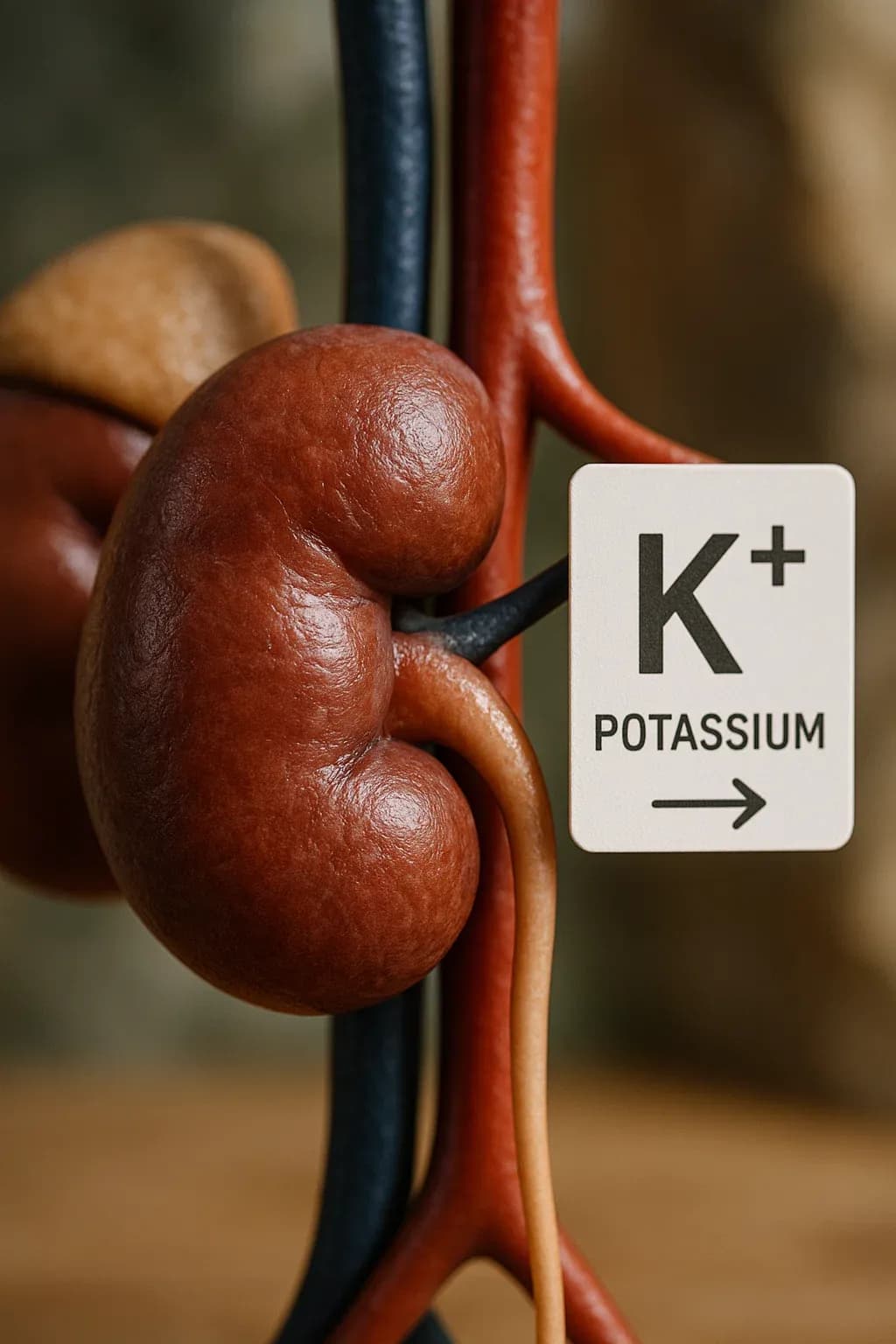
Hyperkalemia, or high potassium levels, can be a potentially serious condition that requires careful management. It is often a concern for individuals with impaired kidney function, as the kidneys play a crucial role in excreting excess potassium. Without proper regulation, potassium can accumulate in the bloodstream, leading to health issues such as muscle weakness, fatigue, and in severe cases, life-threatening heart arrhythmias. To manage potassium levels effectively, individuals should be aware of their dietary intake, focusing on foods with lower potassium content if necessary. Regular monitoring of blood potassium levels is essential for those at risk. Healthcare providers may recommend a low-potassium diet or medications to help the body eliminate excess potassium. Additionally, managing other health conditions that affect potassium levels, such as diabetes or heart failure, is crucial for maintaining balance. For those who require it, dietary adjustments should be done under medical supervision to ensure nutritional needs are still met without compromising health.
Discussion
No comments yet
Be the first to share your opinion!

Jennifer Trimbee

Aug 19, 2025

0 reading now
What Causes Cysts and When to Worry
Cysts are fluid-filled sacs that can develop in various parts of the body, including the skin, ovaries, and internal organs. They are usually benign, meaning they are not cancerous, and are often caused by blockages in ducts, cell proliferation, or infections. Hormonal changes, genetic factors, and chronic inflammatory conditions can also contribute to cyst formation. While most cysts are harmless and may resolve on their own, some can become problematic if they grow large, cause pain, or become infected. It's important to monitor cysts and seek medical advice if they change in size, color, or sensation, or if they occur in conjunction with other symptoms.
Read more
Jennifer Trimbee
Aug 19, 2025
Disclaimer
This site offers information designed for educational purposes only. You should not rely on any information on this site as a substitute for professional medical advice, diagnosis, treatment, or as a substitute for, professional counseling care, advice, diagnosis, or treatment. If you have any concerns or questions about your health, you should always consult with a physician or other healthcare professional.