How Emotions Shape Your Eating Habits
Lifestyle and Welness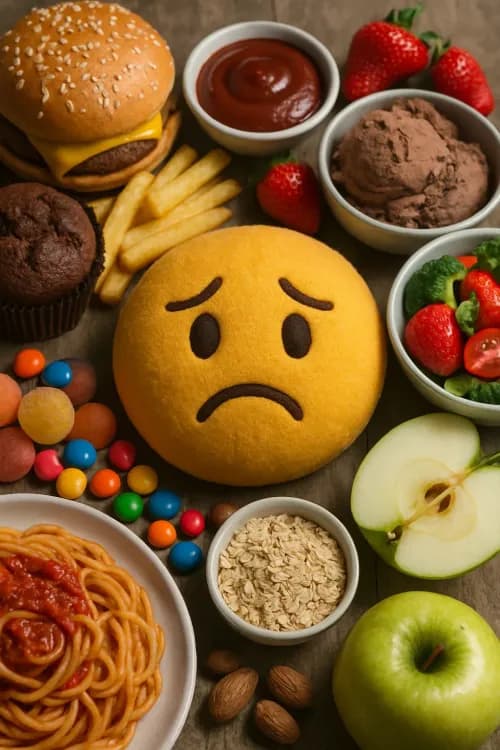
Emotions play a significant role in determining our eating habits, often influencing what, when, and how much we eat. Emotional eating is a common phenomenon where individuals consume food as a way to cope with feelings rather than to satisfy hunger. This habit can lead to overeating and, subsequently, weight gain or other health issues. Studies have shown that people often reach for comfort foods when they are stressed, anxious, or depressed. These foods are typically high in sugar and fat, providing a temporary sense of relief or pleasure. However, this can create a cycle of emotional eating that becomes hard to break. Understanding the connection between emotions and eating can help individuals recognize triggers and develop healthier coping mechanisms.
The Emotional Connection to Food
Many people do not realize how closely linked their emotions are to their eating behaviors. When we experience strong emotions, whether positive or negative, our body's natural response can be to reach for food. This is because eating activates the brain's reward system, releasing dopamine and creating a momentary feeling of satisfaction. Over time, the association between emotions and eating can become deeply ingrained. For instance, someone might eat ice cream when they feel sad because it reminds them of childhood comfort, or they might overindulge in snacks during a stressful work deadline. Recognizing these patterns is the first step toward managing emotional eating. By identifying emotional triggers, individuals can begin to develop healthier responses and strategies to cope without relying on food.

Breaking the Cycle of Emotional Eating
Breaking free from the cycle of emotional eating requires both awareness and action. Once you identify the triggers that lead to emotional eating, the next step is to develop alternative coping strategies. This might include practicing mindfulness, engaging in physical activity, or seeking support from friends, family, or professionals. Mindfulness can help individuals become more attuned to their body's hunger signals and distinguish between emotional and physical hunger. Physical activity, on the other hand, serves as a healthy outlet for stress and negative emotions. Additionally, talking to someone about emotional challenges can provide relief and reduce the urge to eat as a coping mechanism. Ultimately, the goal is to build a healthier relationship with food, where it is seen as nourishment rather than a solution to emotional distress.

Discussion
No comments yet
Be the first to share your opinion!

Jennifer Trimbee

Aug 19, 2025

0 reading now
What Causes Cysts and When to Worry
Cysts are fluid-filled sacs that can develop in various parts of the body, including the skin, ovaries, and internal organs. They are usually benign, meaning they are not cancerous, and are often caused by blockages in ducts, cell proliferation, or infections. Hormonal changes, genetic factors, and chronic inflammatory conditions can also contribute to cyst formation. While most cysts are harmless and may resolve on their own, some can become problematic if they grow large, cause pain, or become infected. It's important to monitor cysts and seek medical advice if they change in size, color, or sensation, or if they occur in conjunction with other symptoms.
Read more
Jennifer Trimbee
Aug 19, 2025

Disclaimer
This site offers information designed for educational purposes only. You should not rely on any information on this site as a substitute for professional medical advice, diagnosis, treatment, or as a substitute for, professional counseling care, advice, diagnosis, or treatment. If you have any concerns or questions about your health, you should always consult with a physician or other healthcare professional.