The Benefits of Epsom Salt Baths
Lifestyle and Welness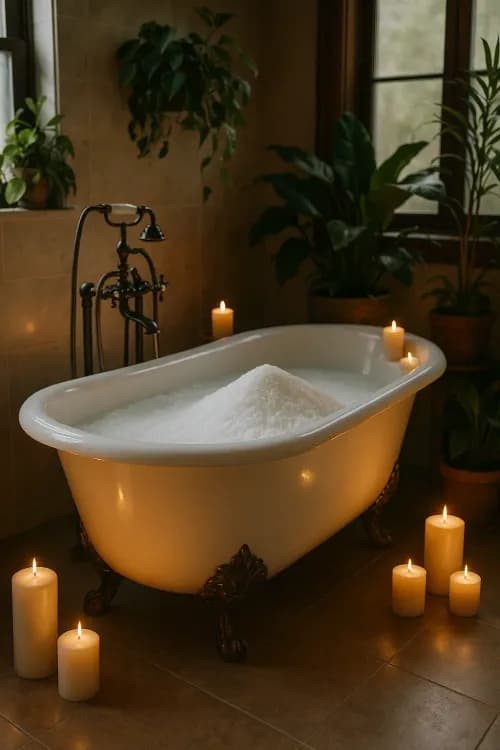
Epsom salt baths have been a staple in many households for decades, renowned for their various health benefits. These baths are not just a relaxing way to unwind after a long day, but they are also believed to offer multiple therapeutic advantages. Derived from magnesium sulfate, Epsom salt is a naturally occurring mineral compound that has been used in health and wellness practices across the globe. The primary component, magnesium, plays a crucial role in numerous bodily functions, including muscle and nerve function, blood glucose control, and blood pressure regulation. When Epsom salt is dissolved in warm water, it is thought to be absorbed through the skin, providing the body with a boost of magnesium and sulfate. This absorption mechanism is believed to help alleviate muscle soreness, reduce stress, and promote better sleep. Furthermore, Epsom salt baths are often touted for their ability to soften skin, making them a popular choice for those looking to improve their skin health.
Physical Benefits of Epsom Salt Baths
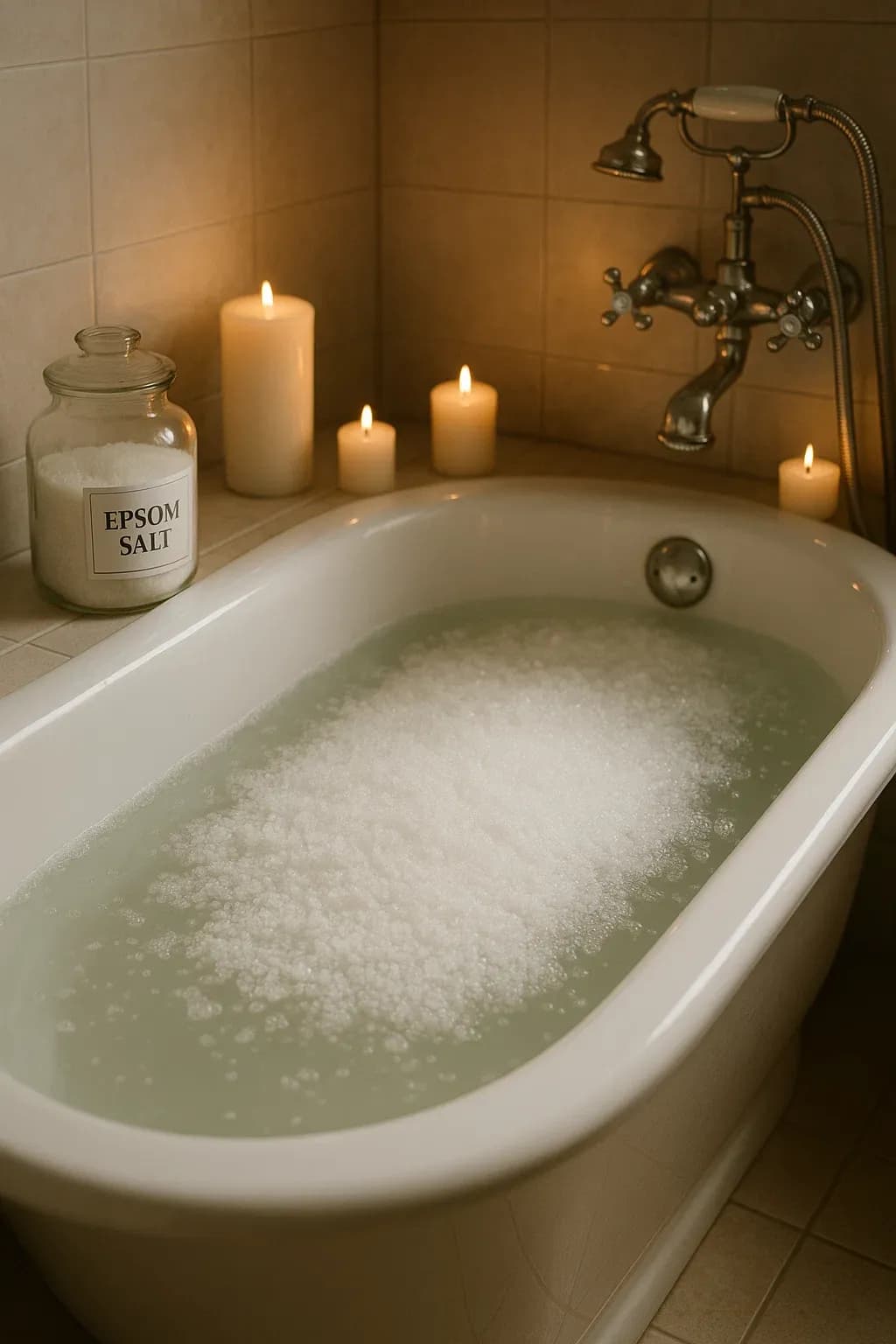
One of the most well-known benefits of Epsom salt baths is their purported ability to relieve muscle tension and pain. Athletes and fitness enthusiasts often use these baths as a recovery tool to soothe sore muscles after intense workouts. The magnesium in Epsom salt is thought to help relax muscles and reduce inflammation, which can be particularly beneficial for those suffering from conditions such as arthritis or fibromyalgia. Additionally, Epsom salt baths are believed to help flush out toxins and heavy metals from the body, which can contribute to improved overall physical health. The warm water also helps to open pores, allowing the skin to absorb the beneficial minerals while also clearing out impurities. Some studies suggest that regular Epsom salt baths may even help lower blood pressure and improve cardiovascular health by enhancing blood circulation.
Mental and Emotional Benefits
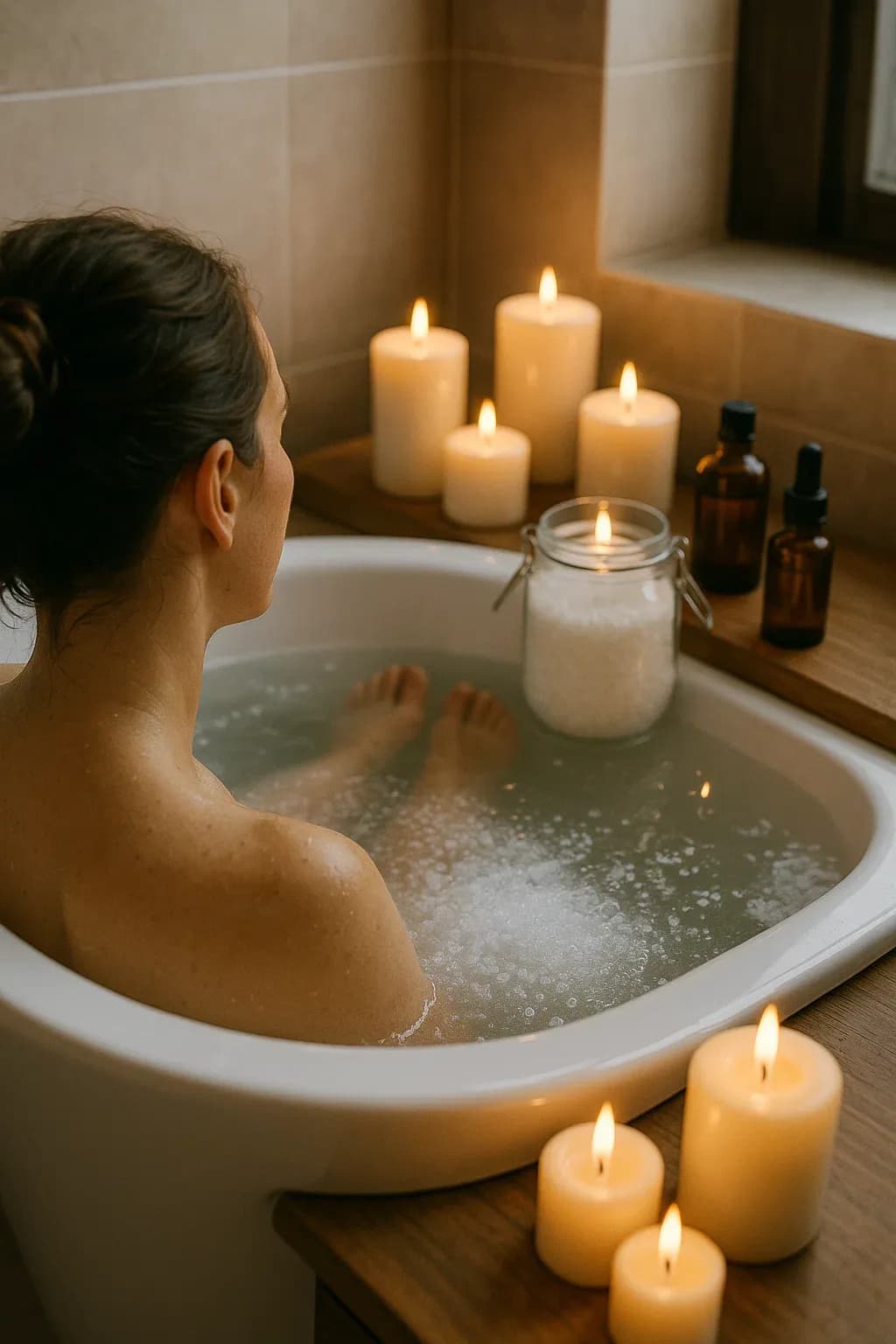
Beyond the physical advantages, Epsom salt baths are also highly regarded for their mental and emotional benefits. The calming effects of magnesium can help reduce stress and anxiety, making these baths an ideal way to unwind and de-stress. The act of soaking in a warm bath itself can be meditative, providing a quiet space for reflection and relaxation. For individuals suffering from insomnia or sleep disturbances, Epsom salt baths taken in the evening can promote more restful sleep by helping to regulate the production of melatonin, the hormone responsible for sleep cycles. Additionally, the soothing nature of these baths can elevate mood and provide a sense of calm and well-being, making them a valuable tool for those dealing with the pressures of modern life. Incorporating essential oils like lavender or chamomile into the bath can further enhance these mood-boosting effects, creating a spa-like experience at home.
Discussion
No comments yet
Be the first to share your opinion!

Jennifer Trimbee

Aug 19, 2025

0 reading now
What Causes Cysts and When to Worry
Cysts are fluid-filled sacs that can develop in various parts of the body, including the skin, ovaries, and internal organs. They are usually benign, meaning they are not cancerous, and are often caused by blockages in ducts, cell proliferation, or infections. Hormonal changes, genetic factors, and chronic inflammatory conditions can also contribute to cyst formation. While most cysts are harmless and may resolve on their own, some can become problematic if they grow large, cause pain, or become infected. It's important to monitor cysts and seek medical advice if they change in size, color, or sensation, or if they occur in conjunction with other symptoms.
Read more
Jennifer Trimbee
Aug 19, 2025

Disclaimer
This site offers information designed for educational purposes only. You should not rely on any information on this site as a substitute for professional medical advice, diagnosis, treatment, or as a substitute for, professional counseling care, advice, diagnosis, or treatment. If you have any concerns or questions about your health, you should always consult with a physician or other healthcare professional.