
Your Health at Risk: The Grave Dangers of Chronic Loneliness
Your Health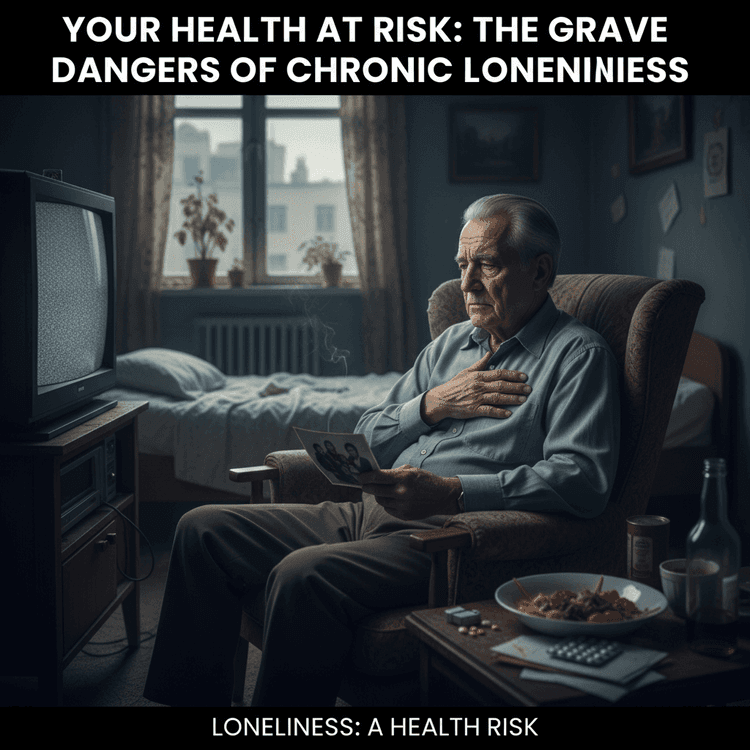
In an increasingly interconnected yet paradoxically isolated world, the silent epidemic of loneliness has emerged as a profound and often underestimated threat to our collective health and well-being. This insightful post delves deep into the critical topic of 'Loneliness: A Health Risk,' unraveling the complex layers of how prolonged feelings of social isolation and a perceived lack of meaningful connection can manifest into severe physical and mental health consequences. We explore beyond the common misconception that loneliness is merely a fleeting emotion, revealing it instead as a chronic condition with far-reaching implications, akin to well-established risk factors such as smoking, obesity, or physical inactivity. Discover how chronic loneliness significantly elevates the risk for a host of debilitating conditions, from cardiovascular diseases like hypertension, heart attack, and stroke, to a compromised immune system making individuals more susceptible to illness. The discussion extends to its devastating impact on mental health, detailing its strong links to depression, anxiety disorders, cognitive decline, and even an increased likelihood of developing dementia later in life. Furthermore, we examine the subtle ways loneliness can erode healthy habits, leading to poor sleep patterns, unhealthy dietary choices, and decreased motivation for physical activity, thereby creating a vicious cycle that perpetuates poor health. This post serves as a vital resource for understanding the pervasive nature of loneliness as more than just an emotional state, but a genuine public health concern that demands our urgent attention and proactive strategies for fostering genuine connection. It underscores the imperative to recognize the signs, understand the profound risks, and begin the crucial conversation around building more resilient, connected communities.
Loneliness: A Silent Epidemic and Public Health Crisis
In an increasingly interconnected yet paradoxically isolated world, the silent epidemic of loneliness has emerged as a profound and often underestimated threat to our collective health and well-being, transcending its perception as a mere fleeting emotion to become a genuine public health crisis demanding urgent attention. This pervasive phenomenon, characterized by a prolonged feeling of social isolation and a perceived lack of meaningful connection, silently erodes the foundations of individual and community health, mirroring the devastating impact of well-established risk factors such as chronic smoking, obesity, or physical inactivity. Far from being a personal failing, loneliness operates as a systemic challenge, infiltrating societal structures and impacting demographic groups across the spectrum, from adolescents grappling with digital disconnect to seniors experiencing the loss of loved ones and social networks. Its widespread presence and insidious nature mean that countless individuals are silently battling its detrimental effects on a daily basis, contributing to a substantial burden on healthcare systems and diminishing overall quality of life. Recognizing loneliness not just as an individual struggle but as a widespread societal issue, one that contributes significantly to preventable illness and reduced life expectancy, is the crucial first step towards dismantling its hold and fostering a more resilient, genuinely connected populace.
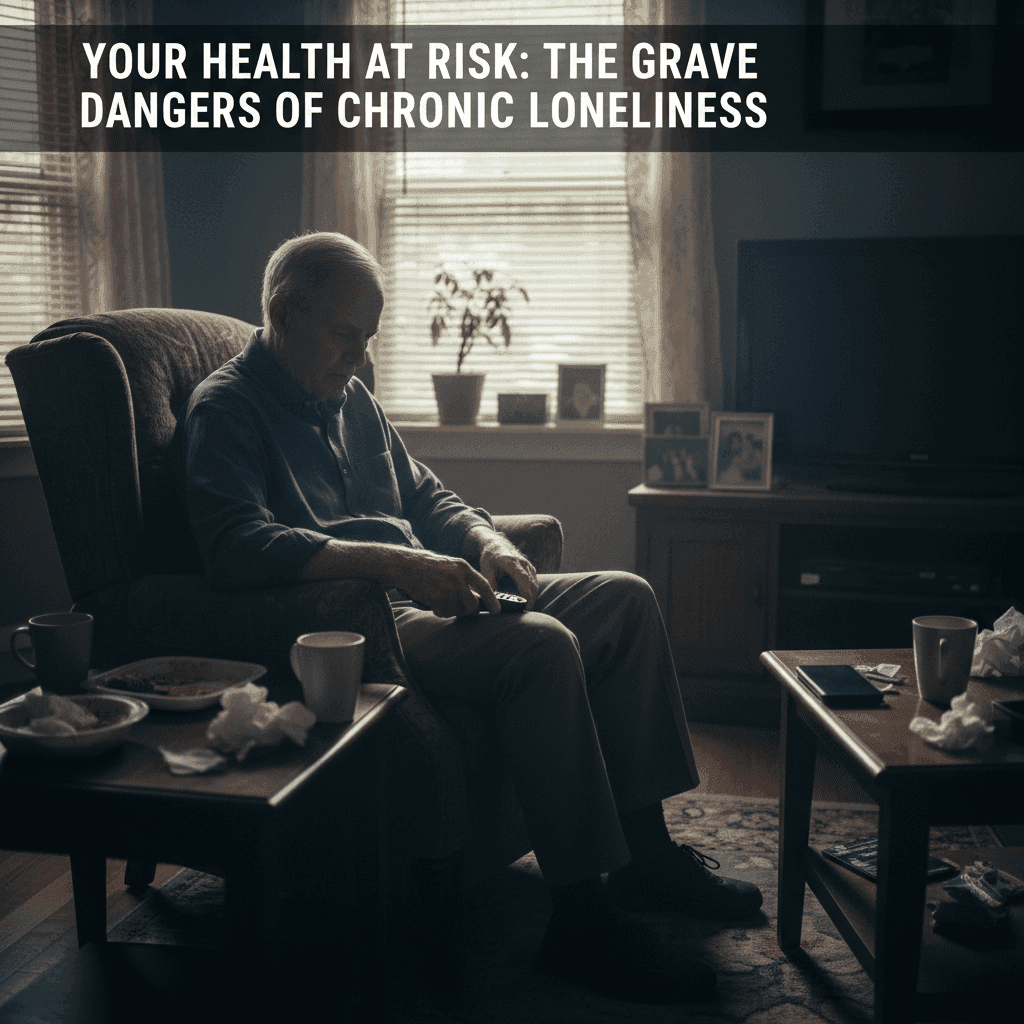
Loneliness: A Silent Epidemic and Public Health Crisis
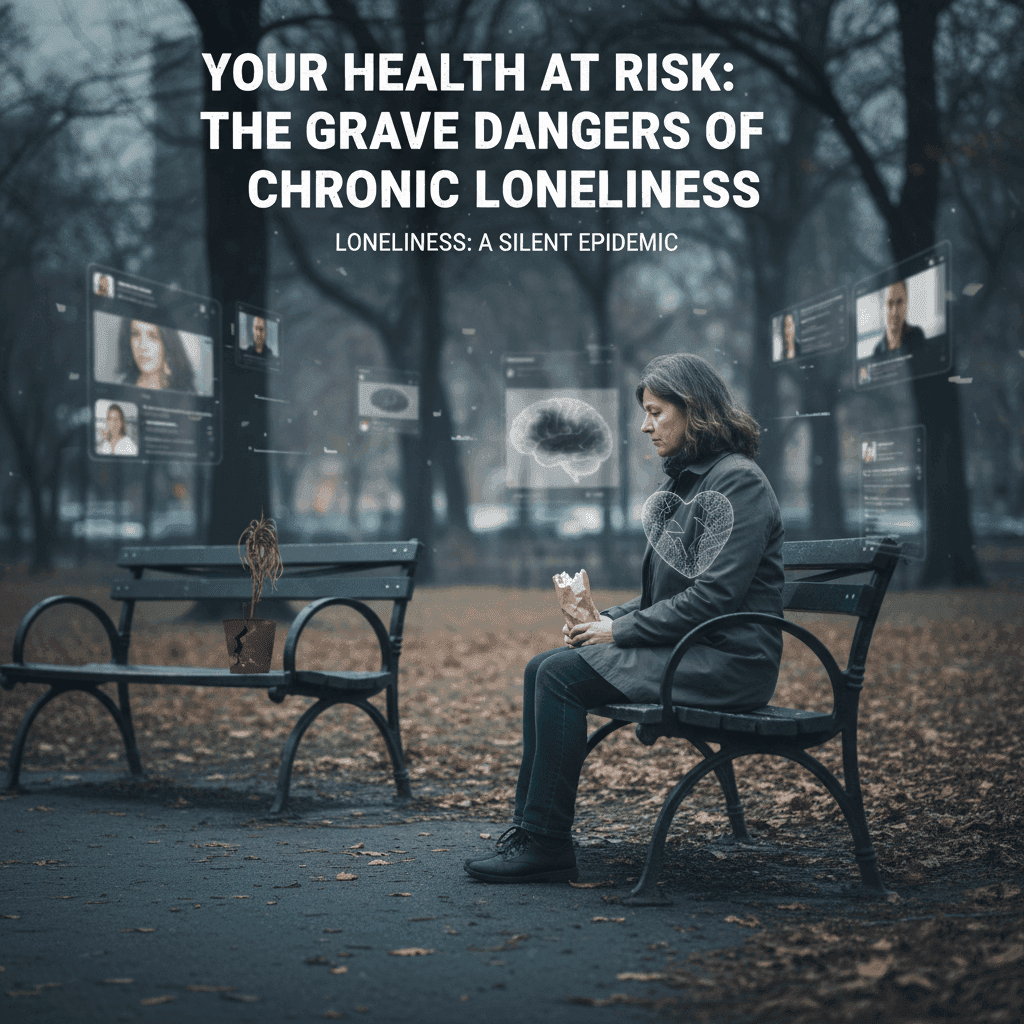
In an era defined by unprecedented digital connectivity, we find ourselves paradoxically navigating a deepening chasm of social isolation, giving rise to what can only be accurately termed a silent epidemic: loneliness. Far from being a mere fleeting pang of emotion, this pervasive state of perceived social isolation has metastasized into a chronic condition, an insidious force that quietly undermines the foundational pillars of individual and collective well-being without the overt recognition often afforded to more tangible health threats. This profound and underestimated phenomenon has transcended the realm of personal experience to emerge as a critical public health crisis, demanding the same urgent attention and strategic intervention as well-established risk factors like smoking, obesity, and physical inactivity. Its silence, however, makes it particularly dangerous; often hidden behind a veneer of normal functioning, chronic loneliness systematically erodes both physical and mental health. It doesn't just feel bad; it physiologically damages the body, significantly elevating the risk for a host of debilitating conditions including cardiovascular diseases such as hypertension, heart attack, and stroke, while simultaneously compromising the immune system and leaving individuals more susceptible to illness. Mentally, its grip is equally devastating, strongly linked to increased rates of depression, anxiety disorders, accelerated cognitive decline, and even a heightened propensity for developing dementia later in life. Furthermore, loneliness subtly sabotages healthy lifestyle choices, fostering poor sleep patterns, unhealthy dietary habits, and a decreased motivation for physical activity, thereby creating a vicious cycle that perpetuates poor health and amplifies its own devastating impact. Recognizing loneliness not as a personal failing, but as a genuine public health concern, is the imperative first step towards fostering genuinely connected and resilient communities.

Jennifer Trimbee

Aug 19, 2025

0 reading now
What Causes Cysts and When to Worry
Cysts are fluid-filled sacs that can develop in various parts of the body, including the skin, ovaries, and internal organs. They are usually benign, meaning they are not cancerous, and are often caused by blockages in ducts, cell proliferation, or infections. Hormonal changes, genetic factors, and chronic inflammatory conditions can also contribute to cyst formation. While most cysts are harmless and may resolve on their own, some can become problematic if they grow large, cause pain, or become infected. It's important to monitor cysts and seek medical advice if they change in size, color, or sensation, or if they occur in conjunction with other symptoms.
Read more
Jennifer Trimbee
Aug 19, 2025

Disclaimer
This site offers information designed for educational purposes only. You should not rely on any information on this site as a substitute for professional medical advice, diagnosis, treatment, or as a substitute for, professional counseling care, advice, diagnosis, or treatment. If you have any concerns or questions about your health, you should always consult with a physician or other healthcare professional.


Discussion
0No comments yet
Be the first to share your thoughts on this article.