
The Chameleon Conditions: When Diseases Pretend to Be Others
Diseases and Conditions
Embark on a profound journey into the intricate world of medical diagnostics, where the lines between distinct conditions often blur, presenting formidable challenges for healthcare professionals and patients alike. This comprehensive exploration delves into the fascinating yet often frustrating realm of "Diseases That Mimic," conditions notorious for their deceptive ability to masquerade as entirely different ailments. Imagine a scenario where a seemingly straightforward set of symptoms could point towards multiple, vastly different underlying causes – from benign conditions to severe, life-threatening diseases. This phenomenon is a cornerstone of diagnostic medicine, demanding an exceptional degree of clinical acumen, meticulous investigation, and a deep understanding of pathological nuances. Our discussion will meticulously unravel why certain diseases adopt such perplexing disguises. We’ll examine the mechanisms behind shared symptomology, exploring how everything from autoimmune disorders and neurological conditions to insidious infections and metabolic imbalances can present with astonishingly similar outward manifestations. This shared symptomatic landscape is precisely what makes early and accurate diagnosis an arduous undertaking, frequently leading to what is known as a "diagnostic odyssey" for countless individuals. Patients often face prolonged periods of uncertainty, undergoing numerous tests, consultations, and even receiving misdiagnoses that can result in inappropriate treatments, unnecessary anxiety, and a significant delay in accessing the care truly needed. This post aims to shed crucial light on the critical importance of differential diagnosis – the systematic process by which medical professionals distinguish a particular disease from others that present with similar clinical features. We will emphasize the indispensable role of a thorough patient history, a meticulous physical examination, and the strategic deployment of advanced diagnostic tools, including laboratory tests, imaging studies, and specialized consultations. Understanding the concept of mimickers is not just an academic exercise; it is fundamental to improving patient outcomes, reducing healthcare costs associated with ineffective treatments, and ultimately, enhancing the quality of life for those afflicted. This piece serves as an essential resource for anyone seeking to comprehend the complexities of medical diagnosis, from healthcare students and practitioners to patients advocating for their own health and curious minds eager to navigate the labyrinthine pathways of human illness. It underscores the continuous need for vigilance, critical thinking, and collaboration within the medical community to unmask these elusive conditions and provide precise, timely interventions.
Unmasking Diseases That Mimic: The Challenge of Medical Diagnosis
In the profound and often perplexing landscape of medical diagnostics, few phenomena present as significant a challenge as the existence of "diseases that mimic." These elusive conditions are notorious for their uncanny ability to masquerade as entirely different ailments, blurring the lines between distinct pathologies and frequently sending both healthcare professionals and patients on a laborious diagnostic odyssey. Imagine a scenario where a seemingly benign headache could obscure a severe neurological disorder, or persistent fatigue might be dismissed as stress when it signals an autoimmune crisis; this deceptive overlap demands an extraordinary degree of clinical acumen, meticulous investigation, and a deep understanding of pathological nuances. The shared symptomatic landscape, where conditions ranging from insidious infections and complex autoimmune disorders to subtle metabolic imbalances and neurological conditions can present with astonishingly similar outward manifestations, is precisely what renders early and accurate diagnosis an arduous undertaking. This inherent difficulty often leads to prolonged periods of uncertainty for patients, enduring countless tests, consultations, and the disheartening prospect of misdiagnoses that delay appropriate treatment, fuel unnecessary anxiety, and significantly impede access to crucial care. Therefore, unmasking these medical chameleons is paramount, necessitating an unwavering commitment to systematic differential diagnosis, comprehensive patient histories, meticulous physical examinations, and the strategic deployment of advanced diagnostic tools, all underpinned by continuous vigilance and collaborative critical thinking within the medical community to ultimately ensure timely and precise interventions.

The Perplexing Nature of Medical Mimickers: A Diagnostic Odyssey
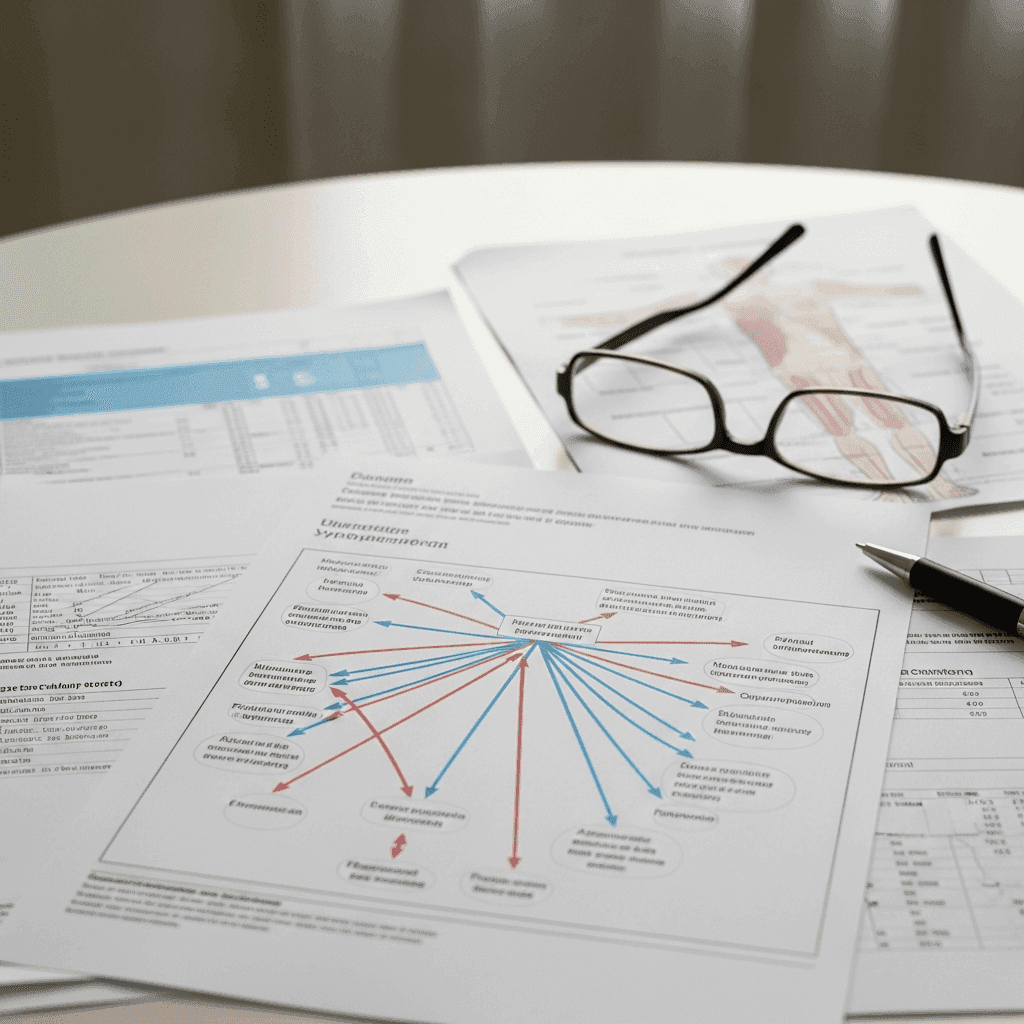
The realm of medical diagnostics is frequently complicated by an intriguing yet frustrating phenomenon: diseases that cunningly mimic entirely different conditions, creating a profound diagnostic odyssey for countless individuals. This perplexing nature stems from the fact that a wide array of ailments, ranging from insidious infections and autoimmune disorders to complex neurological conditions and subtle metabolic imbalances, can manifest with astonishingly similar outward symptoms. Imagine experiencing persistent fatigue, joint pain, and neurological disturbances; these symptoms could simultaneously point towards an autoimmune condition like lupus, a chronic infection such as Lyme disease, or even a less common neurodegenerative disorder. This shared symptomatic landscape is precisely what makes early and accurate identification an arduous undertaking, transforming what should be a straightforward path to treatment into a prolonged and often emotionally taxing journey of uncertainty. Patients frequently navigate a labyrinth of specialist consultations, undergo numerous invasive and non-invasive tests, and may even endure cycles of misdiagnosis and inappropriate treatments before the true underlying cause is finally unearthed. This protracted struggle not only delays access to the correct, life-altering care but also inflicts significant psychological and financial burdens, underscoring the critical importance of a meticulous differential diagnostic process, sharp clinical acumen, and an unwavering commitment to unraveling these medical enigmas to ensure timely and effective interventions.

Jennifer Trimbee

Aug 19, 2025

0 reading now
What Causes Cysts and When to Worry
Cysts are fluid-filled sacs that can develop in various parts of the body, including the skin, ovaries, and internal organs. They are usually benign, meaning they are not cancerous, and are often caused by blockages in ducts, cell proliferation, or infections. Hormonal changes, genetic factors, and chronic inflammatory conditions can also contribute to cyst formation. While most cysts are harmless and may resolve on their own, some can become problematic if they grow large, cause pain, or become infected. It's important to monitor cysts and seek medical advice if they change in size, color, or sensation, or if they occur in conjunction with other symptoms.
Read more
Jennifer Trimbee
Aug 19, 2025

Disclaimer
This site offers information designed for educational purposes only. You should not rely on any information on this site as a substitute for professional medical advice, diagnosis, treatment, or as a substitute for, professional counseling care, advice, diagnosis, or treatment. If you have any concerns or questions about your health, you should always consult with a physician or other healthcare professional.


Discussion
3This really helps explain why getting a diagnosis can be such a journey for some people.
This explains why some conditions are so hard to describe, even for the person experiencing them. It's like your body is playing tricks.
It's so frustrating when doctors can't pinpoint what's wrong, makes you feel like you're going crazy.