
Keeping Your Baby Safe This Summer
Family
As summer approaches, it’s important to ensure your baby stays safe during the warmer months. The heat and sun can pose specific risks, so taking preventive measures is crucial. This article will guide you through key tips to protect your little one from the summer elements while still allowing them to enjoy the sunshine. From sun protection to hydration and safe outdoor play, we’ll cover all the bases to give you peace of mind. Ensuring your baby’s safety in the summer involves thoughtful planning and understanding the potential hazards that come with the season. Whether you’re heading to the beach, planning a picnic in the park, or simply enjoying backyard play, these tips will help you keep your baby safe and comfortable. Remember to always be vigilant and prepared, as summer activities can sometimes bring unexpected challenges. Being informed and proactive will help you navigate through the season with ease, ensuring a happy and healthy summer for your little one.
Sun Protection and Hydration
The sun’s rays are strongest during the summer months, and protecting your baby’s sensitive skin is paramount. Always apply a baby-friendly sunscreen with at least SPF 30, and make sure to reapply every two hours, especially if they’re playing in water or sweating. Dress your baby in lightweight, long-sleeved clothing and a wide-brimmed hat to shield them from the sun. Additionally, keep your baby hydrated by offering them plenty of fluids throughout the day, especially during outdoor activities. Babies can’t regulate their body temperature as effectively as adults, so it’s crucial to ensure they’re drinking enough to prevent dehydration. If your baby is under six months old, consult with your pediatrician about the best hydration practices as they primarily get fluids from breast milk or formula.

Safe Outdoor Play
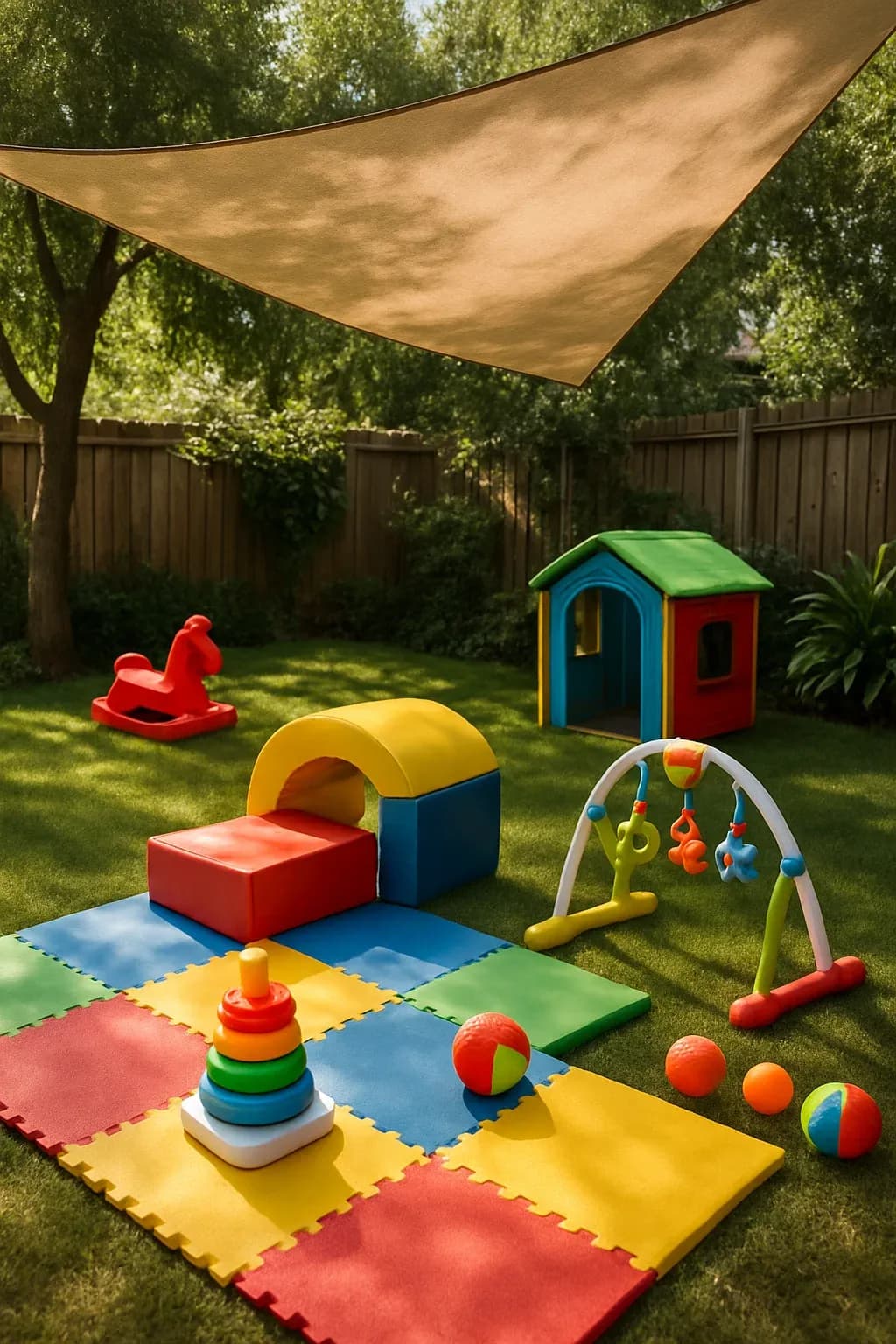
Outdoor play is essential for your baby’s development, but safety should always be a priority. Create a shaded play area in your backyard where your baby can explore without direct sun exposure. Use baby-safe outdoor toys that are free from small parts and toxic materials. Always supervise your baby during playtime, especially when near water. If you have a pool or are visiting one, ensure your baby is wearing proper swim gear and never leave them unattended. Consider enrolling in infant swim lessons to increase water safety awareness. Additionally, be mindful of insects and use baby-safe repellents to protect your child from bites. Keeping your baby’s play area clean and free of hazards will allow them to safely enjoy the outdoors while you relax knowing they are protected.

Jennifer Trimbee

Aug 19, 2025

0 reading now
What Causes Cysts and When to Worry
Cysts are fluid-filled sacs that can develop in various parts of the body, including the skin, ovaries, and internal organs. They are usually benign, meaning they are not cancerous, and are often caused by blockages in ducts, cell proliferation, or infections. Hormonal changes, genetic factors, and chronic inflammatory conditions can also contribute to cyst formation. While most cysts are harmless and may resolve on their own, some can become problematic if they grow large, cause pain, or become infected. It's important to monitor cysts and seek medical advice if they change in size, color, or sensation, or if they occur in conjunction with other symptoms.
Read more
Jennifer Trimbee
Aug 19, 2025

Disclaimer
This site offers information designed for educational purposes only. You should not rely on any information on this site as a substitute for professional medical advice, diagnosis, treatment, or as a substitute for, professional counseling care, advice, diagnosis, or treatment. If you have any concerns or questions about your health, you should always consult with a physician or other healthcare professional.


Discussion
0No comments yet
Be the first to share your thoughts on this article.