Guide to Shoulder Workouts: Building Strength and Stability
Lifestyle and Welness
Building strong and stable shoulders is essential for overall upper body strength and function. Shoulders are involved in nearly every upper body movement and play a crucial role in executing exercises for the arms, chest, and back. This guide will explore effective exercises and techniques to enhance shoulder strength and stability, focusing on both the deltoids and rotator cuff muscles. By incorporating a variety of movements and tools, such as dumbbells, resistance bands, and body weight exercises, individuals can achieve well-rounded shoulder development. The following sections will provide detailed insights into structuring a balanced shoulder workout routine, emphasizing the importance of proper form and gradual progression to prevent injuries and ensure long-term gains. Whether you are a beginner or an experienced athlete, understanding these principles will help you maximize your shoulder workouts and enhance your overall athletic performance.
Essential Shoulder Exercises
When it comes to building shoulder strength and stability, incorporating a variety of exercises is key. The shoulder joint is complex, and targeting both the deltoid muscles and the smaller stabilizing muscles, such as the rotator cuff, is crucial for balanced development. Begin with compound exercises like the overhead press and the Arnold press, which target multiple shoulder muscles and engage the core for added stability. Isolation exercises such as lateral raises and front raises can then be added to specifically strengthen the individual heads of the deltoids. It's important to include rotator cuff exercises, like external rotations with a resistance band, to ensure joint stability and prevent injuries. Gradually increase the weight and intensity of your exercises as you progress, always prioritizing form over load to maximize results and minimize the risk of injury.

Structuring Your Shoulder Workout
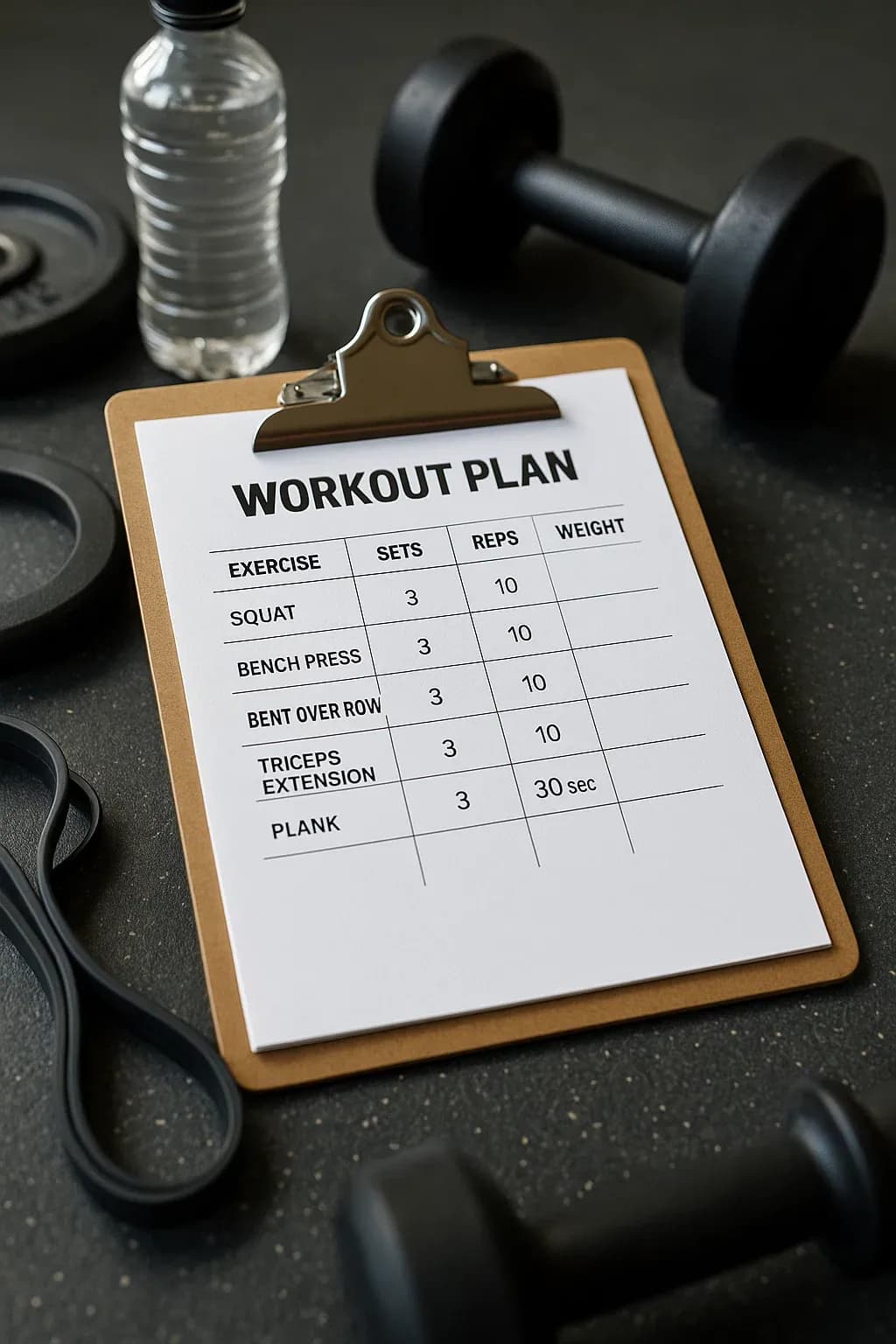
Creating an effective shoulder workout routine requires balancing intensity, volume, and recovery. Start your workout with a dynamic warm-up to activate the muscles and prepare the joints. A well-rounded routine might include three to four exercises, focusing on both compound and isolation movements. Begin with heavier compound exercises, performing 3-4 sets of 6-8 reps to build strength. Follow with lighter isolation exercises, aiming for 3 sets of 10-15 reps to enhance muscle endurance and definition. Incorporate rest days and active recovery to allow the shoulder muscles to repair and grow stronger. Consistency is key, so aim to include shoulder workouts in your routine 1-2 times a week, adjusting based on your overall training goals and recovery capacity. Listening to your body and making adjustments as needed will help you maintain progress without overtraining.
Discussion
No comments yet
Be the first to share your opinion!

Jennifer Trimbee

Aug 19, 2025

0 reading now
What Causes Cysts and When to Worry
Cysts are fluid-filled sacs that can develop in various parts of the body, including the skin, ovaries, and internal organs. They are usually benign, meaning they are not cancerous, and are often caused by blockages in ducts, cell proliferation, or infections. Hormonal changes, genetic factors, and chronic inflammatory conditions can also contribute to cyst formation. While most cysts are harmless and may resolve on their own, some can become problematic if they grow large, cause pain, or become infected. It's important to monitor cysts and seek medical advice if they change in size, color, or sensation, or if they occur in conjunction with other symptoms.
Read more
Jennifer Trimbee
Aug 19, 2025

Disclaimer
This site offers information designed for educational purposes only. You should not rely on any information on this site as a substitute for professional medical advice, diagnosis, treatment, or as a substitute for, professional counseling care, advice, diagnosis, or treatment. If you have any concerns or questions about your health, you should always consult with a physician or other healthcare professional.