The Mood Movement: Energize Your Mind Through Physical Activity
Your Health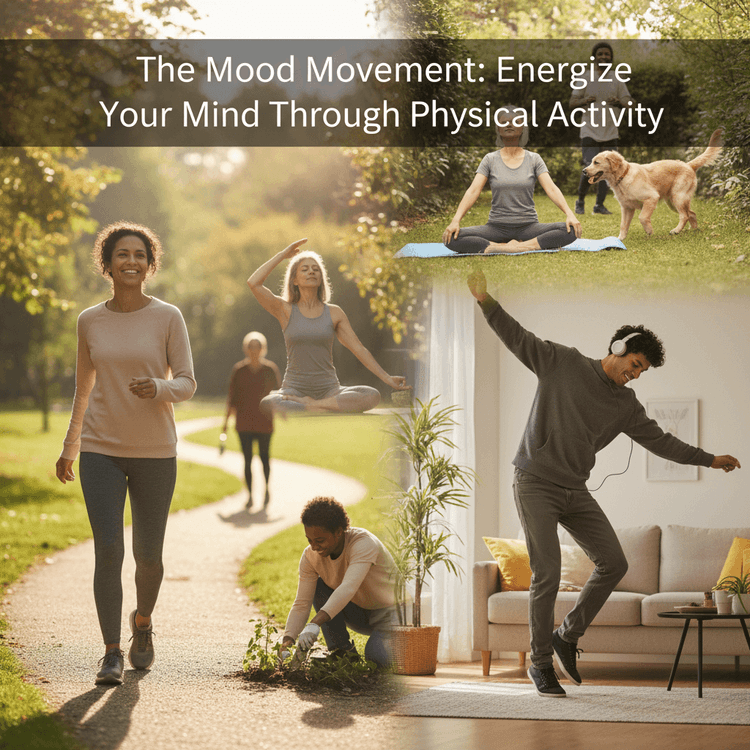
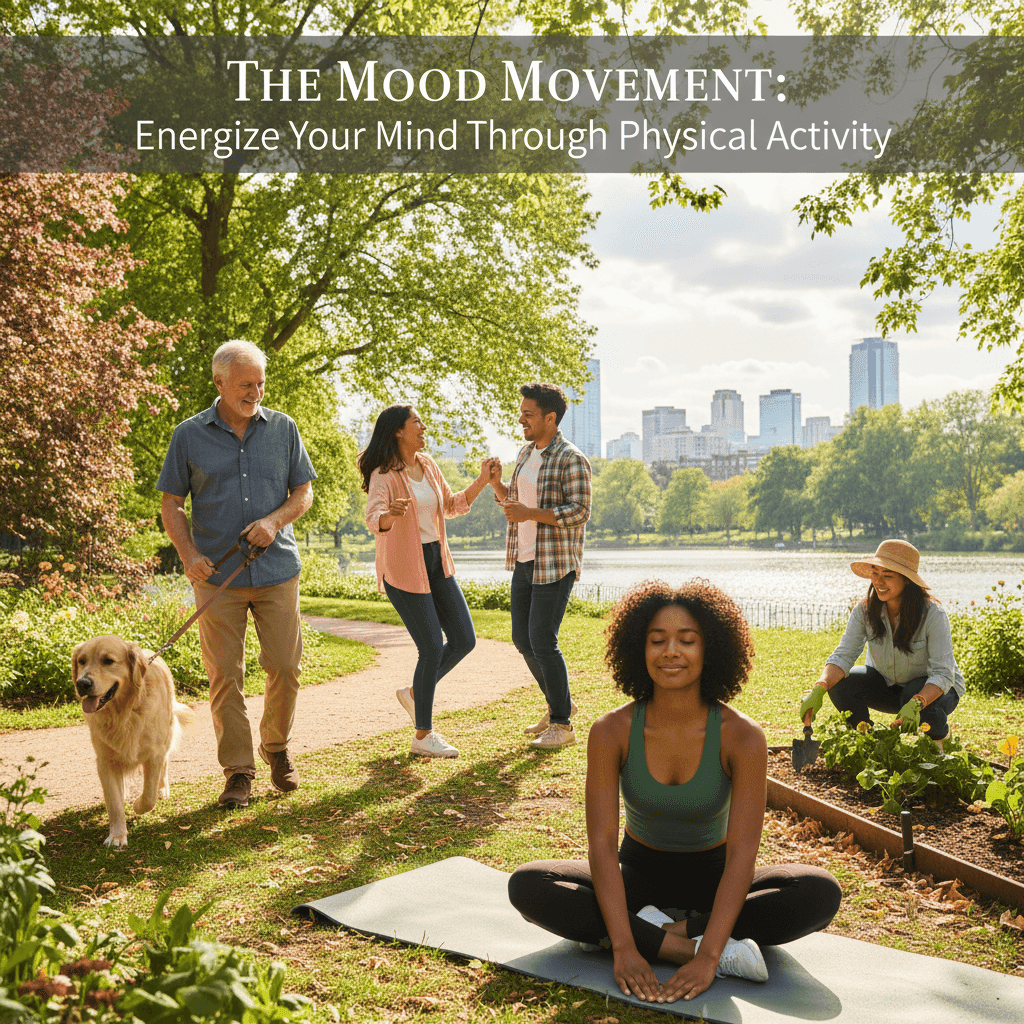
Discover the profound, often underestimated, connection between your physical activity and your emotional landscape in our latest deep dive: Movement for Mood. This essential guide unpacks the powerful science behind how even the simplest acts of physical engagement can profoundly elevate your spirits, diminish stress, and foster a greater sense of overall well-being. We go beyond the conventional gym routine, exploring a myriad of accessible and enjoyable ways to weave movement into your daily life – from a brisk morning walk that recharges your mind, to a spontaneous dance session in your living room that melts away tension, or even gentle stretching that calms an overactive mind. Are you grappling with persistent feelings of lethargy, anxiety, or simply a general lack of motivation? This post offers actionable strategies and insightful perspectives to help you break free. We delve into the neurochemical magic that happens when you move – the release of endorphins, dopamine, and serotonin, nature's own mood boosters, which work synergistically to improve your outlook and sharpen your focus. Forget the daunting pressure of intense workouts; our focus is on cultivating a gentle, sustainable relationship with movement that prioritizes joy, self-care, and mental clarity over strenuous performance. Learn how to identify and overcome common barriers to incorporating physical activity, transforming "I don't have time" or "I'm too tired" into opportunities for gentle, restorative motion. Whether you're seeking to alleviate symptoms of mild depression, reduce everyday stress, or simply boost your daily energy levels and enhance your cognitive function, "Movement for Mood" provides a compassionate roadmap. We explore varied activities like mindful walking, restorative yoga, gardening, cleaning with purpose, and even playful interaction with pets, all framed as powerful tools for emotional regulation and resilience. This isn't about achieving a certain fitness level; it's about harnessing the intrinsic power of your body to uplift your mind and nurture your soul. Embark on a journey to discover how moving your body can truly transform your emotional world, leading to a more vibrant, balanced, and joyful existence.
Movement for Mood: The Profound Link Between Body and Spirit
In an era where mental well-being is increasingly prioritized, the profound, often underestimated, connection between our physical activity and emotional landscape emerges as a cornerstone for a balanced and vibrant life. "Movement for Mood" delves into this essential relationship, revealing how even the simplest acts of physical engagement can profoundly elevate your spirits, diminish stress, and foster a greater sense of overall well-being, transcending the conventional understanding of fitness. We move beyond the intimidating gym routine, exploring a myriad of accessible and enjoyable ways to weave movement into your daily existence – from a brisk morning walk that recharges your mind, to a spontaneous dance session in your living room that melts away tension, or even gentle stretching that calms an overactive mind. Are you grappling with persistent feelings of lethargy, anxiety, or simply a general lack of motivation? This deep dive offers actionable strategies and insightful perspectives to help you break free, highlighting the remarkable neurochemical magic that happens when you move. The natural release of endorphins, dopamine, and serotonin—nature's own powerful mood boosters—works synergistically to improve your outlook, sharpen your focus, and enhance emotional regulation, offering a potent antidote to modern stressors. Forget the daunting pressure of intense workouts; our focus is on cultivating a gentle, sustainable relationship with movement that prioritizes joy, self-care, and mental clarity over strenuous performance, ultimately proving that true well-being is not about achieving a certain fitness level, but about harnessing your body's intrinsic power to uplift your mind and nurture your soul.

Beyond Exercise: Harnessing Movement for Mental & Emotional Health
It's easy to view physical activity solely through the lens of strenuous workouts, aiming for sculpted muscles or marathon finishes. However, the profound benefits of movement extend far beyond the gym, touching the very core of our mental and emotional landscape in ways we often underestimate. "Movement for Mood" invites us to reframe our understanding, recognizing that even the simplest acts of physical engagement can be powerful catalysts for profound emotional upliftment. When we move, our bodies unleash a symphony of neurochemicals—endorphins, dopamine, and serotonin—nature's own potent mood boosters, which work synergistically to alleviate stress, diminish feelings of anxiety, and foster a heightened sense of well-being. This isn't about breaking a sweat or achieving a specific fitness goal; it's about cultivating a gentle, sustainable, and joyful relationship with your body's intrinsic ability to heal and regulate your mind. Imagine a brisk morning walk not as a chore, but as a deliberate act of mental cleansing, recharging your spirit for the day ahead. Picture a spontaneous dance session in your living room as a pure expression of joy, melting away accumulated tension without a single thought of calories burned. Consider gentle stretching or mindful yoga as a compassionate pause, calming an overactive mind and grounding you in the present moment. These accessible, everyday movements are potent tools for emotional regulation, offering an antidote to lethargy and a pathway to greater resilience. We're exploring how to weave these deliberate acts of motion into the fabric of your daily life, transforming "I don't have time" into opportunities for restorative engagement. By embracing movement as a form of self-care, a method for emotional release, and a natural antidepressant, we unlock a powerful, holistic approach to nurturing our mental health. It’s about recognizing that every step, every stretch, every sway, is an opportunity to cultivate inner peace, sharpen focus, and infuse your existence with more vibrancy and balance, proving that true well-being is not just found in the absence of illness, but in the active pursuit of emotional vitality through motion. This journey encourages a shift from performance pressure to prioritizing joy, self-care, and profound mental clarity.
Discussion
No comments yet
Be the first to share your opinion!

Jennifer Trimbee

Aug 19, 2025

0 reading now
What Causes Cysts and When to Worry
Cysts are fluid-filled sacs that can develop in various parts of the body, including the skin, ovaries, and internal organs. They are usually benign, meaning they are not cancerous, and are often caused by blockages in ducts, cell proliferation, or infections. Hormonal changes, genetic factors, and chronic inflammatory conditions can also contribute to cyst formation. While most cysts are harmless and may resolve on their own, some can become problematic if they grow large, cause pain, or become infected. It's important to monitor cysts and seek medical advice if they change in size, color, or sensation, or if they occur in conjunction with other symptoms.
Read more
Jennifer Trimbee
Aug 19, 2025

Disclaimer
This site offers information designed for educational purposes only. You should not rely on any information on this site as a substitute for professional medical advice, diagnosis, treatment, or as a substitute for, professional counseling care, advice, diagnosis, or treatment. If you have any concerns or questions about your health, you should always consult with a physician or other healthcare professional.