
Simple Joys: Notice the small moments that brighten your week
Lifestyle and Welness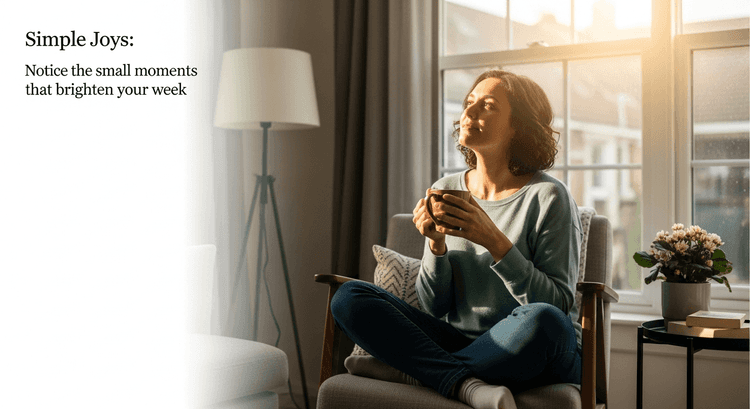
You know that feeling when the sun hits your face just right through the kitchen window, or your coffee is *exactly* the perfect temperature on a chilly morning? Or maybe it's the quiet hum of the house before everyone wakes up, a rare moment of peace. These aren't grand gestures, just fleeting sparks of delight. But in the blur of our busy lives – shuttling kids, meeting deadlines, managing endless chores – how often do we actually pause long enough to truly *notice* and appreciate them? We're often so focused on the next big task, the next milestone, that these subtle gifts pass us by. Here, we'll dive into simple, actionable ways to sharpen your awareness, so you can start spotting simple joys in your week, turning those small, often overlooked moments into genuine bright spots that uplift and recharge you.
The surprising power of everyday bright spots
You're caught in the daily grind – work, chores, errands – when suddenly, a moment breaks through: the perfect coffee, an unexpected burst of sunshine, or a child's giggle. Fleeting, yet for a second, a tiny pocket of calm opens. These aren't random pleasantries; they're 'bright spots,' and they hold surprising power. Why do these flashes matter? They offer micro-resets, interrupting daily stress. Each one is a small deposit in your emotional bank, tipping scales toward a more positive outlook. It’s not about ignoring challenges, but finding pockets of good *within* them, building quiet resilience. While mindful noticing helps general well-being, for personal health worries, a doctor's advice is always best. To harness this power, try two simple shifts. First, 'active noticing.' When a bright spot appears, consciously acknowledge it – a mental nod, a quiet 'thank you.' Second, 'savor it.' Instead of rushing past, let the feeling linger for a few extra seconds. This isn't about adding a task; it's a shift in focus that brightens your perspective. Ready to explore more ways to weave these simple joys into your week?
Weaving more tiny moments of joy into your busy week
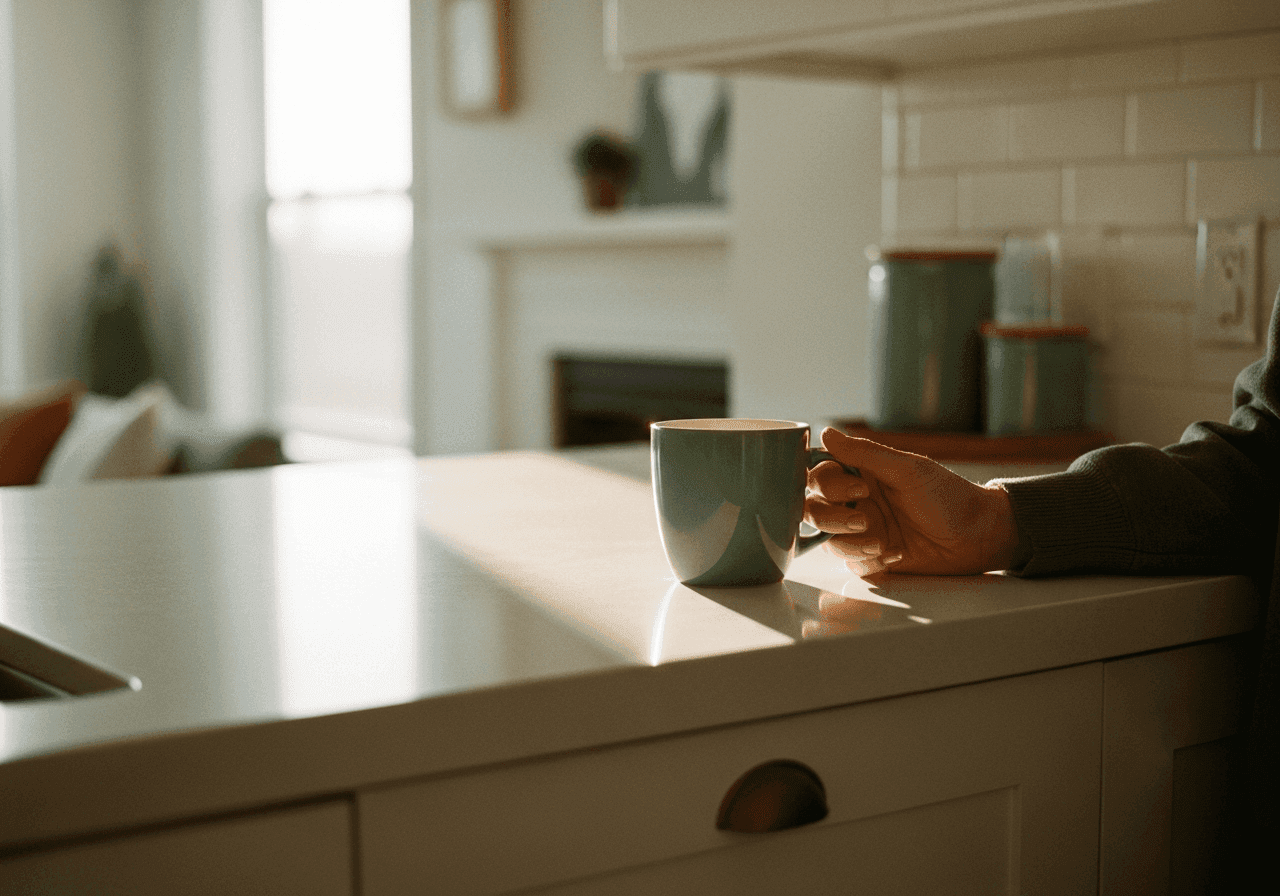
We often appreciate the idea of "bright spots" but struggle to fit them into busy schedules. Good news: no major overhaul needed. This isn't about adding tasks, but subtly *shifting focus* within your existing day. Think of one routine you usually rush. Could you make a small part of it more intentional? Take your morning coffee: instead of scrolling, truly *savor* that first warm sip – its taste and aroma. Or, doing a quick chore like taking out the bins? Pause thirty seconds to hear a favorite song or notice the light. During a work break, swap endless social media for a minute watching clouds or a quick stretch. These are micro-pauses, deliberately engaging your senses with something pleasant, even for sixty seconds. Honestly, not every moment will feel profound. Some days, you'll forget, or feel too swamped to try. That’s perfectly fine. This isn't perfection; it’s gentle persistence. Don't let it become another 'should.' If a moment doesn't quite land, just try again later. The real magic isn't in counting, but in the quiet, cumulative shift – a subtle reminder that even in your busiest weeks, joy is always there, waiting.


Jennifer Trimbee

Aug 19, 2025

0 reading now
10 General Symptoms of Personality Disorder
Personality disorders are complex mental health conditions that significantly impact how individuals perceive themselves and others, often leading to difficulties in daily functioning. These disorders typically manifest in adolescence or early adulthood and can persist for many years. Understanding the general symptoms can be crucial for seeking appropriate treatment and support. Symptoms of personality disorders often include an enduring pattern of inner experience and behavior that deviates markedly from the expectations of the individual's culture. This pattern is pervasive and inflexible, leading to distress or impairment in personal, social, and occupational situations. These symptoms are typically grouped into categories such as cognitive, emotional, interpersonal, and impulse control problems. It is important to remember that while these symptoms can guide towards a diagnosis, a qualified mental health professional should conduct a comprehensive assessment to determine the presence of a personality disorder.
Read more
Jennifer Trimbee
Disclaimer
This site offers information designed for educational purposes only. You should not rely on any information on this site as a substitute for professional medical advice, diagnosis, treatment, or as a substitute for, professional counseling care, advice, diagnosis, or treatment. If you have any concerns or questions about your health, you should always consult with a physician or other healthcare professional.



Discussion
0No comments yet
Be the first to share your thoughts on this article.